Deep-Dive: review Food Brazil and the New Dining Scene
Updated: April 9, 2026
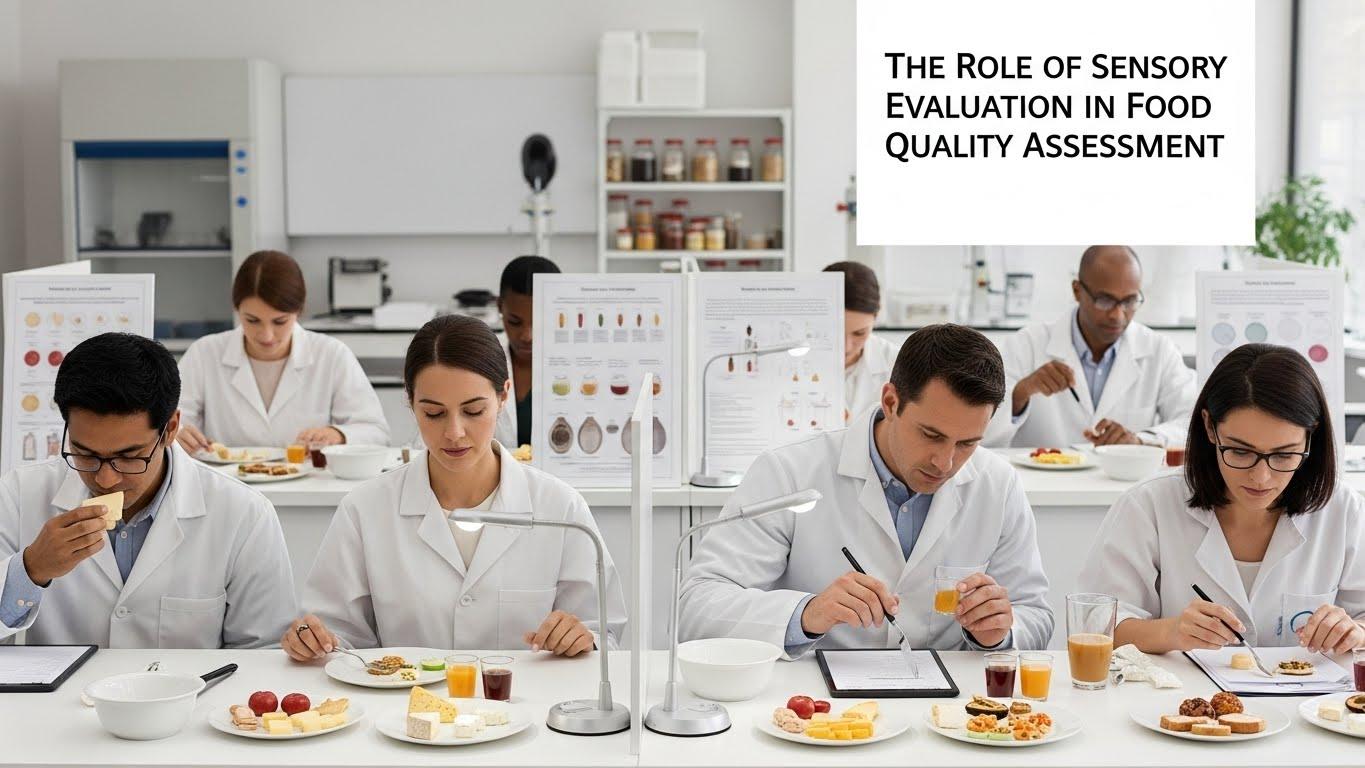
The Role of Sensory Evaluation in Food Quality Assessment
In the dynamic world of food production and consumption, ensuring high-quality food products is a multifaceted challenge. Among the various methods employed to maintain and enhance food quality, sensory evaluation stands out as a critical tool. This technique involves the use of human senses to evaluate and analyze food products, providing insights that are essential for both manufacturers and consumers. In this post, we’ll delve deep into the role of sensory evaluation in food quality assessment, exploring its significance, methodologies, and applications.
Understanding Sensory Evaluation
Sensory evaluation is a scientific discipline used to evoke, measure, analyze, and interpret reactions to characteristics of food as perceived by the senses of sight, smell, taste, touch, and hearing. It encompasses a range of methods and techniques designed to provide objective and reliable data on how food products are likely to be received by consumers.
The primary goal of sensory evaluation is to ensure that food products meet consumer expectations in terms of flavor, texture, appearance, and aroma. This evaluation process is crucial for maintaining consistency, improving product quality, and driving innovation in the food industry.
The Importance of Sensory Evaluation in Food Quality
Sensory evaluation plays an indispensable role in various stages of food product development and marketing. Here are some of the key areas where it proves to be invaluable:
- Product Development: Before a new food product hits the shelves, it undergoes rigorous sensory testing to ensure that it meets desired quality standards. Sensory evaluation helps in refining the product based on consumer preferences (Institute of Food Technologists).
- Quality Control: Regular sensory evaluation ensures that products are consistent in quality, which is crucial for maintaining brand reputation and customer loyalty. It helps identify any deviations from quality standards early in the production process.
- Market Research: Sensory evaluation provides valuable insights into consumer preferences, aiding in the development of products tailored to meet the needs and desires of target markets.

Methodologies in Sensory Evaluation
Sensory evaluation employs a variety of methods that can be broadly categorized into analytical and affective tests:
Analytical Tests
These tests are designed to provide objective data about specific attributes of a food product. They are typically conducted by trained panelists who are adept at identifying subtle differences in products. Common analytical tests include:
- Discrimination Tests: These tests determine whether there are detectable differences between products. An example is the triangle test, where panelists identify the odd sample out of three.
- Descriptive Analysis: This method involves detailed profiling of the sensory attributes of a product, such as flavor, aroma, and texture. Panelists use specific vocabulary to describe the intensity and quality of each attribute.
Affective Tests
Affective tests gauge consumer preferences and acceptance levels. Unlike analytical tests, these are conducted with untrained consumers to provide insights into how a product is likely to be received in the market. Common affective tests include:
- Hedonic Rating: Consumers rate their liking of a product on a scale, providing data on overall preference.
- Paired Comparison: Consumers compare two products and indicate which one they prefer.
Sensory Evaluation in Action: Case Studies
Several renowned food companies have successfully leveraged sensory evaluation to enhance product quality and consumer satisfaction. For instance, a leading dairy company utilized descriptive analysis to refine the flavor profile of a new yogurt line, resulting in increased consumer approval and market success. Another example is a global snack brand that used hedonic testing to adapt its product formulations to different cultural tastes, thereby expanding its international market reach (PubMed Central).
Challenges and Future Directions
While sensory evaluation is a powerful tool, it is not without its challenges. Factors such as panelist bias, environmental conditions, and sample preparation can influence results. To mitigate these issues, it is crucial to standardize testing conditions and use statistical methods to analyze data.
Looking ahead, advancements in technology are poised to further enhance sensory evaluation. For instance, the integration of artificial intelligence and machine learning can provide deeper insights into consumer preferences and predict market trends more accurately. Additionally, virtual reality is being explored as a tool to simulate sensory experiences, offering new avenues for product testing and development (Frontiers in Nutrition).
Takeaways
In an increasingly competitive food industry, sensory evaluation remains a vital component of quality assessment. By providing a nuanced understanding of consumer preferences and product attributes, it empowers food producers to create products that not only meet but exceed consumer expectations. As the industry continues to evolve, the role of sensory evaluation will undoubtedly expand, driven by technological innovations and a deeper understanding of human perception.
In summary, sensory evaluation is not just about ensuring quality; it’s about fostering a connection between consumers and the food they consume, ultimately contributing to a more satisfying and enjoyable eating experience. For further information on sensory evaluation and its applications, visit the Society of Sensory Professionals.
Implementing Sensory Evaluation in Your Business
For food businesses seeking to implement sensory evaluation, it’s important to establish a structured and systematic approach. Here are some steps to consider when integrating sensory evaluation into your food quality assessment processes:
1. Define Objectives
Clearly outline what you aim to achieve through sensory evaluation. Whether it’s improving product consistency, developing new flavors, or gaining insights into consumer preferences, having clear objectives will guide the evaluation process.
2. Select the Right Tests
Choose the sensory evaluation methods that best suit your objectives. Analytical tests are ideal for product development and quality control, while affective tests are better suited for gauging consumer preferences. The choice of tests will also depend on the resources available and the specific attributes of the food product being evaluated.
3. Train Your Panelists
Training is crucial for both analytical and affective testing. For analytical tests, panelists should be trained to identify and describe sensory attributes accurately. For affective tests, it is essential to ensure a diverse panel that represents the target consumer demographic.
4. Control Testing Conditions
Ensure that the testing environment is consistent and free from distractions. Factors such as lighting, temperature, and noise can influence sensory perceptions and should be controlled to minimize variability in results. Sample preparation and presentation should also be standardized.
5. Analyze and Interpret Data
Once data is collected, use appropriate statistical methods to analyze and interpret the results. This analysis will help you understand consumer preferences, identify areas for improvement, and make informed decisions about product development and marketing strategies.
Case Study: Sensory Evaluation and Innovation
A notable example of successful sensory evaluation is the case of a beverage company that leveraged sensory analysis to reformulate a classic product. Facing declining sales, the company conducted extensive sensory testing to identify key attributes that consumers associated with the beverage’s original appeal. The insights gained led to a reformulation that emphasized these attributes, resulting in a successful relaunch and a significant boost in sales (ResearchGate).
Ethical Considerations in Sensory Evaluation
Conducting sensory evaluation responsibly involves addressing ethical considerations. Panelists should be treated with respect, and their participation should be voluntary and informed. Data privacy must be maintained, ensuring that personal information is protected. Additionally, the results of sensory evaluations should be used constructively to enhance product quality and consumer satisfaction, rather than manipulating consumer perceptions through misleading marketing practices.
Conclusion: The Future of Sensory Evaluation
As the food industry continues to evolve, the importance of sensory evaluation in quality assessment is likely to grow. Emerging technologies and a deeper understanding of sensory science offer exciting opportunities for innovation and improvement in food products. By embracing sensory evaluation, food businesses can not only ensure the quality and consistency of their products but also foster stronger connections with consumers by meeting their evolving tastes and preferences.
Ultimately, sensory evaluation is an essential tool for navigating the complex landscape of consumer expectations and market demands. By prioritizing sensory quality, businesses can achieve greater success in an increasingly competitive industry.
Integrating Technology in Sensory Evaluation
With the rapid advancement of technology, sensory evaluation in the food industry is experiencing a transformative shift. Digital tools and innovations are enhancing the precision and efficiency of sensory testing, offering new possibilities for product development and consumer research.
1. Electronic Noses and Tongues
Electronic noses and tongues are devices designed to mimic human olfactory and gustatory systems. These technologies can detect and analyze complex flavors and aromas with high accuracy. By providing objective and consistent data, they complement human sensory panels and help identify subtle differences in food products that might be missed by human senses.
2. Virtual Reality (VR)
VR technology is being explored as a tool for sensory evaluation, allowing participants to experience food products in simulated environments. This can be particularly useful for testing products in contexts that are difficult to replicate in a traditional sensory lab. By immersing panelists in a virtual dining experience, companies can gather more realistic feedback on how products are perceived in real-world settings.
3. Data Analytics and Machine Learning
Advanced data analytics and machine learning algorithms are being used to analyze sensory data on a large scale. These technologies can identify patterns and correlations in consumer preferences, enabling more targeted and effective product development strategies. By predicting consumer trends, companies can stay ahead of the competition and innovate more effectively.
Conclusion: Embracing the Future of Sensory Evaluation
The integration of technology into sensory evaluation represents a significant advancement in the field of food quality assessment. By combining traditional sensory methods with cutting-edge innovations, the food industry can achieve a deeper understanding of consumer preferences and create products that are both high in quality and aligned with market demands.
As businesses strive for excellence in product development and consumer satisfaction, sensory evaluation will continue to play a pivotal role. By embracing both scientific rigor and technological advancements, companies can ensure that their products not only meet but exceed consumer expectations, fostering brand loyalty and driving growth in an ever-evolving marketplace.
For those interested in exploring more about the impact of technology on sensory evaluation, resources such as the Food Navigator provide in-depth analysis and insights into these emerging trends.