Whisk_d873aacc93fb29cabb5427d662a1225ddr
Updated: April 9, 2026
Reviving Ancient Food Traditions: The Role of ‘Cultura Alimentar’ in Preserving Heritage
In a world increasingly dominated by fast food and global food chains, the revival of ancient food traditions is not only a celebration of cultural heritage but also a crucial step towards sustainability and biodiversity. The term Cultura Alimentar refers to the cultural significance of food and its preparation, deeply rooted in the history and traditions of a community. By embracing Cultura Alimentar, societies can preserve their heritage, promote sustainable practices, and foster a sense of identity and belonging.
The Importance of Preserving Culinary Traditions
Culinary traditions are a vital aspect of cultural heritage, offering insights into a community’s history, values, and identity. These traditions are passed down through generations, often through oral stories and family recipes. Preserving these practices is essential for maintaining cultural diversity in an increasingly homogenized world.
One of the most significant benefits of preserving ancient food traditions is the promotion of biodiversity. Traditional cuisines often incorporate a wide range of locally sourced ingredients, which supports local agriculture and helps maintain ecological balance. For example, the use of heirloom grains and regional vegetables in traditional recipes helps preserve species that might otherwise be lost in modern agricultural practices.
To explore the impact of traditional foods on biodiversity, the Food and Agriculture Organization (FAO) provides extensive resources and research on the relationship between food systems and biodiversity.

Examples of Reviving Ancient Food Traditions
Several communities around the world are actively working to revive their ancient food traditions. In Mexico, the resurgence of traditional maize varieties has become a symbol of cultural pride and resistance against genetically modified crops. Similarly, in Italy, the Slow Food Movement is dedicated to preserving traditional Italian cuisines by promoting locally sourced ingredients and traditional cooking methods.
In India, the revival of millet-based foods has gained momentum as people recognize the grain’s nutritional benefits and climate resilience. Millets, once a staple in Indian diets, are being reintroduced as a sustainable alternative to water-intensive crops like rice and wheat.
Moreover, indigenous communities in North America are reclaiming their culinary heritage by promoting the use of traditional ingredients such as wild rice, bison, and berries, thereby strengthening their cultural identity and fostering economic independence.
Cultural Education and Transmission
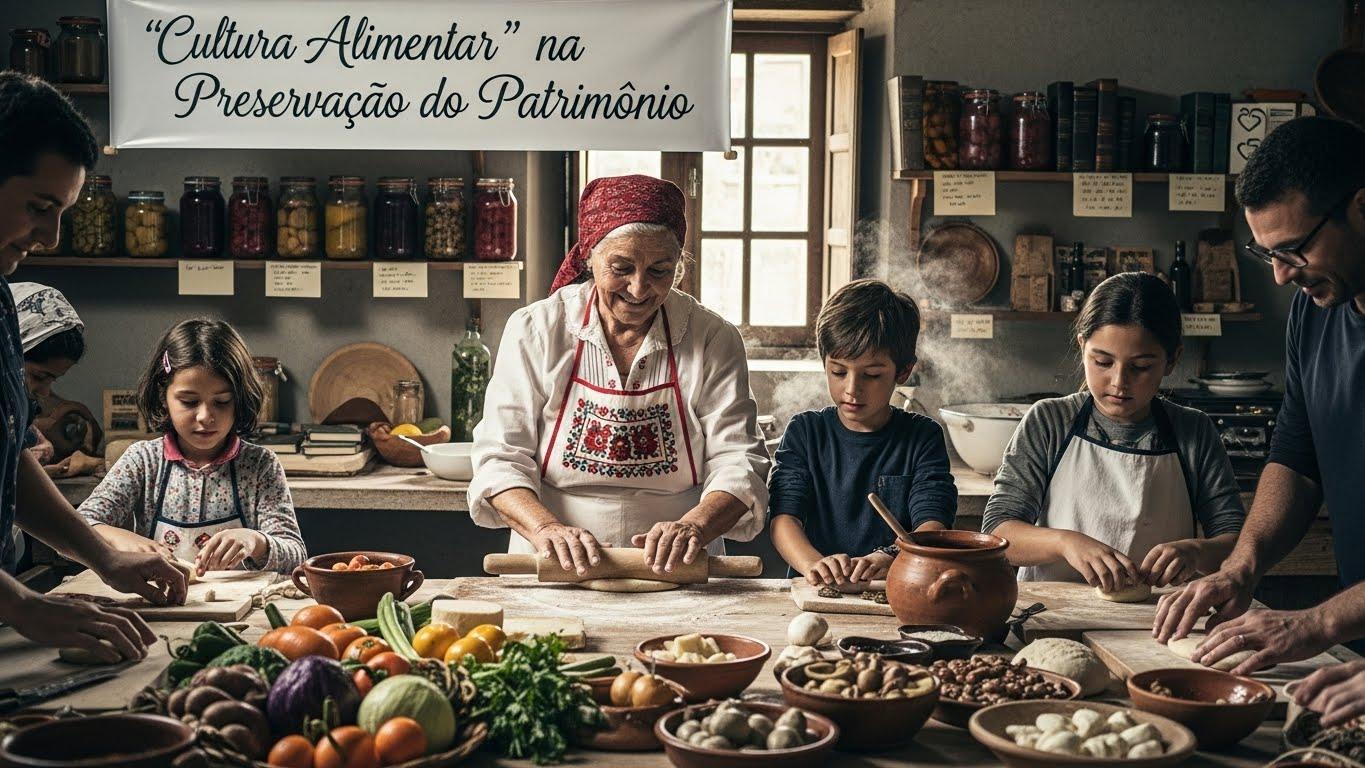
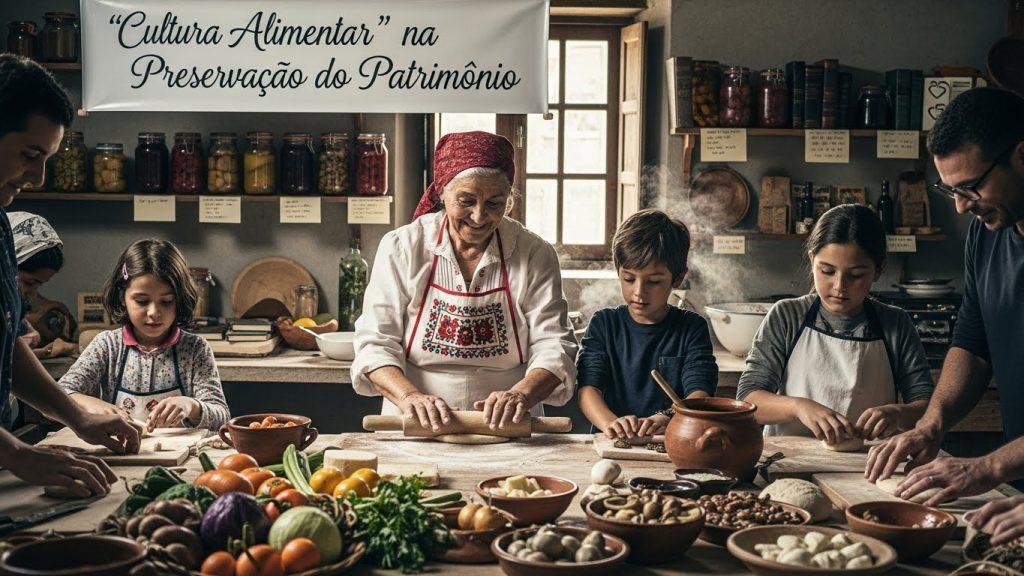
Education plays a crucial role in preserving Cultura Alimentar. By integrating traditional food knowledge into educational curricula, communities can ensure that younger generations understand and appreciate their culinary heritage. Cooking classes, workshops, and community events focused on traditional recipes and cooking techniques can engage people of all ages in the preservation process.
Organizations such as the United Nations Educational, Scientific and Cultural Organization (UNESCO) emphasize the importance of cultural education in preserving intangible cultural heritage, including traditional foods.
Furthermore, digital platforms and social media have become powerful tools for sharing and promoting traditional recipes and food practices. Online communities and influencers dedicated to cultural food heritage can reach a global audience, inspiring others to explore and preserve their own traditions.
The Role of Gastronomy in Tourism
Gastronomy has become a significant aspect of cultural tourism, with travelers seeking authentic culinary experiences that reflect a region’s heritage. This trend presents an opportunity for communities to showcase their Cultura Alimentar and promote local economies.
By offering cooking classes, food tours, and farm-to-table experiences, destinations can attract tourists interested in learning about traditional dishes and ingredients. This form of tourism not only supports local businesses but also encourages the preservation of culinary traditions by creating a market for traditional foods.
For further insights into the impact of gastronomy on tourism, the World Travel & Tourism Council provides valuable data and case studies on the subject.
Challenges to Reviving Ancient Food Traditions
Despite the benefits and growing interest in reviving ancient food traditions, several challenges persist. Globalization and urbanization have led to the loss of traditional knowledge and skills, as younger generations migrate to urban areas and adopt modern lifestyles.
Additionally, the dominance of industrial agriculture and the prevalence of processed foods have resulted in the decline of local food systems and traditional farming practices. To overcome these challenges, it is essential to support policies that protect and promote traditional food systems, encourage sustainable agriculture, and provide incentives for farmers to grow indigenous crops.
Collaborations between governments, NGOs, and local communities are crucial in addressing these challenges and ensuring the sustainability of traditional food practices.
Takeaways
Reviving ancient food traditions through the lens of Cultura Alimentar offers a pathway to preserving cultural heritage, promoting biodiversity, and supporting sustainable practices. By valuing and celebrating traditional foods, communities can maintain their unique identities and foster a sense of belonging and pride.
As individuals, we can contribute to this movement by exploring and embracing our culinary heritage, supporting local food producers, and advocating for policies that protect traditional food systems. Together, we can ensure that these invaluable traditions continue to thrive for generations to come.
For those interested in learning more about the preservation of cultural heritage, the UNESCO Intangible Cultural Heritage website offers a wealth of information and resources.
Incorporating Traditional Foods into Modern Diets
One of the most effective ways to preserve ancient food traditions is by incorporating them into modern diets. This not only keeps these practices alive but also introduces a diverse range of flavors and nutrients to contemporary meals. For instance, ancient grains like quinoa, amaranth, and spelt have gained popularity for their health benefits and versatility in modern cooking.
Chefs and home cooks alike are discovering innovative ways to blend traditional ingredients with modern culinary techniques. This fusion not only appeals to a broader audience but also respects the cultural significance of the ingredients. By promoting dishes that feature traditional foods, restaurants and food producers can play a pivotal role in sustaining these age-old practices.
Moreover, the growing interest in plant-based diets has led to a resurgence of vegetarian and vegan recipes that draw from traditional cuisines rich in plant-based ingredients. This trend aligns with the principles of Cultura Alimentar, emphasizing the importance of sustainability and environmental consciousness.
The Role of Technology in Preserving Food Traditions
Technology has become an invaluable ally in the preservation of ancient food traditions. Digital archiving allows for the documentation and sharing of traditional recipes, cooking methods, and food-related stories, ensuring they are accessible to future generations. Online platforms dedicated to cultural heritage, such as the Culinary Heritage website, offer a space for communities to share their culinary practices with a global audience.
Additionally, virtual reality and augmented reality technologies are being used to create immersive experiences that transport individuals to the kitchens and markets of different cultures. These technologies offer a unique way to engage people with the sensory aspects of traditional cooking, fostering a deeper appreciation and understanding of Cultura Alimentar.
Social media has also played a significant role in popularizing traditional foods. Platforms like Instagram and YouTube allow food enthusiasts and cultural ambassadors to showcase traditional dishes, cooking techniques, and the stories behind them, reaching a vast and diverse audience.
Community Initiatives and Global Movements
Grassroots community initiatives are at the forefront of the movement to preserve and promote ancient food traditions. Community gardens, food cooperatives, and local farmers’ markets provide spaces for people to connect with traditional foods and the people who grow them. These initiatives often focus on educating the public about the cultural significance and environmental benefits of traditional foods.
Furthermore, global movements such as the Slow Food Presidia work to protect food biodiversity and promote traditional food products. By supporting small-scale producers and advocating for food sovereignty, these movements help ensure that traditional foods remain a viable and vibrant part of the global food landscape.
Collaborative projects between indigenous communities, researchers, and policymakers are also essential in addressing the challenges facing traditional food systems. These partnerships aim to create sustainable solutions that respect cultural practices while promoting economic development and food security.
Conclusion: A Call to Action
Reviving and preserving ancient food traditions is a collective responsibility that requires the involvement of individuals, communities, and policymakers. By embracing Cultura Alimentar, we not only honor our heritage but also contribute to a more sustainable and diverse global food system.
As consumers, we can support this movement by choosing to buy from local farmers, trying traditional recipes, and advocating for the protection of cultural heritage. Engaging with cultural food experiences, whether through travel, cooking classes, or community events, can deepen our appreciation for the rich tapestry of global culinary traditions.
Ultimately, the revival of ancient food traditions is about more than just preserving recipes; it is about sustaining the cultural identities and histories of communities worldwide. By valuing and promoting Cultura Alimentar, we can ensure that these traditions continue to inspire and nourish future generations.