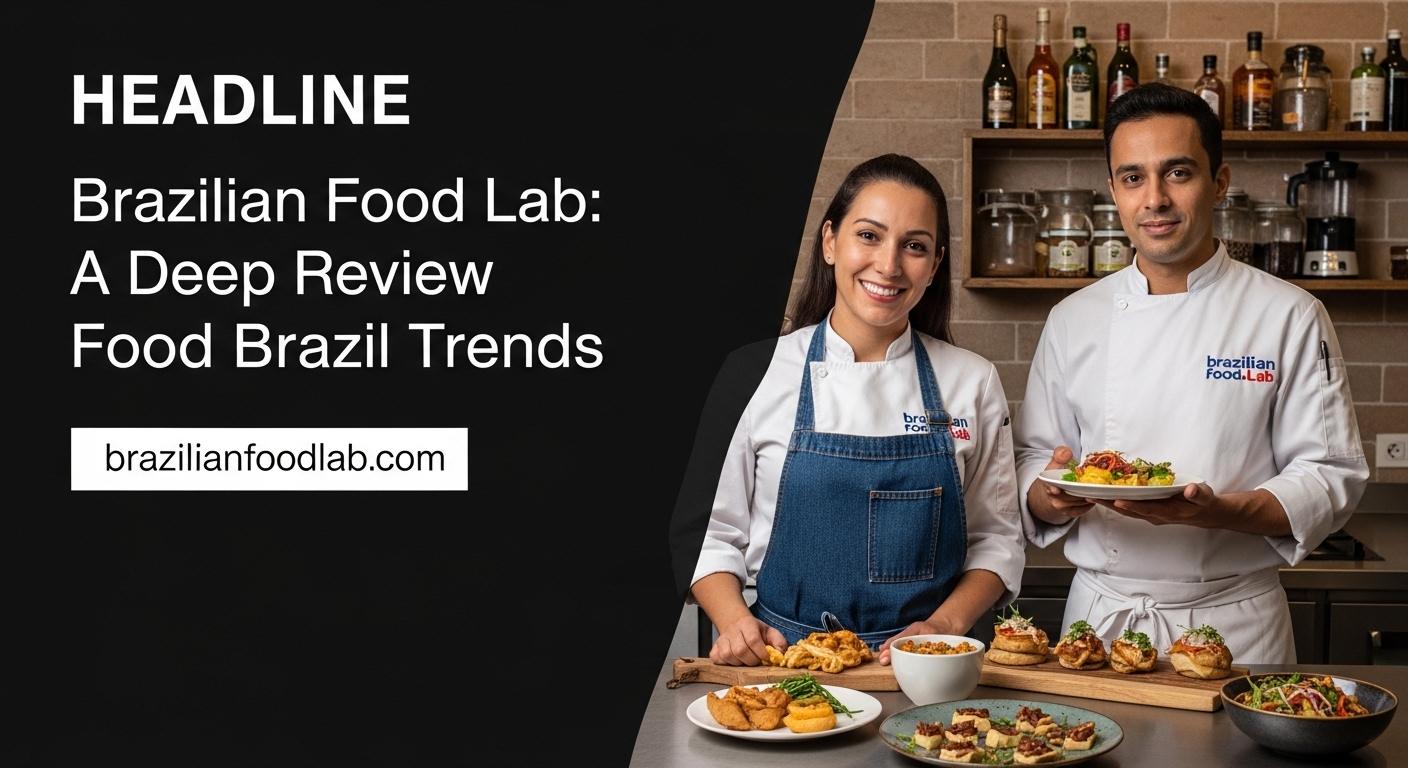
Editorial photo of Brazilian dishes including feijoada and pão de queijo on a rustic table.
Updated: April 9, 2026
Brazilian flavors have traveled far beyond churrasco and samba, and this piece offers a review Food Brazil lens to map where taste, technique, and commerce intersect in today’s market. By looking at kitchens, markets, and menus across Brazil and in the global diaspora, we can gauge not only what people eat, but why and how it is prepared, priced, and produced.
Context and Method: What a Food Lab Looks For
In a food lab, the goal is to connect sensory impressions with context, not simply to rate a dish. This section outlines the framework used here: authenticity, regional diversity, sourcing transparency, and sustainability. We examine ingredients such as cassava, dendê oil, manioc flour, and regional staples from the favelas to the fazendas. The analysis also considers labor conditions in supply chains, age of the ingredients, and the degree to which menu language communicates cultural nuance rather than marketing hype. This approach helps readers understand how much of the Brazilian palate is preserved in a dish and how much has evolved under global influences.
Three signals guide the assessment: availability and price volatility, the range of regional dishes represented on menus, and the clarity with which restaurants reveal sourcing. When a kitchen can name suppliers and show seasonal variations, it earns credibility for both home cooks and professional readers. When a dish borrows from distant cuisines without transparent adaptation, it raises questions about cultural exploitation versus respectful fusion.
Tasting Across Brazilian Tastes: Local vs Global
Brazilian cuisine is not a single fingerprint but a mosaic of regional identities. In urban centers, menus often present feijoada, moqueca, and pão de queijo alongside sandwiches and salads that nod to Brazilian street food while using imported ingredients. The tension between authenticity and adaptation is most visible in diaspora markets, where chefs recreate core flavors with local produce. This section weighs what remains faithful to the origin—such as cassava tapioca flour in pão de queijo, or dendê oil in acarajé—against what travels well, such as citrus notes in caipirinhas and the use of chili peppers to satisfy new palates. The result is a dynamic culinary conversation where tradition is not erased but rewritten in response to supply chains, labor markets, and consumer curiosity.
Flavor profiles matter, but so do texture, aroma, and ritual. A bowl of feijoada carries not just black beans and pork but a social memory of family gatherings and regional pride. When a restaurant reproduces that memory with care—clear bean texture, balanced salt, and a side of farofa—the dish becomes a bridge between home cooking and the dining room. Conversely, when the same dish is lightened to fit a wider audience or priced to chase trends, the analysis questions whether the dish has sacrificed its essence for broader appeal. The practical outcome for readers is a framework to compare menus: what is being preserved, what is being adapted, and how that balance affects value and taste for the Brazilian market.
Economic Signals: Prices, Sourcing, and Sustainability
Economic conditions shape what ends up on mainstream menus. In Brazil, inflation, exchange rates, and climate risks affect what restaurants can source and at what price. The sourcing story matters as much as the flavor: farms that practice transparent labor standards, fair wages, and resilient crop cycles contribute to more reliable supply and better long-term quality. When a restaurant discloses its suppliers or participates in cooperative models, it signals a commitment to sustainability that can resonate with both local diners and curious travelers. The broader trend is toward shorter, traceable supply chains for core ingredients like cassava, coconut oil, and regional fruits, even as imports fill gaps when certain items are scarce. The result is a more resilient restaurant ecosystem, but one that requires careful budgeting and menu planning to avoid price shocks that erode accessibility for ordinary diners.
Climate events, such as heavy rains in Minas Gerais, remind readers that food systems are vulnerable to disruptions. In the wake of such events, the supply of staple ingredients may shift, prompting menus to emphasize regional substitutes or seasonal dishes. The practical takeaway is that a robust Brazilian menu should present flexible options tied to local harvests, enabling cooks to maintain flavor integrity even when supply lines bend. For readers, this means recognizing how economic tides—local growth, export demand, and global curiosity about Brazilian cuisine—shape what is served and how affordable it remains over time.
Actionable Takeaways
- Emphasize sourcing transparency: demand clear statements about suppliers, harvest seasons, and worker conditions to build trust with readers.
- Highlight regional diversity: showcase dishes that illustrate Brazil’s varied terroirs rather than presenting a single “Brazilian” palate.
- Balance authenticity with practicality: note where dishes stay faithful to origins and where they adapt for local markets without erasing culture.
- Assess value and pricing: analyze how pricing reflects sourcing costs, ingredient scarcity, and the restaurant’s mission to make Brazilian flavors accessible.
- Encourage sustainability framing: prefer menus that reveal cooperative farming, fair wages, and reduced waste in the kitchen.