
Whisk_d9947740011cc51baf341fa2ad1fdb24dr
Updated: April 9, 2026
Food Sustainability and ‘Cultura Alimentar’: How Our Eating Habits Shape the Planet
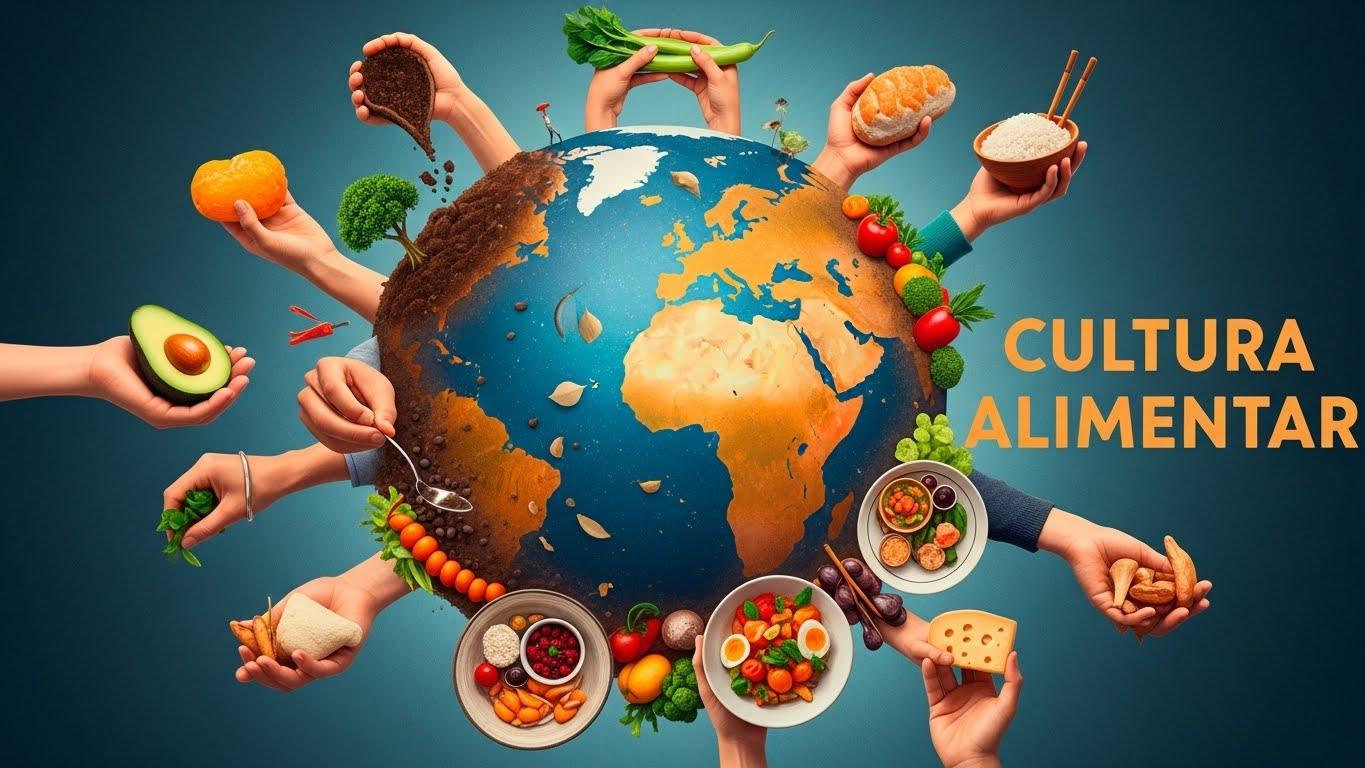
In an era where environmental concerns are at the forefront of global discussions, the concept of food sustainability has emerged as a critical topic. The way we eat not only influences our health and lifestyle but also has a profound impact on the planet. Coupled with the idea of ‘cultura alimentar’, or food culture, it becomes essential to explore how these elements intertwine to shape the future of sustainability.
Understanding ‘Cultura Alimentar’
‘Cultura alimentar’ refers to the practices, traditions, and beliefs surrounding food consumption within different societies. It encompasses everything from how food is prepared and consumed to the social norms and rituals associated with eating. Globally, food culture is diverse and deeply rooted in history, geography, and societal values.
For instance, in Mediterranean countries, the diet is heavily plant-based, focusing on fresh vegetables, fruits, legumes, nuts, and olive oil. This approach is not only part of their cultural heritage but is also recognized for its health benefits and sustainability. By contrast, many Western countries have diets high in processed foods and red meat, which are often linked to higher environmental impacts. Understanding these cultural differences is crucial when discussing food sustainability.
The Environmental Impact of Our Diets
The food system is a significant contributor to environmental degradation. Agriculture alone accounts for about 25% of global greenhouse gas emissions. The production of meat and dairy, in particular, is resource-intensive, requiring large amounts of water and land. For example, producing one kilogram of beef can emit as much as 60 kg of CO2 equivalents, while also using over 15,000 liters of water.
Moreover, food transportation, packaging, and waste contribute further to the environmental footprint. Food waste is a pressing issue, with approximately one-third of all food produced globally going to waste. This not only squanders resources used in production but also leads to methane emissions as organic waste decomposes in landfills.
The Role of Diet in Food Sustainability

Transitioning to more sustainable diets is a powerful tool in combating climate change and environmental degradation. Plant-based diets, which include a variety of fruits, vegetables, whole grains, and legumes, have been shown to reduce environmental impact significantly. They require fewer resources and result in lower emissions compared to diets rich in animal products.
Incorporating sustainable seafood is another aspect of making dietary choices that support the environment. Organizations like the Marine Stewardship Council provide guidelines for sourcing seafood that is harvested sustainably, helping consumers make informed decisions.
Adopting Sustainable Practices
Beyond dietary choices, several practices can help promote food sustainability. Supporting local farmers and markets reduces the carbon footprint associated with long-distance food transportation. It also encourages biodiversity and helps maintain local ecosystems.
Growing your own food, even on a small scale, can contribute to sustainability. Urban gardening and community-supported agriculture (CSA) programs have gained popularity, offering fresh, seasonal produce while minimizing the environmental impact.
Food waste reduction is another critical area. Simple actions, such as planning meals, storing food correctly, and utilizing leftovers, can significantly reduce the amount of food that ends up in landfills. Innovative solutions, like composting, transform organic waste into valuable resources for soil enrichment.
The Intersection of ‘Cultura Alimentar‘ and Sustainability
Integrating sustainable practices with ‘cultura alimentar’ can lead to a more holistic approach to food consumption. Traditional diets often have elements of sustainability embedded within them. For example, many indigenous cultures have long practiced sustainable farming techniques that align with their cultural values and respect for nature.
Educating communities about the benefits of sustainable diets and practices is essential. Initiatives such as the EAT-Lancet Commission work towards developing global guidelines for healthy and sustainable food systems, aiming to bridge the gap between cultural heritage and modern sustainability goals.
Challenges and Opportunities
While the shift towards sustainable food systems presents numerous opportunities, it is not without challenges. Economic factors, accessibility, and cultural preferences can hinder the adoption of sustainable diets. For instance, plant-based foods may be perceived as less desirable in some cultures, or access to sustainable options may be limited in certain regions.
However, there are significant opportunities for innovation and collaboration. Technology plays a crucial role in advancing sustainable agriculture, with developments in precision farming, vertical agriculture, and plant-based alternatives. Initiatives like the United Nations’ Sustainable Development Goals provide a framework for collective action towards sustainable consumption and production.
Takeaways
The intersection of food sustainability and ‘cultura alimentar’ offers a unique perspective on how our eating habits shape the planet. By embracing sustainable practices and respecting cultural heritage, we can contribute to a more sustainable future. Individuals, communities, and policymakers all have roles to play in fostering a food system that is equitable, resilient, and environmentally friendly.
As awareness grows and more people commit to sustainable living, the potential for positive change is immense. By making informed choices about what we eat and how it is produced, we can help ensure a healthy planet for future generations.
Empowering Consumers Through Education
Education is a pivotal factor in promoting food sustainability. By equipping consumers with the knowledge to make informed decisions, we empower them to choose diets that are both healthful and environmentally friendly. Nutrition education programs can play a significant role in this regard, emphasizing the benefits of plant-based diets and local, seasonal foods.
Moreover, educational campaigns can raise awareness about the environmental impact of food waste and the importance of sustainable food sourcing. Collaborations between schools, local governments, and organizations can help integrate sustainability into the everyday learning environment, ensuring that the next generation values and practices sustainable eating habits.
The Role of Policy and Governance
Governments and policymakers have a crucial role in shaping food systems that are sustainable, equitable, and resilient. Policies that promote sustainable agriculture, reduce food waste, and ensure fair trade practices are essential components of a sustainable future. Governments can incentivize sustainable practices through subsidies for organic farming, support for local food networks, and investment in sustainable food technologies.
Furthermore, regulations that limit greenhouse gas emissions and protect natural resources are critical. Urban planning policies that incorporate green spaces, community gardens, and farmers’ markets can enhance local food systems and reduce reliance on imported goods. International cooperation is also vital, as food sustainability is a global challenge requiring collective action and shared solutions.
Innovations in Sustainable Food Systems
Innovation is at the heart of transforming food systems towards sustainability. Advances in agricultural technology, such as precision farming and vertical agriculture, offer new ways to produce food efficiently and sustainably. These technologies minimize resource use, reduce waste, and enhance crop yields, contributing to a more resilient food system.
Plant-based and lab-grown alternatives are gaining traction as viable solutions to the environmental impact of traditional animal agriculture. Companies are developing plant-based proteins and cellular agriculture products that mimic the taste and texture of meat without the associated environmental costs. Organizations like the Good Food Institute are at the forefront of promoting these innovations, helping to accelerate their adoption and acceptance.
Community Involvement and Grassroots Movements
Community engagement is a powerful driver of change in food sustainability. Grassroots movements and local initiatives can galvanize communities to adopt sustainable practices and advocate for policy changes. Community-supported agriculture (CSA) initiatives, food cooperatives, and urban gardening projects are examples of how local action can lead to meaningful impact.
These movements not only promote sustainability but also foster community resilience and social cohesion. By connecting people directly with their food sources, they encourage a deeper appreciation for the food they consume and the ecosystems that support it.
Conclusion: A Call to Action
As we navigate the complexities of food sustainability and ‘cultura alimentar’, it is evident that our eating habits have far-reaching implications for the planet. By embracing sustainable practices, respecting cultural diversity, and fostering innovation, we can create a food system that supports both people and the environment.
It is a collective responsibility that requires action from individuals, communities, businesses, and governments. By making conscious choices, advocating for sustainable policies, and supporting innovative solutions, we can pave the way for a more sustainable future. Let us take this opportunity to redefine our relationship with food and work towards a healthier planet for generations to come.
Building a Resilient Food Future
Resilience in food systems is essential for adapting to the challenges posed by climate change, population growth, and resource scarcity. Building resilience involves enhancing the capacity of food systems to withstand and recover from disruptions while maintaining the ability to provide sufficient, nutritious, and safe food.
One approach to building resilience is through diversification. Diversifying crops, food sources, and agricultural practices can reduce dependency on single crops, which are vulnerable to climate impacts and market fluctuations. Agroecology, which integrates ecological principles into farming, promotes biodiversity and resilience. By using techniques like crop rotation, polyculture, and agroforestry, farmers can create more robust and adaptable systems.
Integrating Technology and Tradition
While technological advancements offer new solutions for sustainable food production, it is equally important to integrate traditional knowledge and practices. Many indigenous and local communities have long-standing relationships with their environments, possessing valuable insights into sustainable land management and resource use.
Blending modern technology with traditional practices can create innovative approaches to sustainability. For example, precision agriculture tools can be used alongside traditional water conservation techniques to optimize irrigation and reduce waste. This synergy between technology and tradition can enhance the sustainability and resilience of food systems.
Promoting Equitable Access to Food
Sustainability is not solely about environmental stewardship; it also encompasses social equity and justice. Ensuring equitable access to nutritious food is a fundamental aspect of a sustainable food system. Food insecurity remains a pressing issue, affecting millions worldwide and exacerbated by factors like poverty, conflict, and climate change.
Efforts to promote food equity include supporting fair trade practices, improving food distribution systems, and addressing systemic inequalities that limit access to resources. Organizations such as the Food and Agriculture Organization work towards achieving food security for all, emphasizing the need for comprehensive strategies that address both production and distribution.
Encouraging Collaborative Efforts
Collaboration is key to advancing food sustainability on a global scale. Partnerships between governments, private sectors, NGOs, and civil society can drive impactful change. Collaborative efforts can foster innovation, share resources, and amplify the reach and effectiveness of sustainability initiatives.
Global platforms and networks, such as the World Wildlife Fund’s food initiatives, facilitate knowledge exchange and cooperation among stakeholders. By working together, these entities can identify best practices, develop shared goals, and coordinate efforts to address the complex challenges of food sustainability.
A Vision for the Future
Envisioning a sustainable food future involves reimagining how food is produced, consumed, and valued. It requires a shift towards systems that prioritize health, equity, and environmental well-being. This vision includes thriving ecosystems, empowered communities, and a global commitment to sustainability.
By fostering a culture of sustainability and embracing diverse food cultures, we can transform our food systems into ones that nourish people and the planet. It is a journey that calls for innovation, resilience, and solidarity. Together, we can create a future where food sustainability is not just a goal but a reality, ensuring a healthy, balanced, and vibrant world for all.