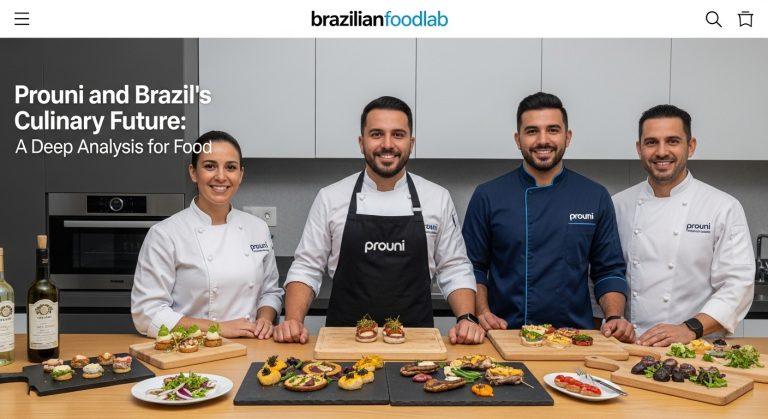
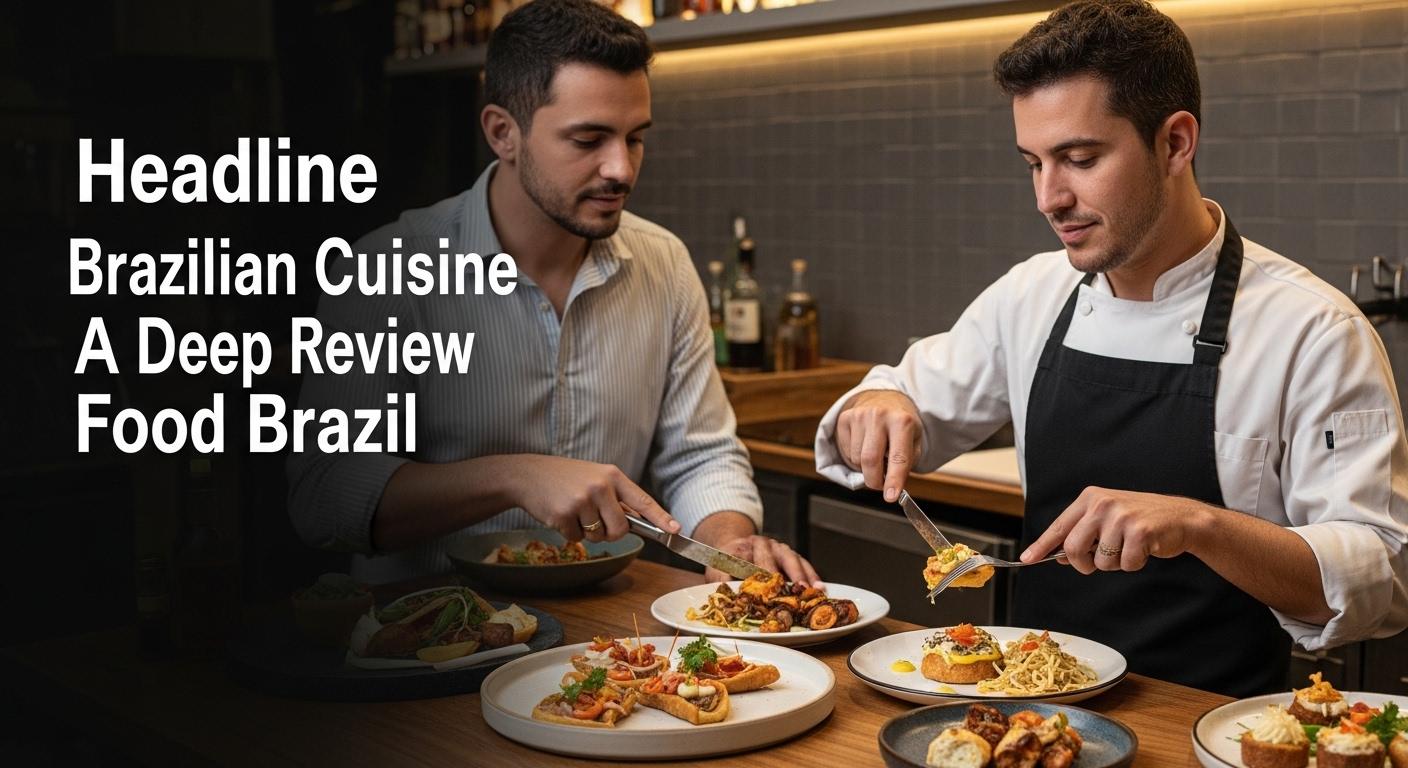
Chef plating Brazilian dish in a vibrant kitchen.
Updated: April 9, 2026
This article offers a concise, data-informed look at a review Food Brazil, analyzing how Brazilian flavors travel from markets to tables and what a discerning palate should expect from modern Brazilian dining. The scope goes beyond single dishes to the networks of farmers, cooks, and restaurateurs who shape taste, texture, and tempo in contemporary Brazilian food culture.
Global footprints and evolving palates
Brazilian cuisine today spans cities and continents, migrating with migrants, chefs, and curious eaters. The result is a dining landscape where feijoada sits beside contemporary ceviche-inspired riffs, and a widening range of tropical fruits, cacao, and cassava flour finds new life in modern recipes. In this context, a genuine Brazilian dining experience requires examining not only the recipes on the plate but the journey those ingredients take from field to fork, including supply chains, certification, and cultural memory. This framework helps separate trend from tradition and shows how a “review Food Brazil” must account for the practical realities that underpin taste.
As coverage of Brazilian eateries abroad suggests, iconic drinks like the caipirinha can become symbolic ambassadors, translating a place into a shared experience. This is more than tourism; it is a measurable shift in how flavors travel and how diners judge authenticity, value, and technique in a restaurant setting. The crossroads between travel, migration, and cuisine yields a more resilient and adaptable Brazilian food narrative that readers in Brazil can apply at home and in local markets.
Regional identity and the urban palate
Within Brazil, regional identities anchor flavors that persist across generations. Minas Gerais, with its pão de queijo, queijo minas, and classic feijão tropeiro, continues to influence home cooking and casual dining, even as new chefs reinterpret traditional techniques for urban markets. The urban palate is increasingly adventurous, testing smoky chouriço, farofa textures, and brigadeiro-inspired desserts in savory contexts, while still leaning on the comforting base of beans, cassava flour, cornmeal, and greens. This balancing act—between nostalgia and novelty—defines how a modern Brazilian menu is built.
External events, including climate-related disruptions to harvests, ripple through menus, reminding readers that what is plated is linked to weather, policy, and transport. A robust review Food Brazil, therefore, must map these causal links if it is to offer practical guidance to readers who want reliable, affordable Brazilian flavors in daily life. The result is a more resilient plan for sourcing, budgeting, and pairing that respects both tradition and the realities of contemporary supply chains.
Practical tasting notes for home cooks and diners
For home cooks seeking to evoke Brazilian flavors, start with a foundation of staple ingredients: black beans, cassava flour, manioc, cornmeal, and fresh herbs. A meal can unfold in rounds: a bright starter featuring pão de queijo and a vegetable-forward dish; a hearty main such as a simplified feijoada or bean-based stew; and a dessert that balances citrus and chocolate. Pairings can draw from tradition while adapting to kitchen realities: a lime-forward caipirinha-inspired beverage or lime-infused water, garlicky greens alongside roasted meats, and textured sides like farofa to add crunch without overwhelming the plate.
In tasting terms, seek balance: fat from pork or olive oil against acidity from lime and tomato, with a soft sweetness from milky cheeses. Texture matters as much as taste, so include crunchy toppings, creamy beans, and crisp fried elements to recreate the sensory richness of Brazilian dining even in a home kitchen. A thoughtful approach to seasoning—layering salt, citrus, and herbs—helps replicate the complexity that makes Brazilian dishes memorable without relying on a single technique.
Policy, producers, and the path forward
Brazilian food trends increasingly reflect producers who prioritize sustainable sourcing, seasonal produce, and fair labor practices. For readers and restaurateurs, pricing strategies that reflect the value chain can be both ethical and economically sound, enabling more diners to access high-quality Brazilian ingredients. The path forward invites collaboration among farmers, small processors, and chefs to cultivate authenticity without sacrificing scalability or affordability. A thoughtful review Food Brazil measures not only taste but the health, labor, and environmental footing of the supply lines behind each dish.
More broadly, the Brazilian culinary scene benefits when local markets remain vibrant, regional specialties are celebrated, and education clarifies ingredients like feijão, farinha, and queijo minas as living traditions rather than mere flavors. This practical framework supports the cuisine and the communities that nurture it, ensuring that Brazilian taste continues to evolve in a way that is inclusive, sustainable, and delicious.
Actionable Takeaways
- Center regional Brazilian staples (beans, cassava, cornmeal, queijo) in home menus to build authentic flavor foundations.
- Pair traditional dishes with modern interpretations that respect technique while accommodating available ingredients.
- Source ingredients from local producers and fair-trade networks to support sustainable Brazilian cuisine.
- Learn basic Brazilian flavors and methods (feijoada basics, pão de queijo dough, farofa texture) to empower everyday cooking.
- Spot-check menus for authenticity cues: balanced seasoning, proper texture, and clear origin stories in dish descriptions.
Source Context
Background insights drawn from coverage of Brazilian dining abroad and regional cuisine, including: