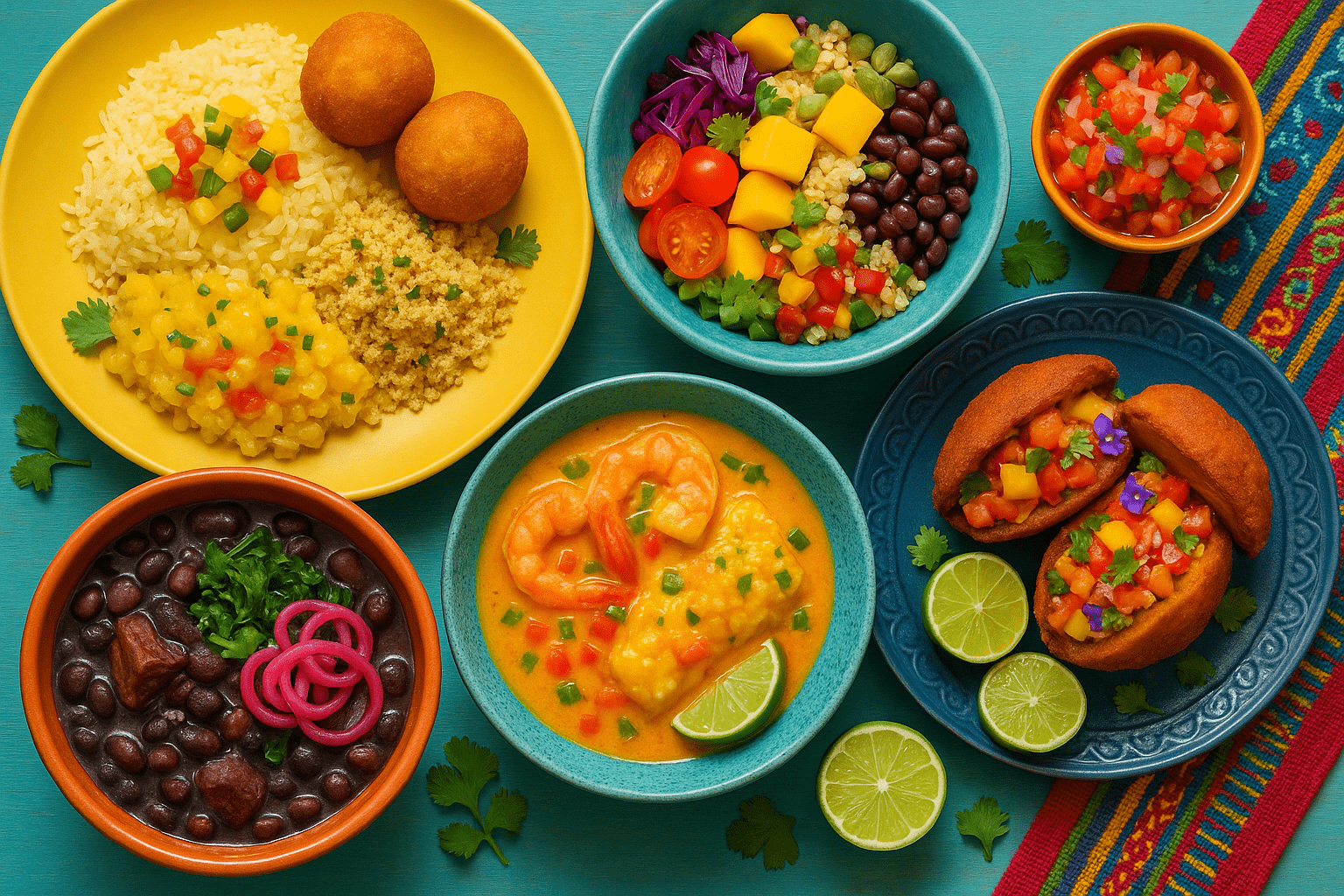
Traditional Brazilian food with modern presentations and ingredients.
Updated: April 9, 2026
For Brazil-focused readers at brazilianfoodlab.com, this review Food Brazil aims to map how contemporary Brazilian dining translates tradition into modern practice, from menus designed for shareable experiences to sourcing choices that reflect regional diversity and sustainability pressures. In urban centers across Brazil and in diaspora hubs, restaurants face a set of shifting expectations: authenticity that remains legible to newcomers, price points that justify craft, and operational realities that can make or break a concept. This piece looks beyond headlines to connect kitchen technique, supplier networks, and customer behavior, offering a practical framework for judging a restaurant not merely by flavor, but by consistency, provenance, and long-term value.
Context and Stakes for Brazilian Dining Today
Brazilian dining today stands at a critical junction where tradition is both preserved and reinterpreted for broader audiences. Cities such as São Paulo, Rio de Janeiro, and Brasília host a spectrum of venues—from street-food-inspired open kitchens to polished, tasting-menu concepts—that challenge diners to reconcile nostalgia with novelty. The rise of younger cooks and immigrant influences has expanded ingredient repertoires, yet the backbone remains rooted in legumes, tubers, and regional seafood and meats. This tension creates a visible divide between menus that promise authenticity through familiar textures and flavors and those that push boundaries with technique, fermentation, and cross-cultural pairings.
From a supply-chain perspective, the Brazilian pantry has shown resilience but also vulnerability. Local farmers and cooperatives offer a reliable baseline for staples such as cassava, black beans, and manioc flour, while the seasonal bounty of tropical produce provides opportunity for vibrant, ever-changing menus. The challenge, however, is aligning availability with proved recipes and consistent quality across multiple service formats—retail, casual dining, and fine dining—without eroding the sense of place that makes Brazilian dishes distinctive.
On the consumer side, diners increasingly evaluate value through a triptych of flavor, provenance, and experience. People want dishes that feel honest about their origins, yet they expect modern execution in plating, service pace, and ambience. That combination demands precise kitchen discipline and a clear narrative in the dining room, so guests can connect a dish’s story with its price, portion, and the overall dining arc.
Balancing Heritage and Modernity: Menu Design and Sourcing
Menu design emerges as the most visible line of conversation for a Brazilian restaurant aiming to balance heritage with modernity. A successful approach often starts with core signatures—feijoada, moqueca, vatapá, or a deft pão de queijo—recast as anchor dishes that communicate place and memory. Beyond anchors, clever substitutions or additions—such as using native peppers for heat, or incorporating regional seafood from nearby estuaries—signal a commitment to place without sacrificing technique. This is where a chef’s sourcing philosophy becomes as important as their culinary technique: transparency about suppliers, seasonality, and the rationale for ingredient choices builds trust with both local diners and visitors who crave authenticity.
Strategic sourcing matters as much as the dish itself. Restaurants that establish direct relationships with farmers and cooperatives can negotiate better quality and price stability, while also telling a credible story to guests about how food is grown or caught. In practice, this may mean a rotating set of regional specials that leverage what’s freshest in a given month, paired with a stable core menu that guarantees a baseline of familiarity. The most successful examples entwine storytelling with technique—fermentation programs that elevate humble roots, or coastal fish preparations that reflect the currents along Brazil’s expansive coastline—so the dish feels both earned and educational to the diner.
From a design perspective, the plate is a map of a concept. A thoughtfully arranged prato coletivo (shared plates) can showcase regional diversity, enabling diners to sample multiple textures and flavors within one meal. The challenge is to preserve balance: dishes should be accessible in flavor while adventurous in concept, avoiding the trap of only catering to either purists or trend-seekers. When well-executed, a menu communicates a philosophy: the kitchen cares about origin, technique, and the economics of a sustainable operation, all at once.
Experience, Service, and Value: What Guests Notice
Service and ambience are as essential as the food itself in shaping a diner’s perception of value. Brazilian dining rooms—from casual bistros to contemporary dining rooms—often succeed when staff communicate the story behind a dish succinctly and with warmth. The pacing of service matters: a thoughtful intermission between courses, or an appropriately paced sequence of tasting plates, can transform a meal into a narrative rather than a series of separate bites. Diners increasingly judge value by a combination of portion size, pricing transparency, and the perceived care that goes into each course. A well-structured tasting menu, for example, can deliver a sense of progression and discovery that mirrors a chef’s career arc, while a casual lunch may reward quick, generously portioned plates with a similarly generous price-to-satisfaction ratio.
Visual and sensory cues—colorful garnishes, the aroma of roasted garlic, a crackling crust on a pão de queijo—frame expectations before the first bite. In Brazil’s urban dining scenes, drivers of hospitality include language of service (whether staff engage in storytelling, or simply guide guests through a menu) and the rhythm of the room. A restaurant that invites conversation about its ingredients, while maintaining comfortable efficiency, tends to earn repeat visits from locals who value both the taste and the trust they feel with the operation.
Value, then, is more than price. It’s a function of contextual cues—the provenance narrative, the consistency of the kitchen, and the ways in which a dish confirms a diner’s sense of place. When these elements align, guests leave with a coherent impression: the restaurant respects its roots, adapts to contemporary dining norms, and delivers a reliable, memorable experience that can justify premium pricing when appropriate.
Policy, Culture, and Sustainability: Navigating the Big Picture
Beyond the plate, policy and culture shape a restaurant’s ability to operate and sustain momentum. Labor regulations, health and safety standards, and regulatory compliance influence everything from staffing structures to the consistency of service. In addition, sustainability concerns—ranging from packaging and waste reduction to responsible sourcing and energy use—reflect evolving expectations among Brazilian diners who increasingly view dining as part of a broader social contract. Restaurants that invest in waste minimization, seasonal menus anchored in regional farmers’ markets, and transparent labor practices tend to cultivate a loyal base that connects ethics with appetite.
Economic pressures also factor into day-to-day decisions. Menu pricing must balance real costs—ingredient scarcity, wage levels, and rent in crowded urban cores—with the aspirational nature of Brazilian cuisine. Not every concept can maintain a rigorous fine-dining model, but even casual venues can adopt pricing strategies that reflect value, such as clearly defined portions, modular sharing formats, and flexible formats for different times of day. In this light, the best operators treat dining as a sustained relationship with guests, suppliers, and the community, rather than a single transactional moment.
Actionable Takeaways
- Invest in transparent sourcing: establish direct relationships with local farmers and regional cooperatives, and communicate this clearly on menus.
- Design menus for storytelling: anchor with signature dishes, add regional specialties, and use visuals to connect origin to plate.
- Prioritize consistent service pacing: calibrate course timing and staff guidance to create a cohesive meal experience.
- Balance authenticity with accessibility: maintain rooted flavors while allowing modern techniques and presentation to shine.
- Embed sustainability into operations: reduce waste, optimize packaging, and publish a simple sustainability report for guests.
- Clarify value through pricing and portions: ensure portions and prices align with the dining format, whether casual or tasting-focused.
Source Context
Further context and related perspectives from broad coverage of Brazilian dining trends can be useful for readers seeking a wider lens: