Who Food Brazil: A deep look at Brazil’s evolving culinary media
Updated: April 9, 2026
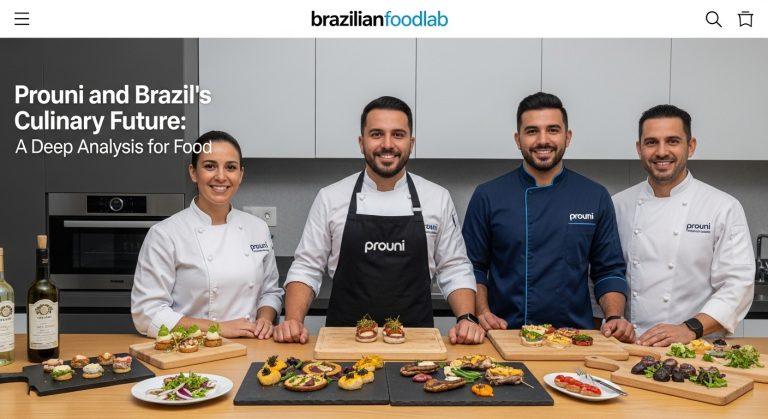
In Brazil’s evolving culinary landscape, the idea of elegant Food Brazil has moved from theory to practice, as restaurants elevate sourcing, plating, and service to create dining as an experience rather than a simple meal. This analysis explores the forces shaping that shift—global influences, supply-chain choices, and media framing—and what they mean for chefs, diners, and policymakers as Brazilian food culture negotiates international markets. By situating practical implications alongside contextual trends, the piece aims to help readers understand not just what is happening, but why it matters for local ecosystems and cross-border salons of taste.
Globalization, aesthetics, and the Brazilian palate
Brazilian kitchens increasingly absorb techniques and presentation protocols from abroad while preserving regional ingredients and sensibilities. The emergence of cross-cultural influences—such as Japanese-inspired precision in plating and tempering, alongside traditional Brazilian staples like manioc, coastal seafood, and Amazonian ingredients—illustrates a deliberate crafting of identity through elegance. A notable example in the broader conversation is the recent attention around an elegant Japanese restaurant from Brazil opening in Coral Gables, which underscores how Brazilian culinary talent is being packaged for and perceived by global audiences. For Brazilian diners and restaurateurs, this signals not just a trend in technique, but a shift in how a dish travels from farm to table to screen, shaping expectations about balance, texture, and storytelling on the plate.
From kitchen to market: the economics of elegant plating
Elegant presentation hinges on supply-chain discipline, ingredient provenance, and investment in skilled labor. Premium sourcing—from traceable seafood and responsibly grown produce to artisanal pantry items—adds cost but can drive value through perceived quality and differentiating narratives. Restaurants that emphasize meticulous plating, controlled portioning, and consistent service can command higher price points, yet they must manage the tension between luxury branding and accessibility for a broad Brazilian audience. In practical terms, this means operators are evaluating supplier relationships, waste reduction strategies, and training regimes that elevate not just the dish, but the entire dining experience, including timing, ambiance, and hospitality. The result is a more resilient business model where elegance aligns with sustainability and predictable outcomes for guests and staff alike.
Media framing and consumer expectations
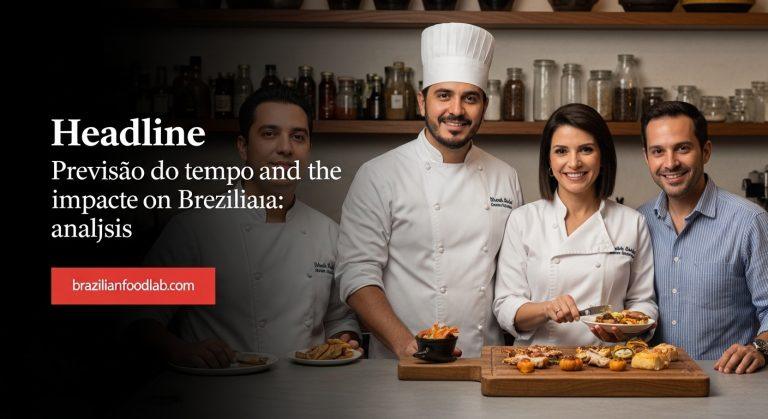
Social media, influencer culture, and curated tasting menus amplify the demand for elegant Food Brazil by making aesthetics a critical facet of value. A dish is no longer judged solely by flavor; its visual composition, plating narrative, and the story behind its ingredients influence perceived quality and willingness to pay. This framing creates a feedback loop: restaurants invest in design and storytelling, diners respond with engagement and loyalty, and media amplifies the prestige of certain concepts—often elevating regional specialties to international attention. For Brazilian operators, navigating this landscape entails clear communication about sourcing, technique, and cultural context, so the plated experience is both authentic and shareable in a global feed without compromising quality or integrity.
Policy, tourism, and sustaining an upscale culinary narrative
Public policy and tourism strategy increasingly recognize gastronomy as a driver of place identity and economic development. Investments in chef training, culinary tourism routes, and hospitality infrastructure help sustain an upscale narrative around Brazilian dining. When governments and local chambers promote markets that highlight elegant Food Brazil—through festivals, farm-to-table programs, and culinary schools—restaurants gain access to skilled labor, year-round supply chains, and international visitors seeking curated experiences. The downstream effects include stronger branding for Brazilian cuisine, better integration with global supply networks, and a more robust platform for sharing regional flavors with the world, all while supporting local communities and ecosystems.
Actionable Takeaways
- Prioritize transparent sourcing: publish supplier lists and traceability to reinforce trust in premium ingredients.
- Invest in staff training: elevate service standards, plating discipline, and kitchen teamwork to sustain elegance across service cycles.
- Balance luxury with accessibility: offer tiered menus or tasting options to broaden appeal without diluting brand value.
- Leverage storytelling: accompany dishes with clear narratives about technique, provenance, and regional history to deepen engagement.
- Engage in culinary tourism: collaborate with local producers and hotels to create integrated experiences that showcase regional flavors at scale.
- Monitor social media responsibly: maintain authenticity in visuals and descriptions while creating content that educates and respects culture.