Whisk_aefad03881633f19cf642e68fd52c0b1dr
Updated: April 9, 2026
The Latest Trends in Healthy Eating: A Comprehensive Guide
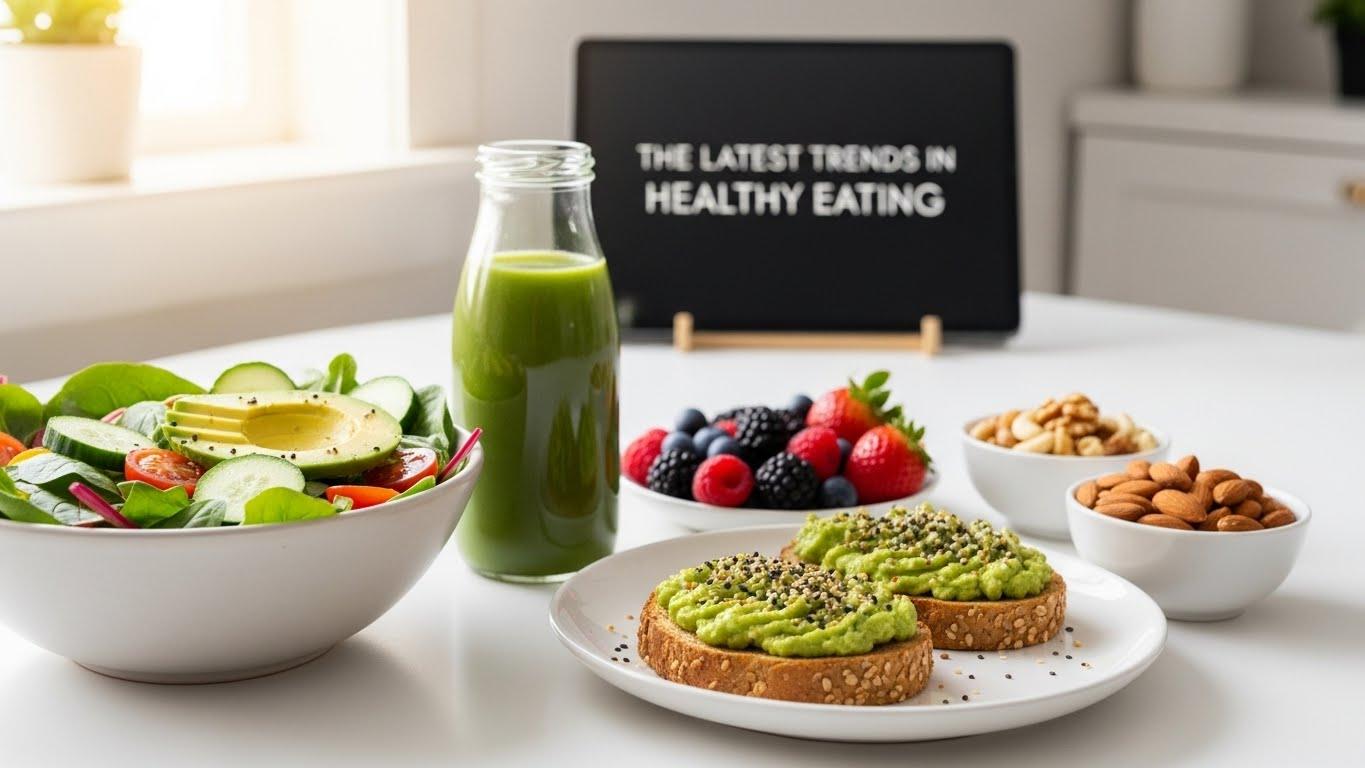
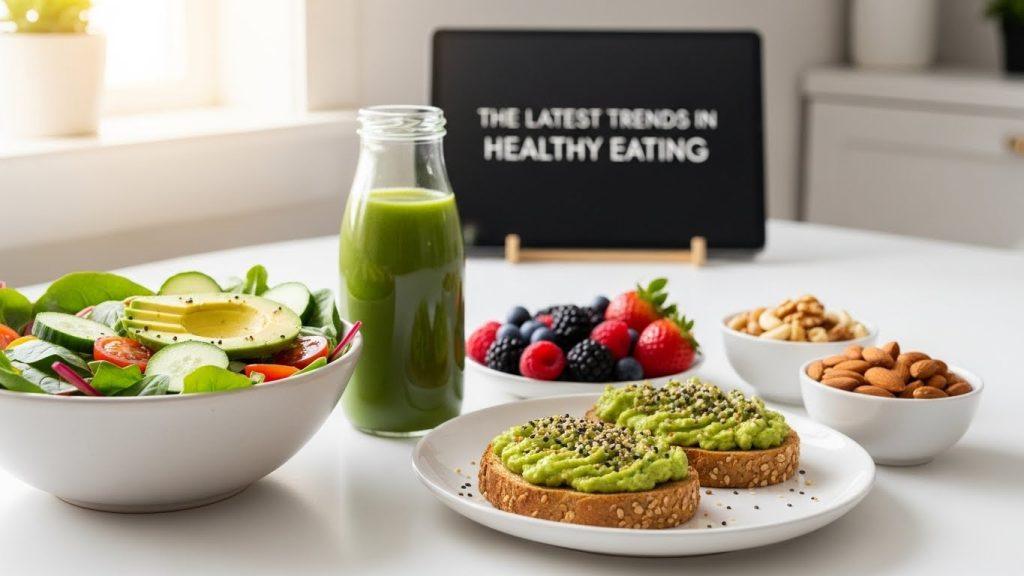
In recent years, the pursuit of a healthier lifestyle has become more prominent than ever. With a growing awareness of the impact of diet on overall well-being, many people are exploring new ways to eat healthily. This comprehensive guide explores the latest trends in healthy eating, offering insights and practical tips to help you make informed choices.
Introduction to Healthy Eating Trends
Healthy eating is no longer just about calorie counting or avoiding certain foods. It’s about understanding the nutritional value of what you eat and making conscious decisions that align with your health goals. As research continues to unveil the benefits of various dietary practices, new trends emerge, offering innovative ways to nourish our bodies.
Plant-Based Diets: More Than Just a Fad
One of the most significant trends in healthy eating is the rise of plant-based diets. Whether motivated by ethical concerns, environmental issues, or health benefits, more people are embracing diets rich in fruits, vegetables, legumes, nuts, and seeds.
Plant-based diets have been linked to numerous health benefits, including a reduced risk of heart disease, diabetes, and certain cancers. They are also associated with improved digestion and increased energy levels. For more information on the benefits of plant-based eating, visit Harvard T.H. Chan School of Public Health.
The Rise of Functional Foods
Functional foods are those that provide additional health benefits beyond basic nutrition. Examples include foods fortified with vitamins and minerals, probiotics, and omega-3 fatty acids. This trend is gaining traction as consumers seek foods that support specific health goals, such as improved gut health or enhanced cognitive function.
Incorporating functional foods into your diet can be as simple as adding chia seeds to your morning smoothie or choosing yogurt with added probiotics. For a deeper understanding of functional foods, explore the resources at Academy of Nutrition and Dietetics.

Mindful and Intuitive Eating
Mindful and intuitive eating are approaches that focus on listening to your body’s hunger cues and eating with intention. This trend encourages individuals to savor their meals, pay attention to hunger signals, and choose foods that truly satisfy both body and mind.
Practicing mindful eating can lead to a healthier relationship with food, reduce overeating, and increase enjoyment of meals. To learn more about the principles of mindful eating, visit The Center for Mindful Eating.
Personalized Nutrition: Tailoring Diets to Individual Needs
The concept of personalized nutrition is becoming increasingly popular, as people recognize that there is no one-size-fits-all approach to healthy eating. Advances in technology and nutritional science allow for diets to be tailored to individual genetic makeup, lifestyle, and health conditions.
Personalized nutrition plans can help optimize health outcomes by focusing on specific dietary needs and preferences. For insights on how personalized nutrition is shaping the future of healthy eating, check out the work by Nutrigenomix.
Sustainability in Eating: A Growing Consideration
Sustainability is a critical factor in modern dietary choices. As awareness of environmental issues grows, many people are prioritizing sustainable eating practices. This includes reducing food waste, choosing locally sourced ingredients, and supporting ethical farming practices.
Eating sustainably not only benefits the planet but can also lead to healthier food choices. For guidance on sustainable eating habits, consider exploring resources from World Health Organization.
Conclusion: Embracing a Healthier Future
The latest trends in healthy eating reflect a shift towards more conscious and informed dietary choices. By embracing plant-based diets, functional foods, mindful eating, personalized nutrition, and sustainability, individuals can achieve better health and well-being.
As you navigate these trends, remember that the best diet is one that aligns with your personal health goals, lifestyle, and preferences. Stay informed, experiment with different approaches, and find what works best for you. In doing so, you’ll be well on your way to a healthier, more fulfilling life.
Whether you’re just starting your journey or looking to refine your current habits, these trends offer valuable insights into the world of healthy eating. Explore, experiment, and enjoy the benefits of nourishing your body with intention and care.
Exploring Innovative Food Technologies
A fascinating aspect of the latest healthy eating trends is the integration of technology in food production and consumption. Innovations like lab-grown meat, plant-based protein alternatives, and food tracking apps are revolutionizing the way we think about nutrition.
Lab-grown meat, for example, offers a sustainable alternative to traditional meat production, potentially reducing the environmental impact associated with livestock farming. Simultaneously, plant-based protein products are becoming increasingly sophisticated, offering taste and texture that closely resembles animal products.
Food tracking apps further empower consumers to make informed dietary choices by providing insights into nutritional content, portion sizes, and meal planning. These tools make it easier to adhere to specific dietary goals and experiment with new eating patterns.
The Influence of Cultural and Global Cuisines
The global food landscape is rich with diverse culinary traditions, and many individuals are now embracing international cuisines to enhance their healthy eating habits. Incorporating elements from Mediterranean, Asian, and Latin American diets can introduce new flavors and nutritional benefits.
For instance, the Mediterranean diet, rich in olive oil, fresh vegetables, and lean proteins like fish, is renowned for its heart-healthy benefits. Similarly, Asian cuisines often emphasize whole grains, fermented foods, and a variety of vegetables, contributing to balanced nutrition.
Exploring global cuisines not only adds variety to your diet but also helps you discover new ingredients that can enrich your meals and support your health.
The Role of Community and Support Systems
Healthy eating is often more successful when supported by a community or social network. Online forums, local cooking classes, and meal prep groups provide platforms for sharing experiences, recipes, and tips. These support systems can increase motivation and accountability, making it easier to stick to healthy eating habits.
Participating in community gardens or local food co-ops can also foster a deeper connection with the food you consume. These initiatives promote access to fresh, seasonal produce and encourage a collaborative approach to healthy living.
Breaking Down Barriers to Healthy Eating
Despite growing interest in healthy eating, several barriers can hinder the adoption of healthier diets. These may include limited access to fresh produce, budget constraints, or a lack of nutritional knowledge. Addressing these challenges is crucial for making healthy eating accessible to all.
Many organizations and initiatives are working to overcome these obstacles by providing educational resources, subsidizing the cost of healthy foods, and enhancing access to grocery stores in underserved areas. By tackling these barriers, they aim to create an inclusive environment where everyone can enjoy the benefits of healthy eating.
Embracing Flexibility and Balance
In the pursuit of healthy eating, balance and flexibility are key. Strict dietary regimens can lead to burnout or unhealthy relationships with food. Instead, it’s important to adopt a flexible approach that allows for occasional indulgences while maintaining overall healthy habits.
Understanding that healthy eating is a journey rather than a destination can alleviate pressure and encourage a more sustainable lifestyle. By focusing on progress rather than perfection, individuals can cultivate a positive and fulfilling relationship with food.
Conclusion: Moving Forward with Informed Choices
The landscape of healthy eating is continuously evolving, shaped by cultural influences, technological advancements, and growing awareness of sustainability. By staying informed about the latest trends and exploring various dietary options, you can discover a path that best suits your lifestyle and health goals.
Remember, the journey to healthy eating is personal and dynamic. By embracing new trends, connecting with supportive communities, and remaining open to change, you can create a nourishing and enjoyable eating experience that promotes long-term well-being.
The future of healthy eating is bright, offering endless opportunities to explore, learn, and grow. As you embark on this journey, let curiosity and self-compassion guide your choices, ensuring a balanced and fulfilling approach to nutrition.
Integrating Mental Health and Nutrition
Another pivotal aspect of the latest healthy eating trends is the recognition of the connection between mental health and nutrition. Emerging research supports the idea that what we eat can significantly impact our mood, cognitive function, and overall mental well-being.
Diets rich in omega-3 fatty acids, antioxidants, and essential vitamins have been linked to improved mental health outcomes. For example, fatty fish, berries, nuts, and leafy greens can play a role in reducing symptoms of depression and anxiety. Understanding the link between diet and mental health can empower individuals to make food choices that support both physical and emotional wellness.
The Growing Popularity of Intermittent Fasting
Intermittent fasting has gained traction as a popular approach to weight management and metabolic health. This eating pattern involves alternating periods of eating and fasting and has been associated with benefits such as improved insulin sensitivity, weight loss, and enhanced cellular repair processes.
Different methods of intermittent fasting exist, including the 16/8 method, where individuals fast for 16 hours and eat during an 8-hour window, and the 5:2 method, which involves eating normally for five days and restricting calories on two non-consecutive days. As with any dietary approach, it’s essential to find a method that aligns with personal lifestyle and health goals.
The Importance of Hydration
While much focus is placed on what we eat, hydration remains a crucial component of healthy eating that’s often overlooked. Staying adequately hydrated supports digestion, nutrient absorption, and overall bodily functions. Water is the best option for staying hydrated, but herbal teas and water-rich fruits and vegetables can also contribute to daily fluid intake.
Understanding the role of hydration in maintaining energy levels and concentration can enhance dietary practices and promote a holistic approach to health.
Adapting to Dietary Needs and Restrictions
As awareness grows around food allergies and intolerances, more people are seeking ways to adapt their diets to meet specific dietary needs. Gluten-free, dairy-free, and low-FODMAP diets are becoming more common as individuals work to manage symptoms and improve digestive health.
Fortunately, the availability of alternative products and resources has made it easier to navigate dietary restrictions without compromising on taste or nutrition. Exploring recipes and products that cater to these needs can open up new culinary possibilities and enhance the enjoyment of eating.
Future Outlook: The Evolution of Healthy Eating
Looking ahead, the future of healthy eating promises continued innovation and exploration. As technology advances and understanding of nutrition deepens, personalized and accessible dietary solutions will become increasingly prevalent.
Moreover, the global emphasis on sustainability and ethical food production will continue to shape dietary trends, encouraging a more conscientious approach to eating. This evolution reflects a growing commitment to nurturing both individual health and the health of our planet.
Ultimately, the journey to healthy eating is a lifelong process, marked by learning, adaptation, and discovery. By staying informed and open to new experiences, individuals can cultivate a diet that not only nourishes the body but also enriches the mind and soul.
As you continue your exploration of healthy eating trends, let curiosity and mindfulness guide you. Embrace the adventure of trying new foods, learning about different cultures, and discovering what truly makes your body and mind thrive. This holistic approach to nutrition ensures a rewarding and sustainable path to well-being.