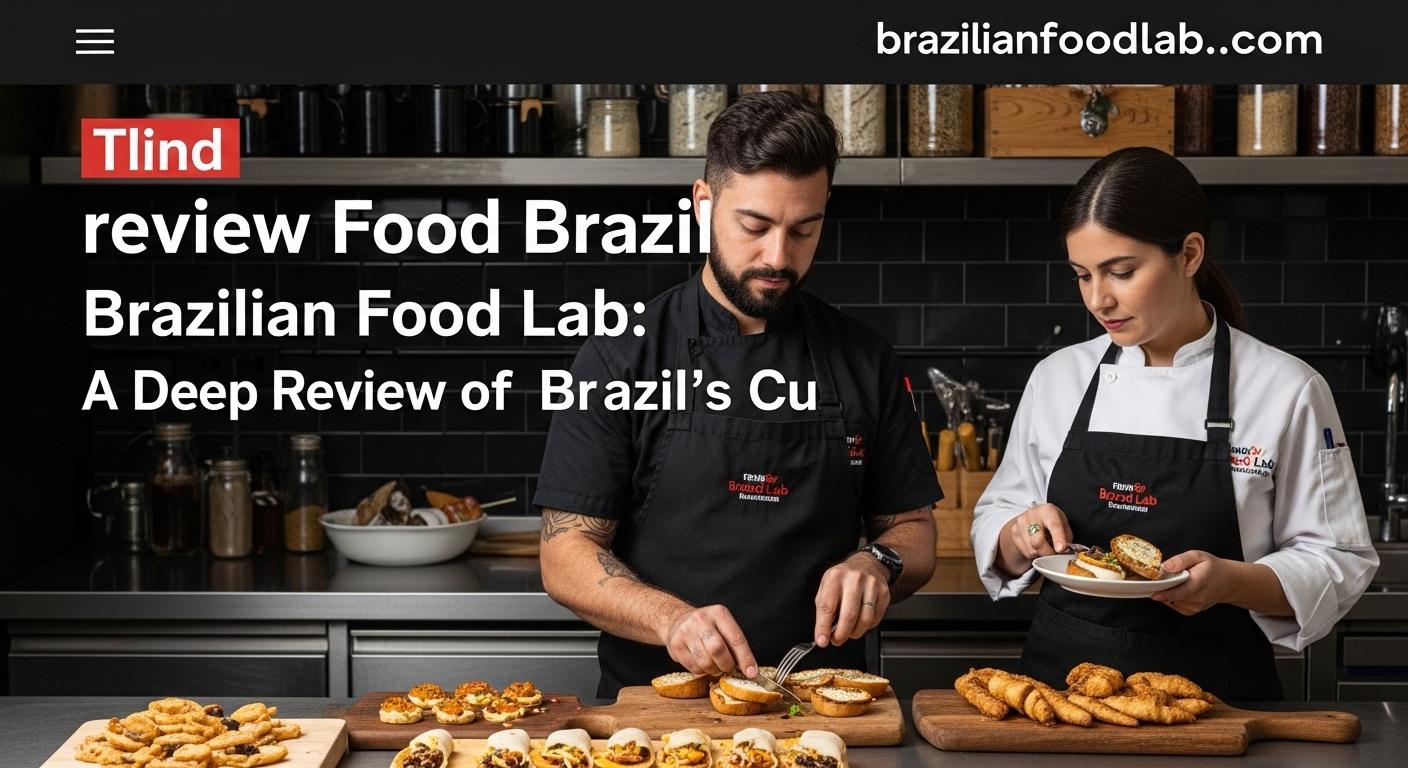
Brazilian kitchen lab with fresh ingredients and tasting dishes
Updated: April 9, 2026
Brazil’s culinary landscape is increasingly braided with global dialogues, and the phrase india Food Brazil has moved from a distant trade talking point to a working shorthand for how flavors, ingredients, and market strategies cross continents. This article examines how Indian taste profiles are finding a home in Brazilian kitchens, supermarkets, and street food stalls, and what it means for producers, restaurateurs, and policy makers. From spice blends to ready-to-eat curries, the cross-pollination signals a broader shift in how Brazil sources inspiration and sustains its evolving food culture.
Markets and Mindsets: India Food Brazil Linkages
Across Brazil’s urban centers, Indian ingredients have quietly become everyday staples: turmeric and coriander in spice aisles, basmati rice in specialty stores, chickpeas in salad bars, and ready-to-cook masala mixes in meal kits. Brazilian consumers, especially younger urban eaters, show curiosity about Indian flavors that can complement regional dishes such as feijoada and moqueca. For Brazilian food producers and retailers, this creates an opening to blend Indian spices with native products like cassava, black beans, and tropical fruits. The interplay is not just about flavor; it reflects a broader consumer trend toward global pantry diversification, online availability, and the normalization of cross-cultural menus in Brazilian cities like São Paulo and Rio de Janeiro.
Policy, Trade, and Supply Chains
Trade policies, regulatory frameworks, and supply-chain logistics shape how easy or difficult it is to bring Indian ingredients to Brazilian shelves. Spices and pulses must meet Brazilian health and labeling rules, traceability standards, and pest-risk assessments. For importers, the challenge is balancing shelf stability with freshness, especially for perishable items such as curry leaves or fresh ginger routed through Atlantic ports. While BRICS ties and bilateral dialogues create appetite for closer cooperation, practical advances hinge on organized distribution networks, warehousing, and co-branded certifications that reassure Brazilian retailers and diners.
From Spice Routes to Brazilian Kitchens
Chefs and home cooks are translating Indian technique into Brazilian idioms. A starter might feature curry leaves alongside manioc crisps, or a spice blend used as a crust for grilled fish. Indian snacks, such as spiced chickpea bites, appear in festival booths and street-food pop-ups. At the retail level, branded masala blends, ghee, and ready-to-cook sauces are marketed as convenient, culturally expansive options for households seeking variety. The trend is powered in part by e-commerce platforms that connect Brazilian consumers with Indian brands, but it also hinges on local adaptation—reducing salt levels, offering Portuguese labeling, and packaging that respects Brazilian taste and dietary preferences.
Practical Impacts for Producers and Retailers
For Brazilian producers and restaurateurs, the india Food Brazil dynamic offers a chance to experiment with Indian ingredients that pair with Brazilian staples, potentially expanding menus and consumer reach. Indian exporters, in turn, can tailor products to Brazilian markets by adjusting spice levels, packaging, and nutrition labeling to meet local expectations. This means investment in culinary education, supplier risk management, and certifications such as halal or vegan where relevant. Retailers can curate fusion shelves that showcase Indian flavors alongside traditional Brazilian ingredients, while also highlighting recipe ideas that help Brazilian shoppers visualize pairings with feijoada, heated cassava dishes, or grilled fish.
Actionable Takeaways
- Develop partnerships with Indian spice houses to co-create Brazil-ready blends aligned with local tastes and safety standards.
- Build educational content (in-store tastings, recipe cards, short videos) to help Brazilian consumers discover Indian flavors.
- Engage with local chefs and street-food operators to pilot Indian-Brazilian fusion dishes in major cities.
- Align packaging and labeling with Brazilian regulations, including nutrition details and Portuguese language, while ensuring halal/vegan certifications where relevant.
- Leverage e-commerce and small-format stores to reach urban consumers, and participate in trade shows in Brazil and India to expand networks.
Source Context:
From an editorial perspective, separate confirmed facts from early speculation and revisit assumptions as new verified information appears.
Track official statements, compare independent outlets, and focus on what is confirmed versus what remains under investigation.
For practical decisions, evaluate near-term risk, likely scenarios, and timing before reacting to fast-moving headlines.