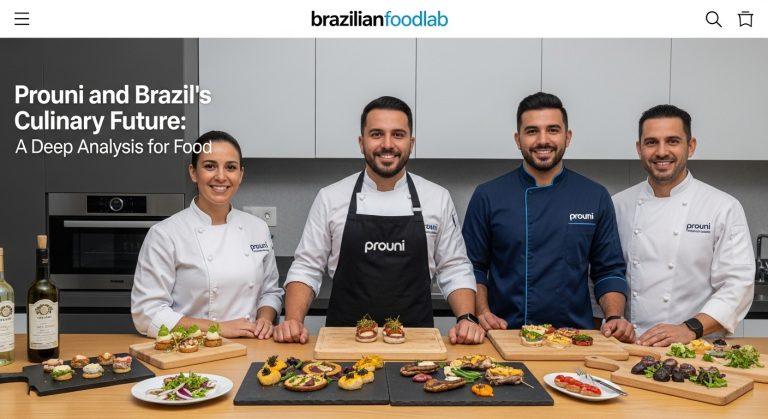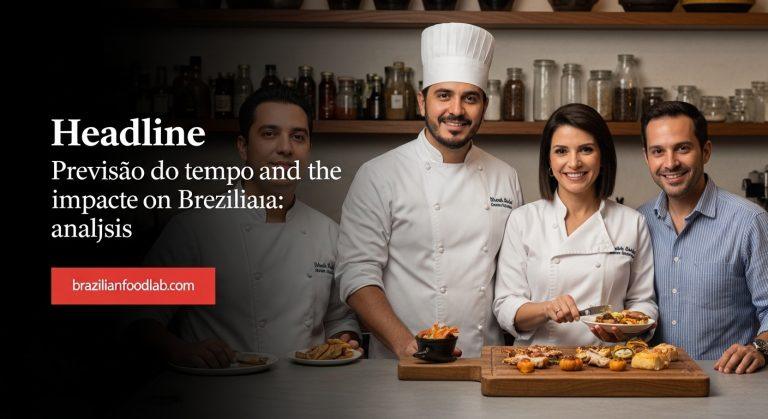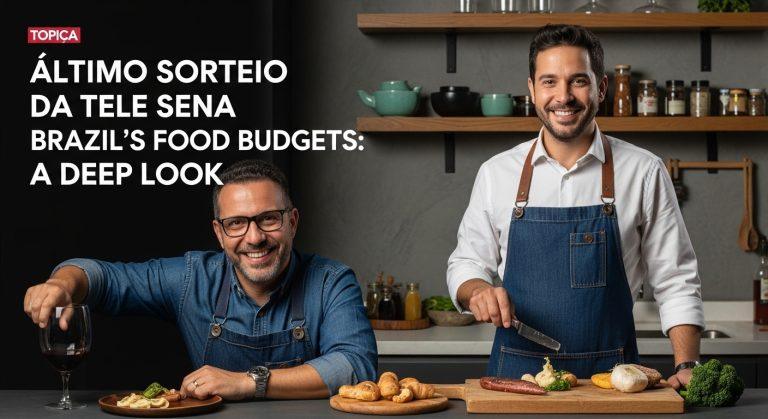
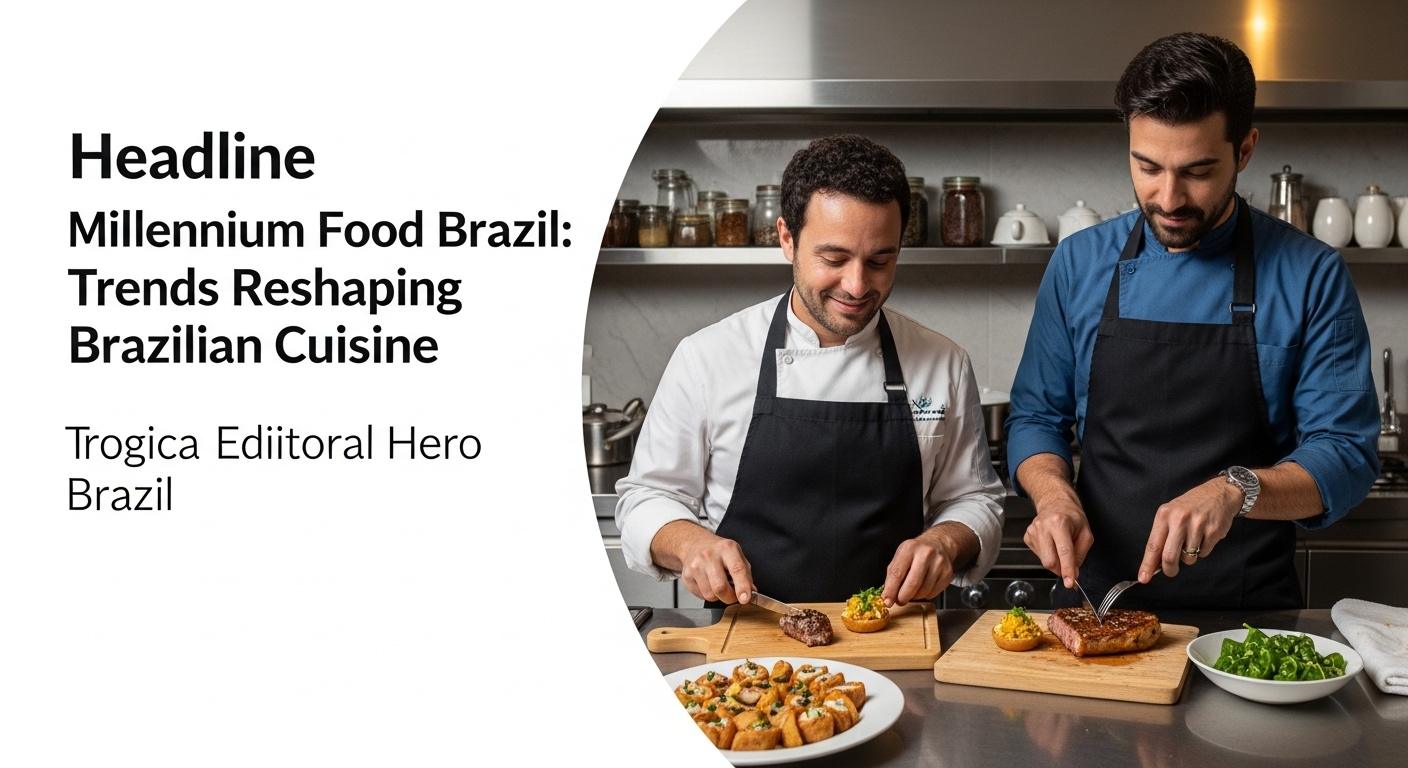
Vibrant Brazilian market scene with traditional and fusion dishes and busy chefs.
Updated: April 9, 2026
Millennium Food Brazil is not just a menu; it’s a narrative about how Brazilian dining is mutating under pressures of urbanization, digital marketplaces, and cultural exchange. This framework, often described as ‘millennium Food Brazil’ by observers, treats the country’s evolving cuisine as the product of multiple streams—regional ingredients, diaspora influence, and technological platforms—that together push Brazilian food into a new century of practice.
Understanding the Millennium Food Brazil Trend
The phrase signals a shift from static regional dishes to adaptive systems: menus that change with harvests, delivery-driven formats, and collaborations across culinary regions. The roots lie in Brazil’s enormous regional diversity—cassava-based staples from the northeast, seafood from the coast, and cattle-led grills of the south—now recombined with international techniques and plant-forward ideas. The term also encodes a generational shift: millennials and young professionals who expect speed, transparency, and a story behind what they eat. For restaurateurs, the challenge is balancing respect for tradition with the appetites for novelty and convenience that digital platforms enable.
Platform Shifts and Market Realignment
The most visible catalyst is technology. Delivery apps, online menus, and data-driven marketing compress geography. A bairro bistro in Recife can reach a nationwide audience within days, while a São Paulo chef can test a dish with minimal waste through pop-ups and cloud kitchens. The rise of ghost kitchens—shared facilities optimized for delivery—has lowered entry barriers, allowing niche Brazilian influences to scale without a full dine-in footprint. At the same time, supply chains are becoming more resilient through direct farmer partnerships, seasonal menus, and new forms of co-ops that guarantee better prices for producers and clearer provenance for consumers. As costs rise and margins tighten, operators increasingly design modular menus: base recipes with rotating add-ons tied to harvest calendars and regional celebrations.
Culture, Policy, and the Brazilian Culinary Future
Culinary culture in Brazil sits at the intersection of tourism, education, and policy. Municipal and state initiatives—whether through gastronomy-focused festivals, farmer markets, or school meal programs—can steer demand toward local products and traditional preparation methods while encouraging innovation. Policy levers around food safety, labeling, and training are not abstract; they determine whether new concepts survive long enough to become mainstream. Climate change presents another layer of complexity: droughts, floods, and shifting harvest windows require adaptive sourcing and more robust contingency planning for kitchens that rely on fresh produce. Across the country, chefs are experimenting with native ingredients—like heartier cassava varieties, native fruits, and lesser-known grains—while urban centers embed these flavors within accessible, everyday formats. The future of Brazilian cuisine, uncertain as any forecast, will likely hinge on how well industry, academia, and government collaborate to translate tradition into scalable, sustainable models that resonate with a millennium Food Brazil audience.
Actionable Takeaways
- Chefs and menu developers: design flexible recipes that can be scaled up or down, incorporate local producers, and tell a clear origin story to build consumer trust in millennium Food Brazil.
- Restaurant operators: explore cloud kitchens and pop-up formats to test regional dishes with delivery-first audiences; invest in packaging and logistics that preserve quality during transit.
- Producers and suppliers: partner with restaurants through farmer’s cooperatives or direct-to-kitchen programs to stabilize income, improve traceability, and reduce waste.
- Policymakers and educators: fund gastronomy-focused tourism, support certifications for safe and sustainable practices, and integrate Brazilian culinary arts into school curricula to cultivate a new generation of food professionals.
- Consumers: support local Brazilian producers, diversify your palate by trying dishes from different regions, and be mindful of packaging waste in delivery-centric meals.
Source Context
Selected articles that provide background on Brazilian food scenes and regional contrasts, useful for framing the millennium Food Brazil discourse:
- CT Insider: Millennium Restaurant & Bar debuts its Brazilian, Italian fare in Fairfield
- Enterprise News: Who won Brockton’s best Brazilian food? Why the devoted following?
- Independent Florida Alligator: It feels like home: Samba Brazilian Kitchen brings Carnaval to Gainesville
From an editorial perspective, separate confirmed facts from early speculation and revisit assumptions as new verified information appears.
Track official statements, compare independent outlets, and focus on what is confirmed versus what remains under investigation.