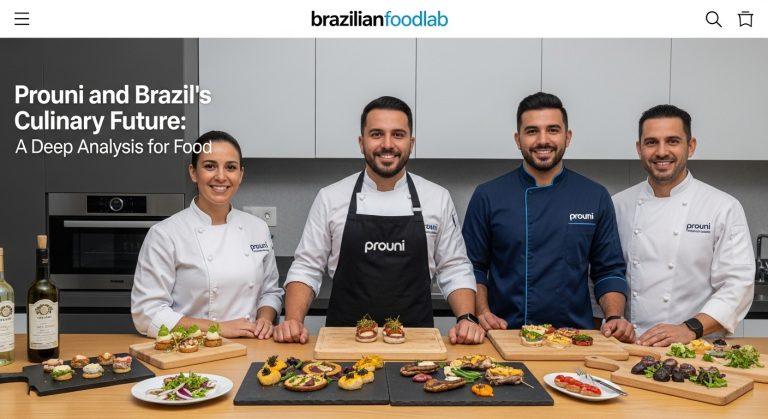
Colorful Brazilian foods and market scene with feijoada pot, pão de queijo, and fresh frutas.
Updated: April 9, 2026
For audiences asking who Food Brazil is shaping the conversation around Brazilian dining, this analysis traces how cuisine, media, and markets intersect in daily life across Brazil’s diverse regions. From backyard grills to urban markets, the signals that push trends are multiplying, and households, restaurateurs, and producers are recalibrating what counts as value, authenticity, and innovation.
Market signals: price, provenance, and the value of Brazilian ingredients
Across Brazil, markets operate as barometers of taste and logistics. Ingredient costs shift with rainfall, harvest cycles, and currency tides, yet consumers increasingly seek transparency around provenance. Local staples—cassava, beans, rice, and regional fruits—gain value when producers can demonstrate sustainable practices and reliable supply. As households dial back waste and align meals with seasonal availability, retailers and chefs respond with menus that celebrate regional diversity, from the Amazonian fruit basket to the semiarid sertão staples. The outcome is not nostalgia alone but a measurable shift in how value is defined: flavor, trackability, and the social contract between producer and eater. This shift influences what appears on supermarket shelves, how neighborhood chefs price a tasting menu, and which artisanal techniques—fermentation, smoke, or sun-drying—gain legitimacy in mainstream dining.
Media, taste, and trust: how stories steer choice
Digital media and traditional outlets compress global menus into shareable narratives. Restaurateurs and home cooks study what stories travel—heritage recipes, farm-to-table promises, or urban sustainability credentials. For readers across Brazil, credible coverage that decodes ingredients’ origins helps separate fashion from function. In this context, the role of food media platforms becomes strategic: they can anchor a consumer’s trust by linking recipes to farmers, region, and season, rather than simply packaging taste as novelty. At the same time, rising skepticism about pseudoscience and paid promotions pushes audiences to value transparency and verifiable sourcing. As a result, credibility becomes a competitive advantage for brands, markets, and culinary institutions that invest in traceability and clear narratives about origin.
Restaurants, street food, and the supply chain resilience
Brazil’s dining scene is a tapestry of formal restaurants, casual churrascarias, and vibrant street vendors. The mix tests resilience by diversifying supply chains and spreading risk. A regional shift toward more plant-forward menus, while maintaining carnivore favorites, demonstrates the cuisine’s adaptability. Street food sellers—tapioca, acarajé, temperado grills—anchor urban food culture, but they rely on logistics that keep price points stable and safety standards consistent. As operators balance tradition with innovation, the more resilient outfits connect with local producers, adopt traceability practices, and reduce waste through thoughtful portioning and packaging. The result is a two-track dynamic: high-end dining pushing creative techniques and street commerce pushing accessibility, both benefiting from closer ties to regional producers and faster feedback loops with customers.
Policy, safety, and sustainability: balancing tradition with innovation
Public health rules and labeling requirements shape the pace of new dishes and partnerships. In a country as diverse as Brazil, regulators face the challenge of ensuring safety without stifling regional flavors and family recipes. Investment in cold chains, sanitation upgrades, and training for small vendors helps keep costs predictable for consumers while protecting producers’ margins. Simultaneously, sustainability is moving from a buzzword to a practice, with certifications for agroforestry, organic farming, and fair-trade across growing regions. The long-term effect is a more robust, culturally grounded food system that can scale responsibly as demand grows. The policy environment therefore acts as both a gatekeeper and a catalyst for innovation, enabling regional cuisine to travel farther while keeping local character intact.
Actionable Takeaways
- Support local producers and seasonal menus to strengthen regional resilience.
- Ask restaurants and markets about sourcing, provenance, and safety practices to encourage transparency.
- Follow credible Brazilian food media to understand trends and avoid marketing hype.
- Invest in waste reduction and sustainable packaging in your own dining choices.
- Advocate for policy and infrastructure investments that improve safety and supply chain reliability.
Source Context
From an editorial perspective, separate confirmed facts from early speculation and revisit assumptions as new verified information appears.
Track official statements, compare independent outlets, and focus on what is confirmed versus what remains under investigation.