Whisk_3f2c849b66cabc7b825419cbd81f6520dr
Updated: April 9, 2026
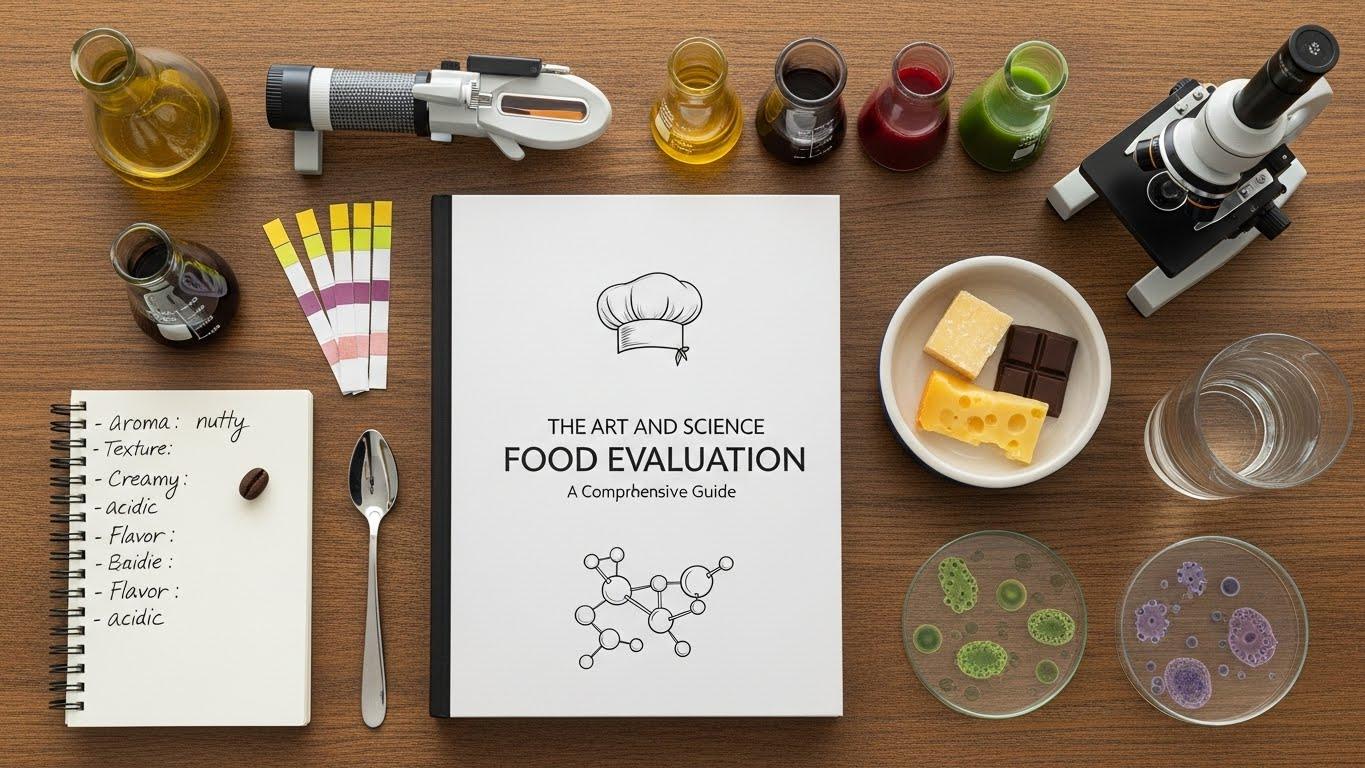
The Art and Science Behind Food Evaluation: A Comprehensive Guide
Food evaluation is a captivating field that combines elements of art and science to assess the quality, taste, and overall acceptability of food products. This multifaceted discipline involves sensory analysis, chemical testing, and consumer feedback, aiming to ensure that food products meet both safety standards and consumer expectations. In this comprehensive guide, we’ll delve into the intricacies of food evaluation, exploring its importance, methodologies, and the balance of subjective and objective assessments.
Understanding the Importance of Food Evaluation
Food evaluation is crucial for several reasons. It ensures food safety, maintains quality control, and meets consumer expectations. By systematically assessing food products, manufacturers can improve product quality, enhance flavors, and ensure consistency. Moreover, food evaluation helps in identifying potential health risks, thereby preventing foodborne illnesses and ensuring compliance with regulations.
For businesses, understanding and applying food evaluation techniques can lead to enhanced product development and innovation. It provides insights into consumer preferences, allowing companies to tailor products that align with market demands. Ultimately, food evaluation plays a vital role in the food industry, influencing everything from production processes to marketing strategies.
The Science of Food Evaluation
The scientific aspect of food evaluation involves laboratory-based testing and analysis. These methods provide objective data about a food product’s chemical composition, nutritional content, and physical properties. Key scientific techniques in food evaluation include:
- Chemical Analysis: This involves testing for food additives, preservatives, and contaminants. It ensures that the food complies with safety standards and is free from harmful substances.
- Microbiological Testing: Essential for detecting pathogens and spoilage organisms, microbiological tests are crucial in ensuring food safety and extending shelf life.
- Nutritional Analysis: Determining the nutritional content of food products helps in labeling and provides valuable information to health-conscious consumers.

Scientific food evaluation provides the foundation for ensuring that products are safe to consume and meet regulatory standards. It also aids in improving food quality and innovation through evidence-based research.
The Art of Food Evaluation: Sensory Analysis
While scientific methods offer objective insights, the art of food evaluation lies in sensory analysis. This involves using human senses—taste, smell, sight, touch, and sound—to assess the quality and appeal of food products. Sensory analysis is inherently subjective but is structured to provide reliable data through trained panels and consumer testing.
Key Aspects of Sensory Analysis
- Appearance: Visual appeal is the first sensory attribute consumers experience. Color, texture, and presentation can significantly influence perception and enjoyment.
- Aroma: Aroma plays a crucial role in flavor perception, with the olfactory system detecting volatile compounds that contribute to a food’s overall taste experience.
- Taste: This involves evaluating the basic taste sensations—sweet, sour, salty, bitter, and umami. Balance among these tastes is essential for palatability.
- Texture: Mouthfeel, or the physical sensations in the mouth, is an important quality attribute. It includes factors like crunchiness, creaminess, and juiciness.
- Sound: Though often overlooked, sound can enhance the eating experience, as seen in the crunch of fresh produce or the sizzle of cooking.
Through structured sensory evaluation, food scientists and manufacturers can obtain valuable insights into consumer preferences and improve product offerings.
Methodologies in Food Evaluation
Food evaluation employs various methodologies, each suited to different aspects of analysis. The most common methods include:
- Descriptive Analysis: This method involves trained panelists who describe food products in detail, identifying specific attributes and intensities.
- Discrimination Testing: Used to detect differences between products, discrimination tests help determine whether changes in ingredients or processing affect the final product.
- Consumer Testing: Conducted with untrained consumers, this method assesses overall acceptability and preference, providing insights into market trends.
- Instrumental Analysis: This complements sensory methods by using instruments to measure attributes such as color, texture, and flavor compounds objectively.
By combining these methodologies, food evaluators can obtain a comprehensive understanding of a product’s quality and consumer appeal.
Balancing Subjective and Objective Assessments
One of the challenges in food evaluation is balancing subjective sensory assessments with objective scientific data. While sensory analysis captures consumer preferences and emotional responses, scientific methods provide quantifiable data on food safety and composition. Successful food evaluation requires integrating these approaches to create products that are not only safe and nutritious but also desirable to consumers.
For example, a government food safety agency might mandate nutritional labeling based on scientific analysis, while sensory testing guides flavor and texture enhancements. By harmonizing these elements, food manufacturers can ensure their products meet both regulatory standards and consumer expectations.
Applications and Future Trends in Food Evaluation
Food evaluation is constantly evolving, driven by technological advancements and changing consumer preferences. Emerging trends include:
- Advanced Analytical Techniques: Innovations such as genomics and metabolomics are providing deeper insights into food composition and its effects on health.
- Sustainability and Ethics: Increasing consumer demand for sustainable and ethically produced foods is influencing evaluation criteria, with a focus on environmental impact and sourcing transparency.
- Personalized Nutrition: Advances in technology are enabling personalized nutrition solutions, tailoring food products to individual health needs and preferences.
- Digital Sensory Analysis: The use of artificial intelligence and machine learning in sensory analysis is enhancing the accuracy and efficiency of evaluations.
As these trends continue to shape the industry, food evaluators must adapt to new methodologies and consumer demands, ensuring products remain relevant and competitive in a dynamic market.
Takeaways
The art and science of food evaluation are integral to the food industry, providing the tools necessary to ensure product quality, safety, and consumer satisfaction. By understanding and applying both scientific and sensory methods, food professionals can create products that not only meet regulatory standards but also delight consumers. As technology and consumer expectations evolve, so too must the approaches to food evaluation, paving the way for innovation and growth in the culinary world.
For more information on the latest advancements in food science, consider exploring resources from organizations such as the Institute of Food Technologists or the U.S. Food and Drug Administration for current regulatory guidelines and research.
Challenges in Food Evaluation
Despite the advancements, food evaluation faces several challenges that require ongoing attention and innovation. Some of these challenges include:
- Subjectivity in Sensory Analysis: Even with trained panels, sensory evaluation can be influenced by individual biases and environmental factors. Ensuring consistency and reliability in results remains a complex task.
- Rapid Technological Changes: Keeping up with the latest technological advancements in food evaluation requires continuous learning and adaptation for professionals in the field.
- Globalization: As the food market becomes more global, evaluators must consider diverse cultural preferences and regulatory environments, making standardization a challenging endeavor.
- Health and Wellness Trends: The growing focus on health and wellness requires evaluators to incorporate nutritional and functional food attributes into their assessments, adding complexity to traditional evaluation methods.
Addressing these challenges involves ongoing research, collaboration, and investment in education and technology to ensure that food evaluation methods remain robust and relevant.
Case Studies: Successful Food Evaluation Practices
Examining successful case studies can provide valuable insights into the practical application of food evaluation techniques. Here are a few notable examples:
Case Study 1: Improving Flavor Profiles in Snack Foods
A leading snack food manufacturer used descriptive analysis and consumer testing to refine the flavor profiles of their existing product line. By understanding specific flavor attributes that consumers preferred, the company was able to reformulate their recipes, resulting in a significant increase in market share and consumer satisfaction.
Case Study 2: Ensuring Consistency in Beverage Production
A beverage company implemented a combination of instrumental analysis and sensory testing to ensure consistency across their product range. By regularly monitoring key attributes such as sweetness, acidity, and aroma, the company maintained product quality, leading to improved brand loyalty and reduced customer complaints.
Case Study 3: Developing Health-Oriented Food Products
In response to increasing health-conscious consumer trends, a food manufacturer utilized nutritional analysis and consumer panels to develop a new line of health-oriented products. By focusing on both nutritional content and taste, they successfully launched a product that met health guidelines and appealed to consumers, demonstrating the importance of integrating scientific and sensory evaluations.
Tools and Technologies in Modern Food Evaluation
Modern food evaluation has been significantly enhanced by a variety of tools and technologies that offer increased precision and efficiency. Key technologies include:
- Electronic Noses and Tongues: These devices mimic human sensory evaluation and are used to detect and quantify aroma and taste compounds, providing consistent and objective results.
- High-Performance Liquid Chromatography (HPLC): A powerful technique for separating and analyzing complex mixtures, HPLC is widely used in nutritional and chemical analysis of food products.
- Sensory Software: Advanced software solutions assist in designing and analyzing sensory tests, offering robust statistical tools to interpret complex data.
- Big Data and Machine Learning: The application of big data analytics and machine learning algorithms allows for the analysis of large datasets, identifying patterns and predicting consumer preferences with greater accuracy.
These tools not only streamline the food evaluation process but also provide deeper insights into consumer behavior, enabling the development of innovative products that meet market demands.
Final Thoughts
Food evaluation is a dynamic and essential field that bridges the gap between scientific rigor and consumer delight. As the industry continues to evolve, the integration of advanced technologies and a deep understanding of consumer preferences will be key to success. For those interested in exploring further, organizations such as the Food and Agriculture Organization offer a wealth of resources on food safety, quality, and consumer trends.
Ultimately, the art and science of food evaluation play a pivotal role in shaping the future of the food industry, ensuring that products are not only safe and nutritious but also resonate with consumers on a personal level.