
Whisk_ed136e1a193223b8e14488b368025e81dr
Updated: April 9, 2026
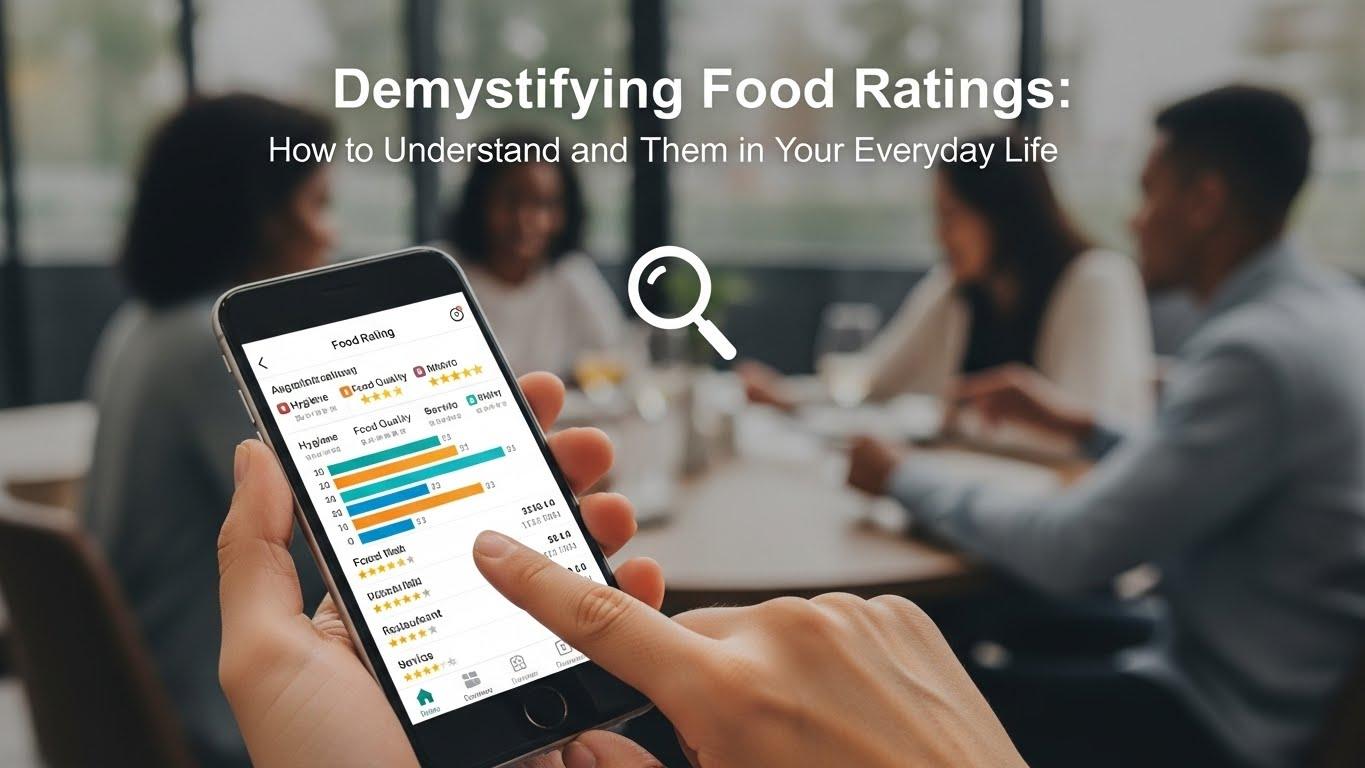
Demystifying Food Ratings: How to Understand and Use Them in Your Everyday Life
In today’s fast-paced world, making informed decisions about the food we consume is more important than ever. With the abundance of options available, food ratings have become a crucial tool for consumers seeking quality and value. But what do these ratings actually mean, and how can you use them to enhance your culinary experiences? In this comprehensive guide, we’ll unravel the mystery behind food ratings and provide practical insights on leveraging them in your everyday life.
Understanding Food Ratings: The Basics
Food ratings are evaluations given to food products or dining establishments, often based on a combination of factors such as taste, quality, nutritional value, and overall experience. These ratings can come from various sources, including professional critics, consumer reviews, and specialized organizations. While they may seem straightforward, the criteria and methods used to determine these ratings can vary significantly.
For instance, organizations like Michelin Guide rate restaurants based on criteria like the quality of ingredients, mastery of flavor and cooking techniques, and consistency of culinary standards. Consumer-focused platforms like Yelp rely on public reviews to provide an aggregate score for restaurants, taking into account the dining experience from the perspective of everyday patrons.
The Role of Food Critics and Guides

Professional food critics play a significant role in shaping public perception through their reviews and ratings. These critics often have extensive culinary backgrounds and are well-versed in evaluating various aspects of food and dining. Their ratings can influence consumer choices, sway public opinion, and even affect a restaurant’s success.
One of the most prestigious food rating systems is the Michelin Star system. Originating in France, this guide awards stars to restaurants based on the excellence of their cuisine. Earning even a single Michelin Star is a monumental achievement for a restaurant, while three stars signify exceptional cuisine worth a special journey.
Consumer Reviews: The Power of the Masses
In contrast to professional critics, consumer reviews offer insights from the perspective of everyday diners. Platforms like Yelp and TripAdvisor allow users to rate and review restaurants, providing a collective viewpoint that can be invaluable to potential customers. These reviews often include personal experiences, photos, and detailed descriptions of dishes and service.
While consumer reviews are incredibly useful, they should be approached with a discerning eye. It’s important to consider the number of reviews, the overall rating, and the content of individual reviews. A restaurant with a high rating based on a small number of reviews may not be as reliable as one with a slightly lower rating supported by a larger pool of feedback.
Nutritional Ratings: Making Healthier Choices
Beyond taste and quality, nutritional ratings provide crucial information about the health aspects of food products. Organizations like the FDA and independent health advocates often provide ratings and labels on packaged foods to help consumers make healthier choices.
These ratings consider factors such as calorie content, sugar levels, and the presence of essential nutrients. For instance, Nutri-Score is a labeling system used in Europe that rates food from A (healthiest) to E (least healthy) based on its nutritional content. Being aware of these ratings can guide you toward more balanced and nutritious eating habits.
How to Use Food Ratings in Daily Life
Food ratings can be a powerful tool in your everyday decision-making process. Here are some practical ways to incorporate them into your routine:
- Plan Your Dining Outings: Use platforms like Yelp or Michelin Guide to choose restaurants that match your taste preferences and budget. Consider both professional ratings and consumer reviews to get a comprehensive view.
- Shop Smart: Look for nutritional ratings on packaged foods to ensure you’re making healthier choices. Pay attention to labels such as the Nutri-Score or other nutritional information provided.
- Experiment with New Cuisines: Use ratings to discover and try cuisines you haven’t experienced before. Highly-rated dishes and restaurants can introduce you to new flavors and culinary traditions.
- Balance Personal Preferences: While ratings provide valuable information, they should complement your personal tastes and dietary needs. Use them as a guide, but trust your own judgment and preferences.
Challenges and Limitations of Food Ratings
While food ratings are incredibly helpful, they come with certain challenges and limitations. One major issue is the subjectivity of taste; what one person finds delicious, another may not enjoy. This can lead to discrepancies in ratings, particularly in consumer reviews.
Moreover, some rating systems may be influenced by factors unrelated to food quality, such as marketing efforts or biases of the reviewers. It’s important to be aware of these potential pitfalls and use ratings as one of many factors in your decision-making process.
Conclusion: Making Informed Food Choices
In conclusion, understanding food ratings is an essential skill for navigating the vast world of culinary options. By recognizing the different types of ratings and their criteria, you can make more informed choices that enhance your dining experiences and support your health goals. Whether you’re exploring new restaurants, shopping for groceries, or embarking on a culinary adventure, food ratings provide valuable insights that can enrich your everyday life.
Embrace the power of informed decision-making, and let food ratings guide you toward delicious and satisfying experiences. For further exploration of food ratings and their impact, consider visiting resources like The New York Times Food Section, which offers a wealth of information and expert opinions on all things food-related.
Exploring Global Food Rating Systems
Food rating systems vary widely across the globe, each reflecting the culinary traditions and consumer expectations of their respective regions. Understanding these systems can offer valuable insights into global dining standards and help you make informed choices when traveling or exploring international cuisines.
In Asia, the Michelin Guide plays a prominent role, particularly in countries like Japan and China, where culinary excellence is a revered art. The guide’s presence in these countries underscores the global nature of food ratings and their influence on both local and international dining scenes.
In Australia, the Good Food Guide serves as a respected source of restaurant ratings and reviews, highlighting top dining experiences across the country. This guide, along with others, showcases the diversity of food rating systems and their role in promoting culinary excellence worldwide.
The Future of Food Ratings
As technology continues to evolve, the future of food ratings is poised for significant transformation. Artificial intelligence, big data, and social media are reshaping how food ratings are generated and consumed, offering new opportunities for both consumers and businesses.
AI-driven platforms can analyze vast amounts of data from consumer reviews, social media posts, and even photos to provide more accurate and personalized food ratings. These advancements not only enhance the reliability of ratings but also cater to individual preferences, allowing for a more tailored dining experience.
Moreover, the rise of influencer culture on platforms like Instagram and TikTok has introduced a new dimension to food ratings. Influencers with large followings can significantly impact public perception and dining trends, often providing visual and interactive reviews that resonate with younger audiences.
Practical Tips for Navigating Food Ratings
To make the most of food ratings in your everyday life, consider these practical tips:
- Cross-Reference Sources: Don’t rely solely on one rating platform. Compare ratings and reviews from multiple sources to get a well-rounded view of the restaurant or product.
- Read Beyond the Ratings: Take the time to read individual reviews and comments. They often contain valuable insights about specific dishes, service, and ambiance that can influence your decision.
- Watch for Trends: Look for common themes in reviews, such as consistent praise for a signature dish or frequent complaints about service. These trends can provide a clearer picture of what to expect.
- Consider Context: Keep in mind the context of reviews, such as the time of year or special events that may have affected the dining experience. This awareness can help you interpret ratings more accurately.
Final Thoughts
Food ratings are a valuable resource for anyone looking to enhance their culinary experiences and make informed choices about what they eat. By understanding the nuances of different rating systems and applying them thoughtfully, you can enjoy high-quality meals that align with your tastes and values.
Whether you’re a seasoned foodie or just starting to explore the world of gastronomy, food ratings offer a wealth of information that can guide your journey. Embrace the knowledge they provide, and use it to discover new flavors, support local businesses, and savor the diverse culinary landscapes that await you.
As you continue to explore the world of food ratings, remember that the ultimate goal is to enjoy delicious and satisfying meals that bring joy and nourishment to your life. Let ratings be your guide, but always trust your own palate and preferences as you embark on your culinary adventures.