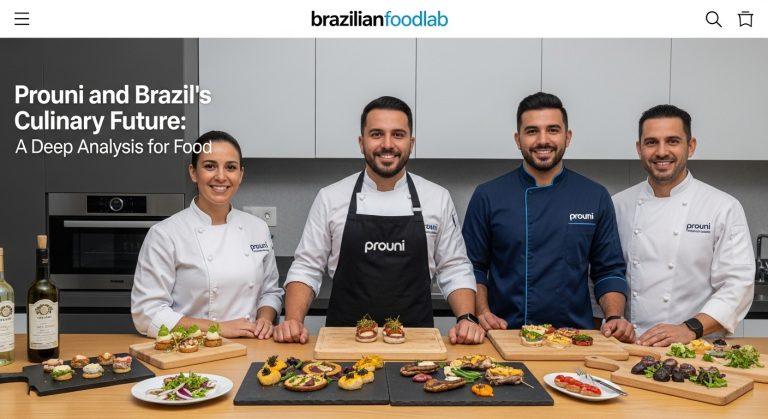
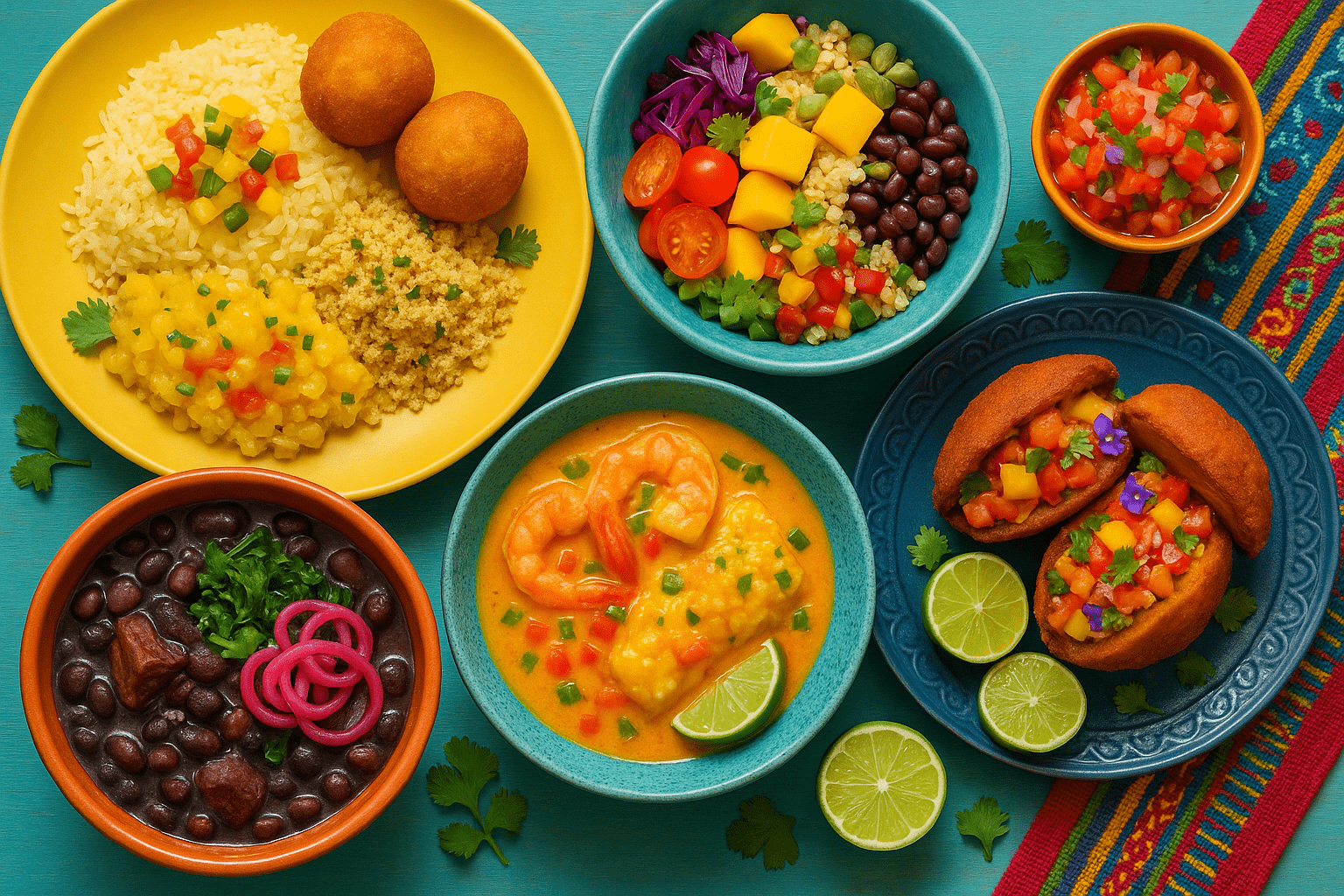
Traditional Brazilian food with modern presentations and ingredients.
Updated: April 9, 2026
In brazil Food Brazil, a term used by analysts to describe the intersection of local ingredients, regional cuisines, and modern supply chains, researchers say that understanding this convergence is essential to map the future of the country’s food economy. The phrase signals more than a culinary trend; it signals a systemic shift where farmers, processors, retailers, and diners influence each other in real time. This article offers a deep, data driven analysis of how these forces are converging and what they mean for Brazilian households, producers, and businesses across the country.
From Farm to Table: The Brazilian Food Landscape
Brazil’s vast and diverse landscape yields a pantry unlike any other. Cassava, beans, rice, tropical fruits, and a spectrum of regional specialties define daily meals, while urban centers pull demand toward fresh produce, prepared foods, and ready-to-eat options. Smallholders still supply a meaningful share of vegetables, fruits, and staples through cooperatives and direct-to-market channels, but their access to credit, storage, and transport often lags behind larger players. In parallel, processing firms and retailers help translate regional abundance into shelf-stable products and widely distributed brands. The consequence is a food system that rewards both regional specificity and scale, creating a push-pull dynamic where authenticity travels via supply chains and consumer trust travels back via brands and transparency. As consumers increasingly equate food with health, sustainability, and fair labor standards, producers and retailers are compelled to demonstrate provenance and value at every link of the chain.
Policy, Logistics, and the Producer Ecosystem
Policy decisions from the Ministry of Agriculture, Livestock and Supply (MAPA) shape investment in seeds, irrigation, pest management, and food safety standards. Tax incentives, export licenses, and price stabilization mechanisms influence how farmers allocate capital across crops and how processors plan seasonal production. Logistics infrastructure matters just as much: cold chains extend the life of perishable produce, port efficiency lowers shipping costs, and regional distribution hubs improve access to urban markets. Yet Brazil’s geography continues to complicate logistics; the North and Northeast face ongoing infrastructure gaps, while the Southeast and South enjoy more integrated markets. Climate variability further tests resilience, with droughts and floods affecting yields and prices. When policy aligns with the needs of smallholders and mid-sized processors, the system becomes more resilient, allowing regional delicacies to move from farm gate to consumer plate without eroding livelihoods or price stability.
Culinary Identity in a Global Market
Brazilian cuisine draws strength from regional diversity, immigrant influences, and a tradition of seasonal cooking. Today, global diners seek plant-forward menus, sustainable sourcing, and bold, unfamiliar flavors, creating a favorable window for Brazilian ingredients such as cassava, tucupi, jambu, and pequi to travel beyond regional kitchens. Chefs in major cities experiment with these ingredients, translating local techniques into formats that appeal to international palates while preserving cultural narratives. The challenge lies in balancing authenticity with scalability: small producers must access export channels and high-end dining without losing their labor-intense, hands-on practices. For Brazilian households, the implication is practical: broader access to diverse ingredients at fair prices and a shared language of quality that ties domestic eating to international trends.
Actionable Takeaways
- Support local producers by prioritizing seasonal produce and purchasing from cooperative markets or direct-from-farm channels when possible to strengthen rural livelihoods.
- Invest in cold chain and storage infrastructure to reduce waste, stabilize prices across regions, and expand market reach for small and mid-sized players.
- Encourage restaurants and retailers to diversify sourcing to regional specialties, creating demand for authenticity while enabling scale.
- Educate consumers about regional Brazilian ingredients to broaden acceptance, improve nutritional choices, and curb price volatility through diversified demand.
- Monitor price signals, labor standards, and supply shocks to inform responsible reporting and policy recommendations that protect workers and communities.
- Support culinary education that emphasizes regional techniques and sustainable practices to prepare a workforce ready for domestic and export markets.
Source Context
Further reading and primary sources provide context for the trends discussed above. The following sources offer official data, research, and background on Brazil food systems, policy, and cuisine.