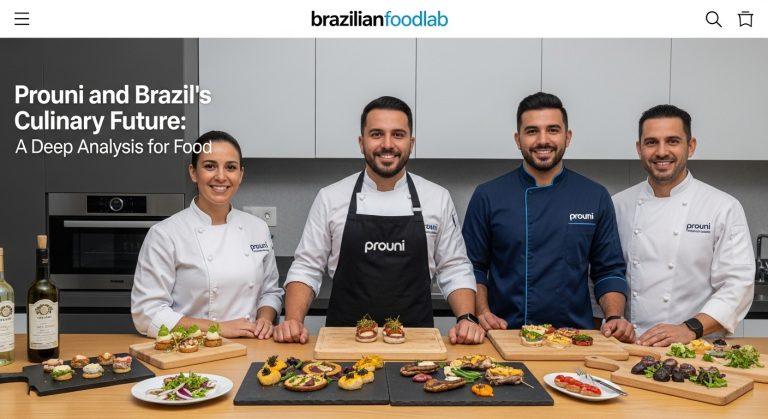
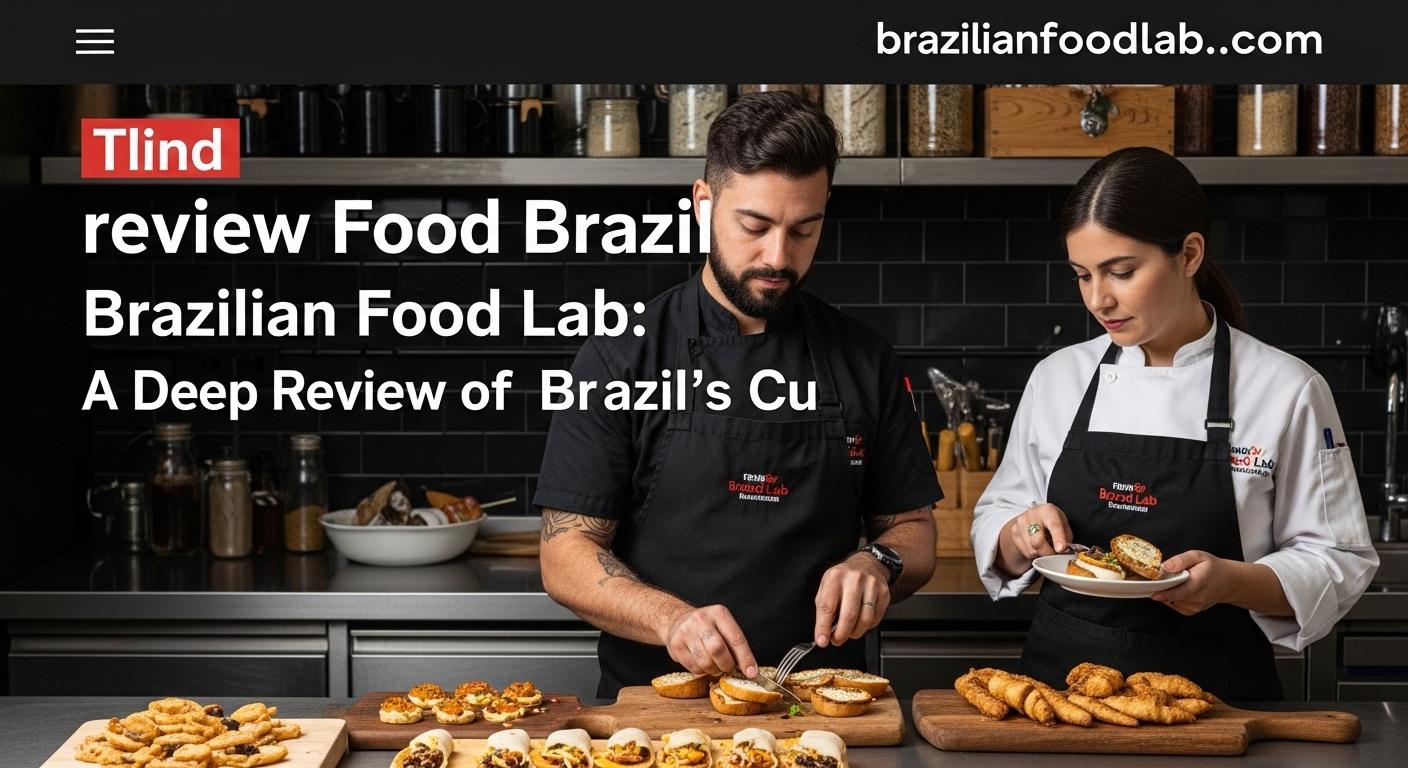
Brazilian kitchen lab with fresh ingredients and tasting dishes
Updated: April 9, 2026
Across Brazil, the kitchen has become a field for experimentation and data, where chefs, agronomists, and small producers translate taste into scalable practices. In this review Food Brazil, we analyze how a new wave of culinary work—part lab, part kitchen—reframes what Brazilians eat, how they talk about food, and what national identity looks like in a global market. The piece examines lab driven cooking, regional ingredients, and consumer expectations in a country where street food and haute cuisine share the same table. The trend is less a fad than a structural shift: more producers test ideas in controlled settings, more cooks collaborate with scientists, and more diners expect traceability and context with every bite.
Context and Stakes
Brazilian food culture remains one of the most diverse culinary ecosystems on the planet. From the feijoa of the cerrado to the seafood-rich coastlines of the Northeast, regional identities are not merely preserved but repurposed for contemporary dining, media narratives, and export ambitions. The emergence of food labs and collaborative kitchens signals a broader ambition: to translate traditional know-how into scalable techniques without erasing place-based memory. In practice, this means chefs partnering with farmers to map seasonal yields, cooks testing climate-adapted ingredients, and beverage programs experimenting with culturally resonant but globally appealing formats.
At the same time, Brazil faces real external pressures. Climate variability affects when and how ingredients arrive, while inflation and logistics challenges shape menu pricing and supply reliability. The country’s dynamic urban centers—São Paulo, Rio de Janeiro, Belo Horizonte, and beyond—are testing grounds where quick-service familiarity meets the patience of fine dining. The result is a culinary landscape that rewards both efficiency and storytelling, where a dish can travel far but must still feel rooted in local soil and social life.
These dynamics matter beyond taste. They influence who can access what is being created, how chefs source ingredients, and how policies support or constrain experimentation. When a lab-grown or co-produced ingredient gains traction, it can ripple through small producers, transport networks, and consumer expectations alike. In short, this is not just about flavor; it is about resilience, equity, and the ability of Brazilian cuisine to translate cultural capital into lasting economic value.
Market Dynamics and Consumer Behavior
The market for Brazilian cuisine is increasingly bifurcated: premium experiences that emphasize provenance and craft, and mass-market formats that rely on familiarity and cost efficiency. Consumers are becoming more curious about how food is sourced, who grows it, and how much energy lies behind a dish’s story. This has helped lift regional ingredients from niche specialties to mainstream menu terms and social media conversations. In urban centers, restaurateurs report that patrons are willing to pay for narratives—whether it is a small cooperative’s cassava flour or a coastal fish prepared with a medicinal herb from a mountain valley.
Media coverage and digital platforms amplify this dynamic. Stories about Caipirinhas and good vibes fueling a Brazilian restaurant in Washington, DC, illustrate how diaspora networks propel visibility and create culinary demand across borders. But coverage also creates expectations: diners want authenticity paired with innovation, and they demand clarity about sourcing and sustainability. For Brazilian producers, this means higher opportunities to export but also greater scrutiny over supply chains, labeling, and fair compensation for workers along the value chain.
Beyond prestige dining, everyday eating patterns are shifting as households integrate fortified beverages, regional snacks, and fermented pantry staples into routines. This trend aligns with broader health and wellness conversations, where consumers seek ready-to-eat products with clean labels and traceable origins. It also pressures suppliers to invest in packaging, cold chains, and distribution networks that can preserve quality from farm to fork. In this context, the lab kitchen is less a novelty and more a hub for optimizing logistics and quality control across a fragmented market.
Culinary Innovation and Public Health
Innovation in Brazilian food labs tends to balance audacious flavors with practical constraints—costs, nutrition, and environmental impact. Experimental techniques borrowed from gastronomy, together with traditional methods refined by cooperatives, yield products that can scale without sacrificing regional identity. This approach often prioritizes transparency—knowing where ingredients come from, who harvested them, and how they were processed—as a means to build consumer trust and resilience in the food system.
Public health considerations shape the pace and direction of this work. While indulgent interpretations of regional dishes attract attention, there is rising interest in reducing excess salt, sugar, and fat where possible, and in designing healthier substitutions that do not compromise taste. Food labs are exploring nutrient-dense ingredients that are locally available, as well as sustainable substitutes that reduce waste and energy use in production and distribution. For policymakers, the challenge is to foster innovation while safeguarding nutrition, worker rights, and environmental stewardship without stifling entrepreneurship.
Another axis of concern is climate risk. The recent pattern of heavy rains in Minas Gerais and other agricultural belts underscores how weather events can disrupt harvests, raise prices, and alter menu planning across the country. A resilient Brazilian food system will need diversified sourcing, risk-aware procurement, and investment in storage and logistics that cushion communities from shocks while supporting small-scale producers who anchor regional cuisines in the first place.
Actionable Takeaways
- Support local cooperatives and small-scale farmers to preserve regional varieties and reduce transport emissions.
- Invest in cold chains, storage, and supply transparency so chefs can plan menus with reliability and price stability.
- Encourage clear labeling of ingredients and sourcing stories to satisfy consumer demand for provenance without compromising accessibility.
- Foster culinary education that blends traditional knowledge with modern safety and nutrition practices.
- Promote collaboration between policymakers, researchers, and industry to sustain innovation while protecting workers’ rights and the environment.