Editorial photograph of Brazilian cuisine and market stalls
Updated: April 9, 2026
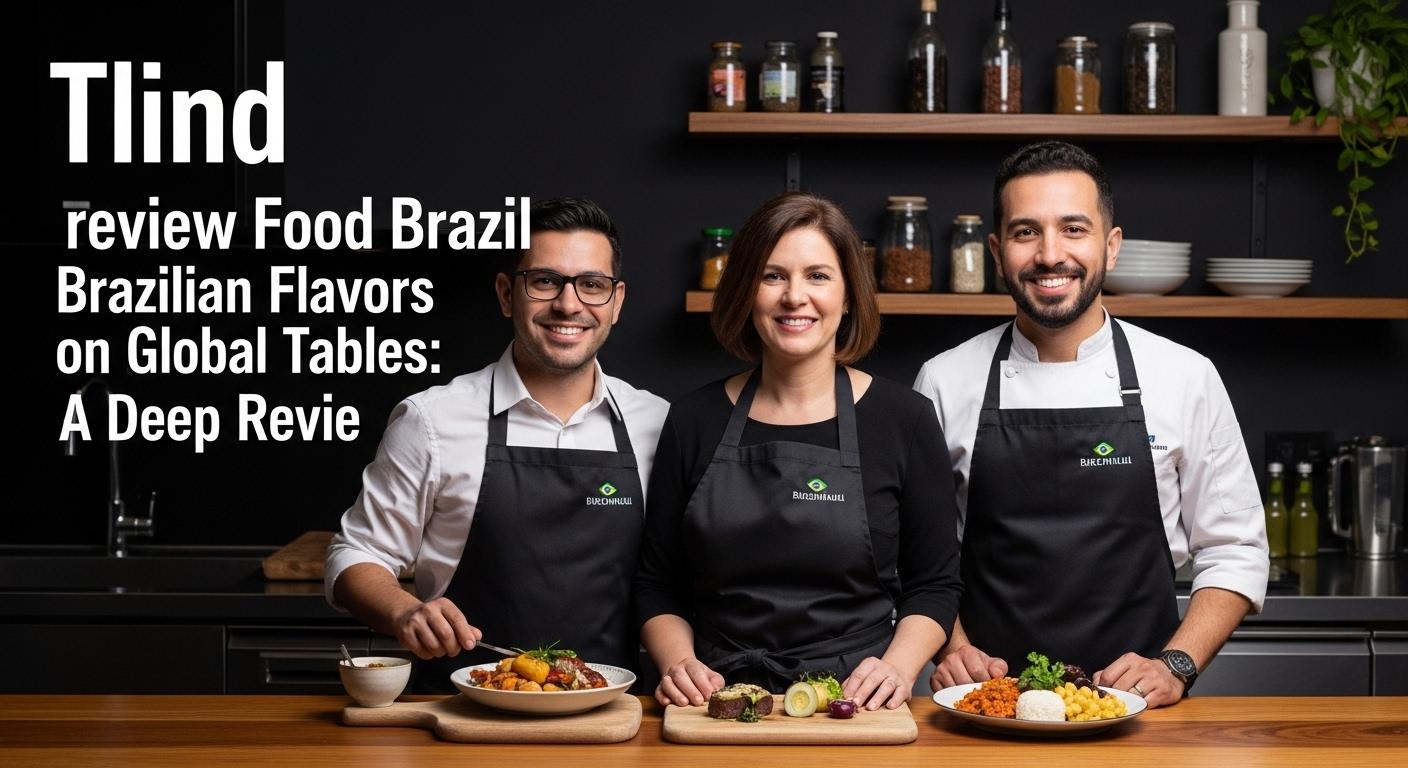
This piece opens with a review Food Brazil lens—an invitation to consider how online critiques, food journalism, and field reporting are reshaping Brazilian cuisine’s journey from local markets to international menus. In Brazil, regional specialties are proliferating, and the question now is not only what tastes good, but how supply chains, culture, and policy align to sustain growth in a competitive global food scene.
Current landscape: Brazilian flavors reach global tables
Across Brazil and in cities abroad, Brazilian flavors are breaking out of their familiar circles. Home kitchens showcase feijoada, moqueca, vatapá, pão de queijo, and outros staples alongside newer interpretations. Diaspora communities and urban chefs are pairing traditional techniques with contemporary plating, creating a dynamic exchange that expands the country’s culinary identity without erasing its roots.
Restaurants abroad—be they within major capitals or regional enclaves—often anchor menus in regional identity while embracing cross-cultural collaborations. The result is a mosaic rather than a single template: a Brazilian culinary language that can be spoken with spice, sweetness, and smoke in equal measure. For food observers, that diversity makes a single “Brazilian cuisine” claim more nuanced, and more durable, than ever before.
Within Brazil, the trend is less about one iconic dish and more about the ecosystem: producers, chefs, farmers, and retailers collaborating to blend tradition with modern sourcing. This has encouraged a current where small producers find access to urban markets, while chefs experiment with native ingredients such as cassava derivatives, coastal fish, and cerrado fruits. The effect is not just taste; it is a model for regional branding that can travel with adaptability and preserved authenticity.
Supply chains and climate: how climate events reshape menus
Climate volatility is reshaping Brazilian menus by nudging menus toward seasonality and local sourcing. When heavy rains disrupt harvests or flood low-lying farmlands, chefs and procurement teams adapt by highlighting items resilient to disruption — staples like manioc, corn, beans, and locally produced fish from nearby ecosystems — or by leaning into preserved and fermented products with longer shelf lives.
A recent wave of rainfall in parts of Minas Gerais, a region known for coffee and dairy, underscores the fragility of international supply lines that Brazilian restaurants rely on. Even as global buyers chase consistent harvests, producers respond with contingency plans: diversified crop rotations, shorter supply chains, and direct-to-chef networks that reduce dependence on intermediaries. For menus, this translates into dynamic rotations and transparent storytelling about sourcing, which can build trust with a discerning clientele.
Looking ahead, climate-adaptive farming and investment in storage technologies could cushion restaurants from price spikes and shortages. In practical terms, this means more appreciation for regional specialties and a willingness to adjust menus to reflect what is most reliable and flavorful during a given season, rather than clinging to a fixed roster of “signature” dishes.
Digital reviews as gatekeepers: what “review Food Brazil” signals
Online reviews have become one of the most consequential arbiters of a restaurant’s fate, especially for cuisine that travels across borders. A perceived authenticity, a bold interpretation of a familiar dish, or a well-executed service routine can translate into repeat visits and new audiences. The phrase review Food Brazil signals more than consumer feedback; it marks a convergence of diaspora memory, national pride, and the pragmatics of hospitality in a crowded market.
For Brazilian restaurateurs, this means engaging with reviews as a form of dialogue rather than a tweet-length verdict. Responding to criticism with transparency about sourcing, cooking methods, and seasonal constraints can convert a complaint into learning. It also means investing in visible, consistent quality — from the aroma of pão de queijo just out of the oven to the balance of seasoning in a moqueca — so that online praise becomes a durable signal rather than an ephemeral moment.
Critically, reviews also shape expectations about regional authenticity. Diners expect to taste Brazil’s varied regions—savory feijoada from the south, coconut-based dishes from the northeast, and freshwater fish from the coast—rather than a homogenized “Brazilian” menu. For editors and readers of Brazilian food media, that pressure highlights the value of clear provenance, seasonal choices, and honest storytelling about the ingredients and people behind every plate.
Policy, industry, and local futures: investing in Brazilian gastronomy
Public and private stakeholders increasingly see Brazilian gastronomy not simply as a consumer product but as an infrastructure for rural development, tourism, and cultural exchange. Training programs for chefs and farmers, investment in agroforestry and sustainable farming, and support for small-scale producers can strengthen the link between farm and table. When policy frameworks encourage local sourcing, they can reduce vulnerability to global price swings while amplifying regional identities on the menu.
Industry-led efforts—catering to both domestic and international markets—are testing models for scalable, ethical production. Co-ops, certification schemes, and direct-trade relationships help ensure quality and fairness across supply chains. In practice, this means more predictable compensation for farmers, better quality control for buyers, and more reliable experiences for diners who want consistent, recognizable flavors alongside occasional innovative twists.
Finally, culinary tourism and urban food districts offer a practical path to long-term growth. When cities invest in markets, street-food sanctuaries, and culinary schools, they cultivate a pipeline of cooks who can carry Brazilian cuisine forward with both reverence and invention. That combination—respect for tradition and willingness to experiment—could be the distinguishing factor that sustains interest in Brazilian food worldwide in the years ahead.
Actionable Takeaways
- Diners: Seek diversity on menus, rather than a single Brazilian “signature” dish; explore regional specialties and supporting producers with transparent sourcing.
- Restaurateurs: Build direct relationships with Brazilian farmers and cooperatives, rotate menus to reflect seasonal availability, and communicate provenance to guests.
- Chefs and cooks: Invest in training around traditional techniques (feijoada, cassava processing, seafood stews) while embracing modern plating and sustainability practices.
- Policy and industry leaders: Support agroecology, microcredit for small producers, and culinary tourism that connects rural farms with urban diners.
- Media and critics: Emphasize credible provenance, avoid clichés, and use reviews to encourage continuous improvement and genuine storytelling about ingredients and people.