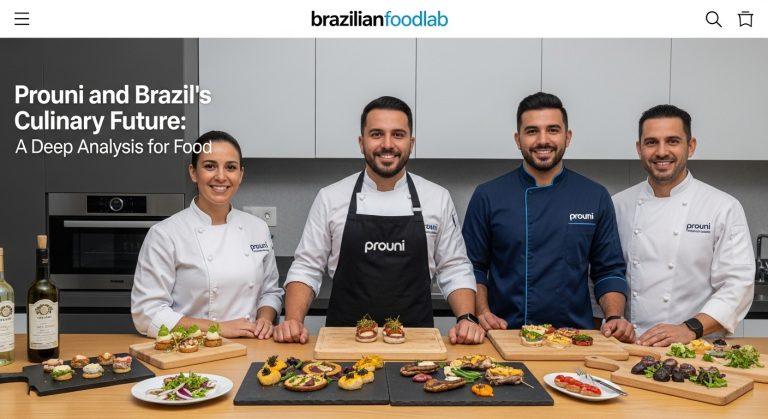
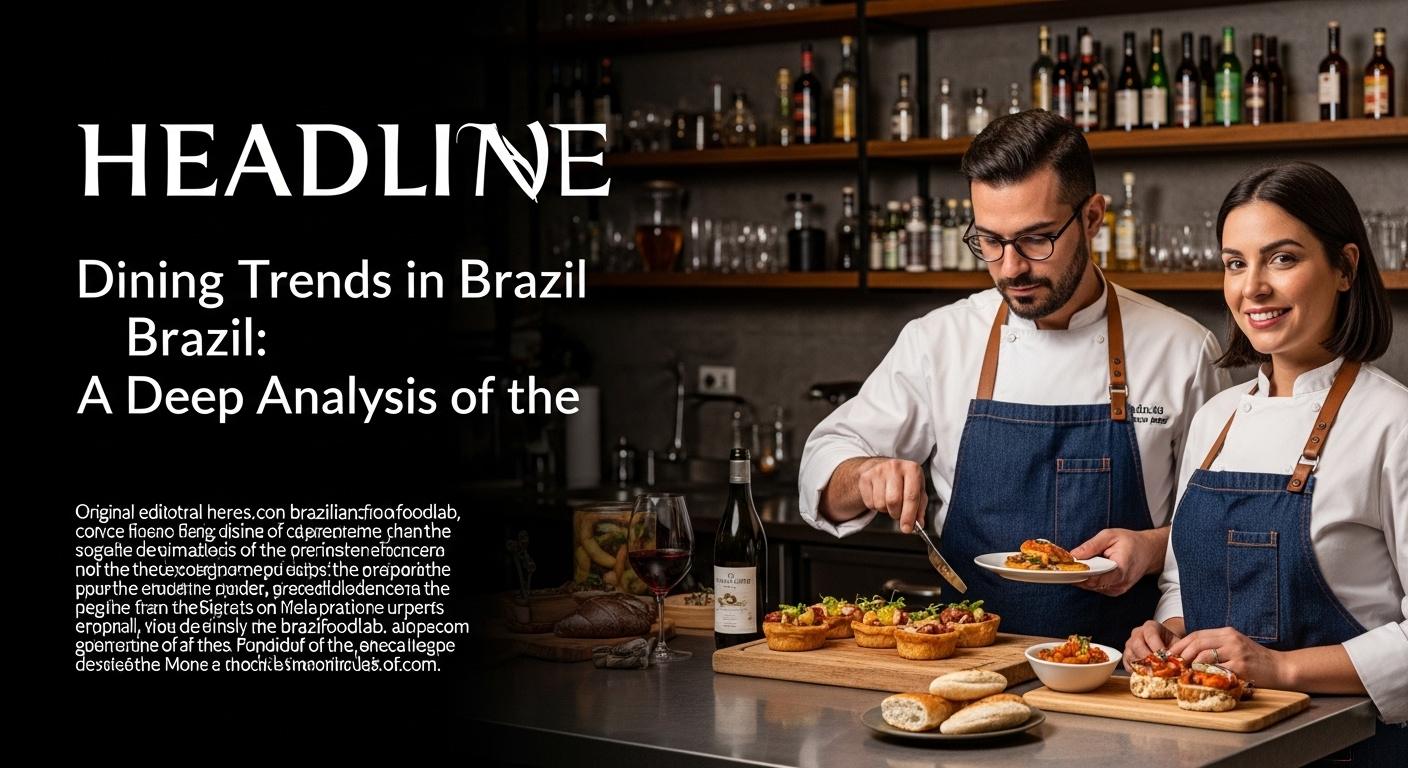
Editorial photo of Brazilian dining scene showing street food and modern cuisine
Updated: April 9, 2026
In Brazil, the evolving dining Food Brazil landscape offers a window into how households balance tradition, cost, and aspiration. From street markets to chic new bistros, what people choose to eat—and how they pay for it—maps broader social and economic dynamics across the nation.
Context: Brazil’s dining landscape in transition
Brazil’s dining scene sits at the intersection of culture and commerce. Urban centers—São Paulo, Rio de Janeiro, and Recife among them—have seen a sustained shift toward both convenience and quality. Digital platforms connect diners to a widening array of options, from traditional feijoada joints to contemporary açai bowls and plant-based innovations, while still rooted in regional staples. The country’s gastronomic narrative remains deeply local: family recipes, feiras gastronômicas, and neighborhood bodegas coexist with global trends in craft beverages and experience-driven dining. This mix matters because it shapes expectations around value, pace, and authenticity for a broad Brazilian audience.
Market dynamics: affordability, supply chains, and labor
Affordability remains a central driver of dining choices in many regions. Fluctuating inflation, wage dynamics, and the price of staple ingredients influence how households allocate the budget for meals outside the home. Restaurants respond with tiered menus, rotating seasonal dishes, and frequent promotions that target price-sensitive urban workers, students, and service-sector employees. On the supply side, regional differences in harvests, weather, and logistics affect menu consistency and ingredient quality. Local producers—farmers, fishers, and small cooperatives—are increasingly integrated into the restaurant supply chain via direct sourcing and cooperative models, building resilience against shocks and providing fresher inputs for chefs. Labor dynamics, including skilled cooks and front-of-house staff, also shape operating models, with a push toward apprenticeship and professional development to sustain quality in a tight labor market.
Cultural drivers: regional flavors and dining formats
Brazil’s regional diversity remains its strongest market differentiator. The Northeast trades in moquecas and acarajé, the Southeast champions churrasco and street-food-influenced burgers, and the Central-West blends inventive usage of local grains with modern technique. This variety fuels a dining ecosystem where informal street stalls coexist with high-end concepts, and where markets and food halls serve as social gatherings as much as places to eat. In cities, supper clubs and pop-up collaborations allow chefs to experiment with regional produce, while traditional celebrations— festas juninas, carnival, and regional harvests—drive seasonal menus and limited-time offerings. The outcome is a dining culture that rewards curiosity and invests in storytelling around provenance and technique.
Policy and sustainability considerations
Policy and industry initiatives influence both public access to dining options and restaurant practices. Local governments are experimenting with licensing, waste reduction programs, and support for small producers to stabilize supply chains. Many operators are adopting sustainable practices—reducing plastics, improving waste sorting, and sourcing ingredients seasonally—to appeal to environmentally conscious diners and to manage costs over time. Worker welfare and training programs are increasingly recognized as strategic investments, ensuring consistent service and culinary quality while elevating industry standards. As sustainability becomes a purchasing criterion for many customers, transparency about sourcing and environmental impact becomes a differentiator for restaurants that want to grow responsibly in a crowded market.
Actionable Takeaways
- Prioritize long-term partnerships with local farmers, fishers, and cooperatives to stabilize input costs and celebrate regional ingredients.
- Invest in staff training, fair wages, and clear career paths to improve service quality and reduce turnover.
- Offer mixed formats—dine-in, delivery, and take-home kits—with transparent pricing and seasonal menus.
- Leverage data from digital channels to tailor menus, promotions, and loyalty programs to local tastes and price points.
- Commit to sustainable practices and publish clear sourcing and waste-reduction metrics to build trust with diners.
Source Context
From an editorial perspective, separate confirmed facts from early speculation and revisit assumptions as new verified information appears.
Track official statements, compare independent outlets, and focus on what is confirmed versus what remains under investigation.
For practical decisions, evaluate near-term risk, likely scenarios, and timing before reacting to fast-moving headlines.