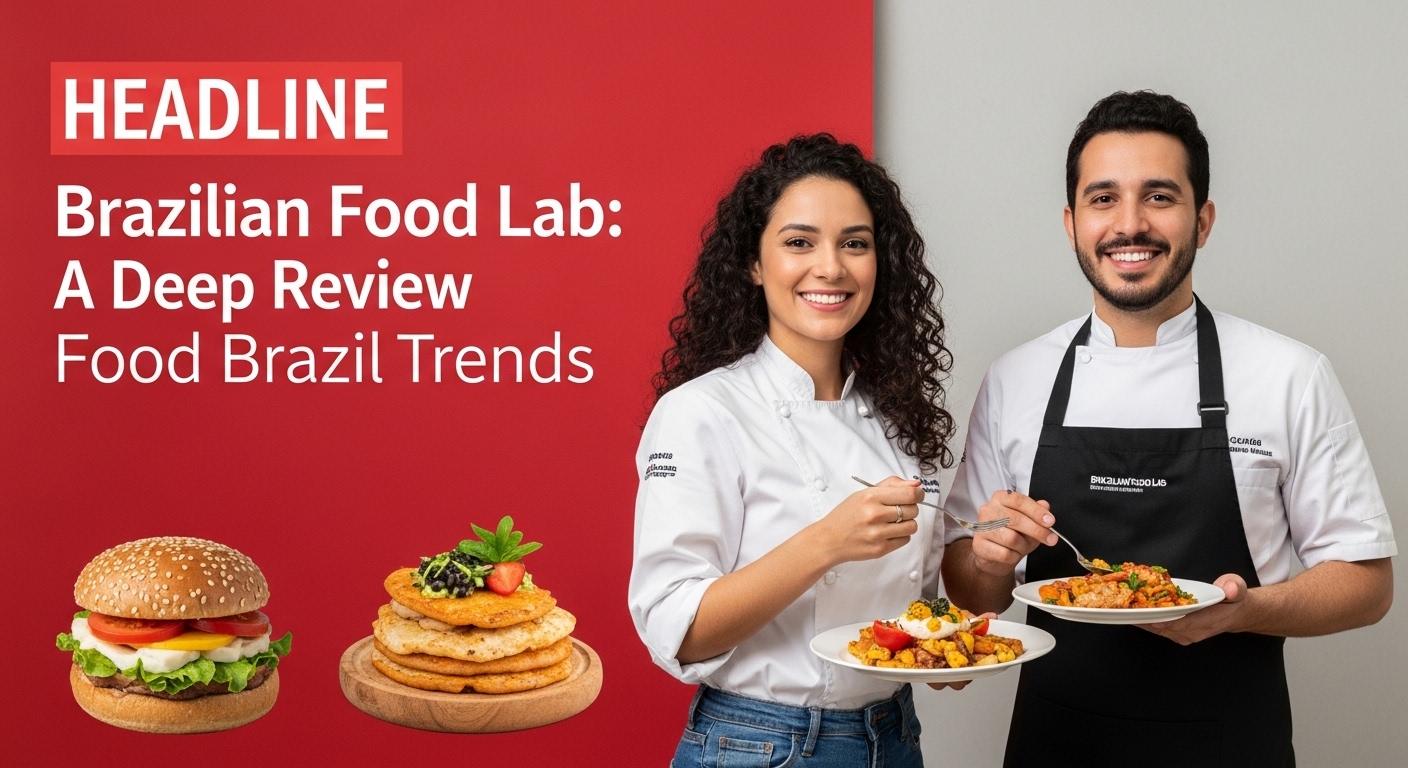
Editorial photo of Brazilian dishes including feijoada and pão de queijo on a rustic table.
Updated: April 9, 2026
In Brazil, the topic of dining Food Brazil has become a shorthand for how urban diners balance tradition with innovation, from feijoada carts beside tech-enabled marketplaces to experimental tasting menus in São Paulo’s climate-controlled glasshouses. This piece for brazilianfoodlab.com frames that evolving conversation as a system, where consumer choices, business models, and policy signals interact to shape what ends up on plates and in social rituals around them.
Context and Constraints
The Brazilian dining landscape is contending with macro pressures that ripple through every segment of the market. Inflation, currency fluctuations, and rising operating costs compress margins for casual lunch spots and premium tasting rooms alike. At the same time, urbanization continues to concentrate dining activity in major hubs like São Paulo, Rio de Janeiro, and Belo Horizonte, intensifying competition for talent, real estate, and supply chains. These forces interact with cultural expectations: Brazilians prize hospitality, regional ingredients, and the social dimension of sharing meals, which makes price sensitivity and value perception especially consequential for decision-making by both households and businesses.
Supplier networks are shifting as producers in diverse biomes—from the caiçaras of the coast to the cerrado hinterlands—seek steadier demand and fair pricing. Restaurateurs increasingly emphasize local sourcing, seasonal menus, and transparency about provenance, not only to satisfy diners but to stabilize supply across volatile periods. Policy signals—ranging from licensing procedures to tax treatment for small vendors—shape entrants’ ability to experiment with new formats, whether a pop-up in a street market or a small-format concept in a transit hub.
Within this frame, the consumer journey is also being redistributed by technology. Delivery platforms extend reach but compress prep times and influence portioning and packaging. Dine-in experiences compete with multi-format models, such as hybrid concepts that blend traditional kitchens with fast-casual interfaces. The net effect is a dining ecosystem that rewards adaptability, price discipline, and genuine cultural relevance—criteria that Brazilian operators increasingly use to calibrate risk and opportunity.
Emerging Patterns Across Regions
Regional diversity remains one of Brazil’s defining features, and it’s reflected in dining formats as well as palate preferences. In coastal and northeastern regions, seafood-forward and plant-based dishes are gaining traction as more households seek affordable, nutritious meals that can be prepared quickly or enjoyed as street-side plates. In the Southeast, where income levels and travel frequencies are higher, there is robust demand for experience-rich concepts—chef-driven menus, tasting experiences, and curated beverage programs—paired with streamlined service that keeps value for money in focus. The South shows a mix of traditional churrasco culture and modern wellness-driven menus, balancing indulgence with responsible sourcing. Across the country, informal street food remains a counterweight to formal dining, reminding operators that quick, flavorful meals tied to local identity still command strong loyalty.
These regional dynamics shape how menus are built and how labor is allocated. For example, the rise of heat-and-serve options and food halls allows small vendors to reach scale without heavy upfront investment, while neighborhood-focused bistros emphasize provenance, single-origin ingredients, and seasonal rotations to differentiate themselves. Consumers increasingly expect transparency about suppliers and sustainability, and many restaurants are responding by highlighting local farmers, fishers, and agro-industries in their storytelling, menus, and digital channels.
The delivery economy, while a driver of volume, also forces trade-offs. Operators must balance speed, packaging waste, and the integrity of textures and temperatures from kitchen to doorstep. This has accelerated investment in cold chains, standardized portioning, and ethical packaging. At the same time, it reinforces a two-tier dynamic: accessible meals that feed families and more premium experiences that reinforce brand identity and loyalty among urban professionals. The result is a dining ecosystem that rewards clear positioning and dependable execution more than novelty alone.
Business and Policy Levers
From the operator’s viewpoint, resilience hinges on a multi-pronged approach to cost, talent, and community relations. Price discipline matters, but so does format flexibility: modular menus, variable portioning, and seasonal specials that reflect both supply realities and local tastes. Restaurants that invest in staff development—robust onboarding, cross-training, and clear career paths—tend to weather turnover more effectively and deliver more consistent guest experiences. Transparent labor practices and fair compensation are not merely ethical choices; they are practical strategies for reliability in service quality and kitchen coordination.
Supply-chain resilience is increasingly a strategic priority. Establishing regional supplier networks reduces exposure to global shocks, while collaborative procurement with other operators can secure better terms for staples like rice, beans, seafood, and produce. Digital inventory and demand forecasting tools help align orders with near-term demand, reducing waste and improving margins. On the policy side, streamlined licensing, simplified permit processes for food halls and pop-ups, and targeted tax incentives for small operators can catalyze experimentation and longevity in the market, particularly for entrepreneurs from underserved communities who wish to bring authentically Brazilian flavors to more neighborhoods.
Consumer protection and sustainability are converging priorities. Restaurants increasingly publish sustainability reports, emphasize responsible sourcing, and invest in packaging that minimizes environmental impact. These choices influence brand perception among a growing cohort of environmentally conscious diners and can translate into practical advantages in talent recruitment and guest loyalty. The net effect is a feedback loop: clear value propositions anchored in local identity drive traffic while responsible practices help sustain the supply chain, communities, and culture that make Brazilian dining unique.
Actionable Takeaways
- Restaurateurs should design multi-format menus that combine value-focused offerings for everyday dining with occasional premium experiences to maintain relevance across income groups.
- Invest in local supply chains and transparent sourcing narratives to bolster reliability, reduce costs, and strengthen community ties with producers and consumers.
- Leverage technology for demand forecasting, inventory control, and sustainable packaging to improve efficiency and align with environmentally conscious diners.
- Advocate for streamlined licensing and targeted incentives at the city level to encourage small vendors and innovative concepts to thrive without compromising safety or quality.
- Encourage workforce development through structured training and clear paths to advancement, which improves service consistency and staff retention in a competitive market.
Source Context
Dining out? 5 places to eat in Golden Gate — a global trend piece illustrating how diverse dining formats are being experimented with in different markets.
Associations between food addiction symptoms — a health-context study highlighting how consumption patterns intersect with behavior and BMI, offering insight into consumer psyche around food choices.
Fogo de Chão makes its Tigard debut — a case study in how Brazilian culinary formats travel and adapt across regions, enriching the dialogue about Brazilian dining abroad.