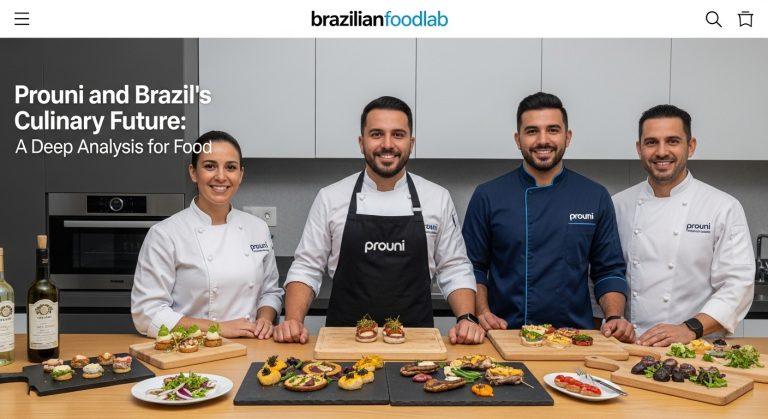
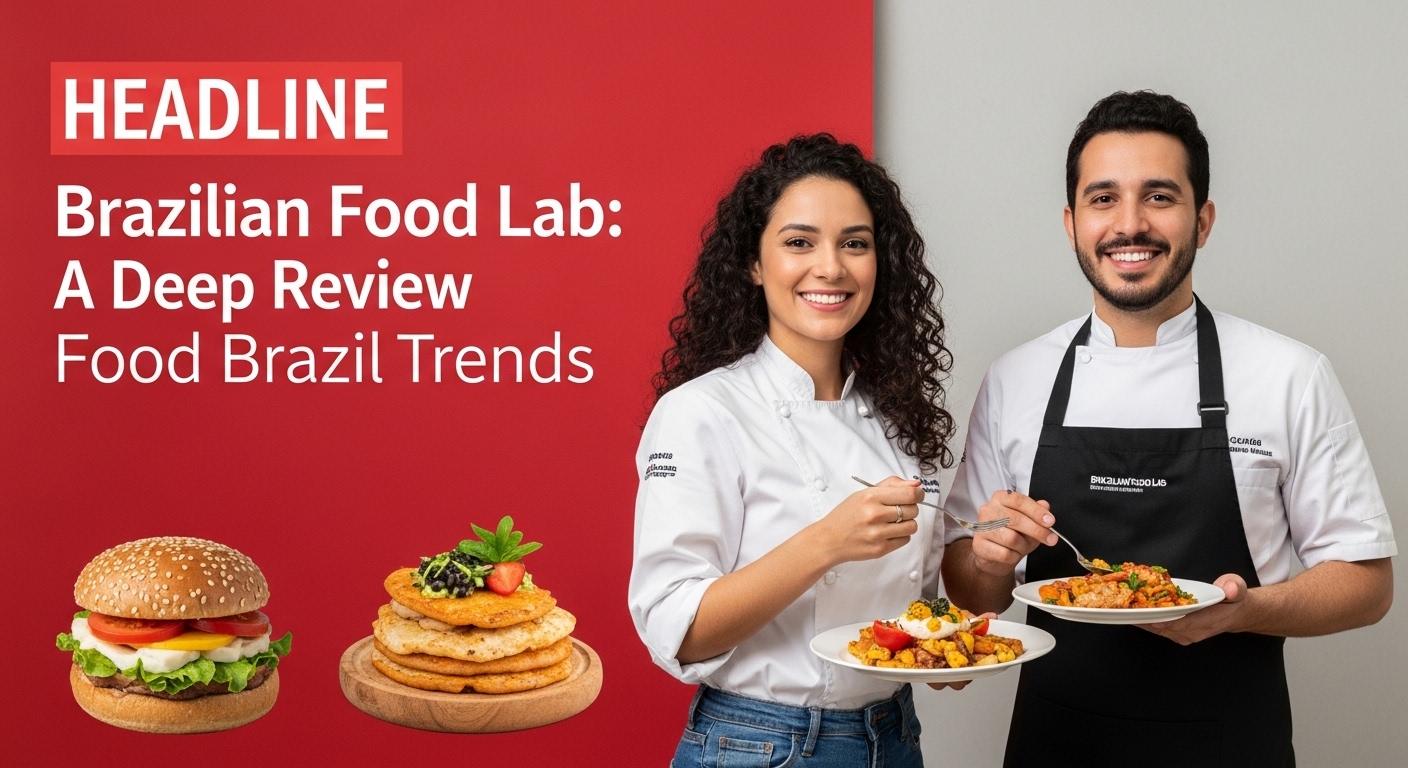
Editorial photo of Brazilian dishes including feijoada and pão de queijo on a rustic table.
Updated: April 9, 2026
Across Brazil’s vibrant kitchens, a quiet shift is redefining what counts as elegant dining: chefs are crafting elegant Food Brazil experiences that fuse precise technique with regional sensibilities, sustainability, and storytelling. This trend is not just about expensive ingredients; it’s about how a plate communicates place, be it the Amazon’s sustainable harvest, the cerrado’s biodiversity, or the coastlines’ briny catch.
Context: Brazil’s evolving refined dining scene
In major urban centers and beyond, a broader spectrum of diners seeks dining that fuses technique with place. The rise of elegant Food Brazil reflects a shift from novelty to narrative, from spectacle to sustainability. Chefs increasingly collaborate with smallholders, fishers, and biodiversity initiatives to present seasonal menus that are as much about culture as they are about taste. The expansion isn’t only geographic; it’s a redefinition of what counts as luxury in food: precision, restraint, and responsibility often carry more weight than ostentation.
For Brazil’s agricultural base—taca, açaí, cassava, native peppers—this approach creates a platform where biodiversity is a feature, not a footnote. Diners gain clarity about origin, farming practices, and the labor behind each dish. Yet elegance remains practical: portions that honor flavor while prioritizing sustainability, and service that positions the plate within a larger story.
From ingredients to plate: sourcing, technique, and design
Procuring ingredients from diverse ecosystems is central to elegant Food Brazil. Chefs partner with regional producers using transparent supply chains, enabling seasonal menus that highlight biodiversity. Techniques blend Brazilian touches—fermentation, roasting over natural woods, and precise knife work—with global sensibilities in balance, texture, and plating. Dishes are designed to engage the senses: colors echo regional landscapes, textures contrast between creamy mandioca purée and crisp leaves, and the plating respects the dish’s narrative while remaining practical for service.
Waste reduction and compostable workflows are increasingly visible: menus are structured to minimize waste, with leftover components repurposed across courses, and kitchen teams trained to measure yield and forecast demand. The design extends beyond the plate to the dining room: lighting, seating, and music choices reinforce a calm, focused experience that lets ingredients speak for themselves.
Experience and storytelling: service, ambiance, and inclusion
Elegant dining in Brazil is as much about narrative as flavor. Front-of-house teams guide guests through concept-driven menus, translating regional myths, ecological stories, and craftmanship into approachable experiences. Ambiance leans toward restrained luxury: clean lines, natural materials, and warm lighting frame the plate without overpowering it. Importantly, inclusive pricing and tiered tasting options are now common in many venues, widening access while preserving exclusivity for special occasions.
Chefs and sommeliers work together to craft beverage pairings that reflect local terroirs—caipirinha-inspired foam alongside mineral-rich Brazilian eaux-de-vie, or cachaça-driven selections paired with seafood and tropical acidity. The goal is a cohesive arc rather than a series of isolated courses, ensuring that elegance remains a function of balance, not bravado.
Future directions: sustainability, regional identity, and accessibility
The next phase of elegant Food Brazil may hinge on sustainability becoming a core capability rather than a marketing footnote. That means investments in cold chains, local training programs, and partnerships that diversify regional cuisines across the country. Authentic regional identity is likely to drive menus that celebrate the Cerrado’s textures, the Amazon’s botanicals, and the Atlantic coast’s seafood families, while maintaining universal standards of technique and hospitality.
Pricing challenges remain, but growth in mid-range formats and shared tasting experiences could expand access without diluting quality. The broader implication is a culinary ecosystem that supports rural producers, reduces waste, and invites more Brazilians to participate in refined dining as a cultural practice rather than an elite event.
Actionable Takeaways
- Prioritize local, biodiverse ingredients and transparent sourcing to ground elegance in place.
- Balance precision techniques with storytelling that contextualizes each dish within Brazilian culture.
- Offer tiered tasting options and transparent pricing to broaden access to refined dining.
- Invest in sustainable kitchen practices, waste reduction, and training pipelines for regional producers and staff.
- Design service and ambiance to complement the plate without overpowering it, focusing on hospitality as part of elegance.
Source Context
Actionable Takeaways
- Track official updates and trusted local reporting.
- Compare at least two independent sources before sharing claims.
- Review short-term risk, opportunity, and timing before acting.