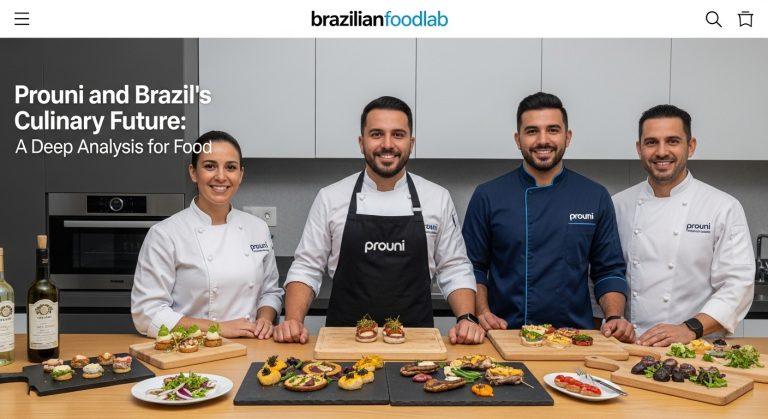
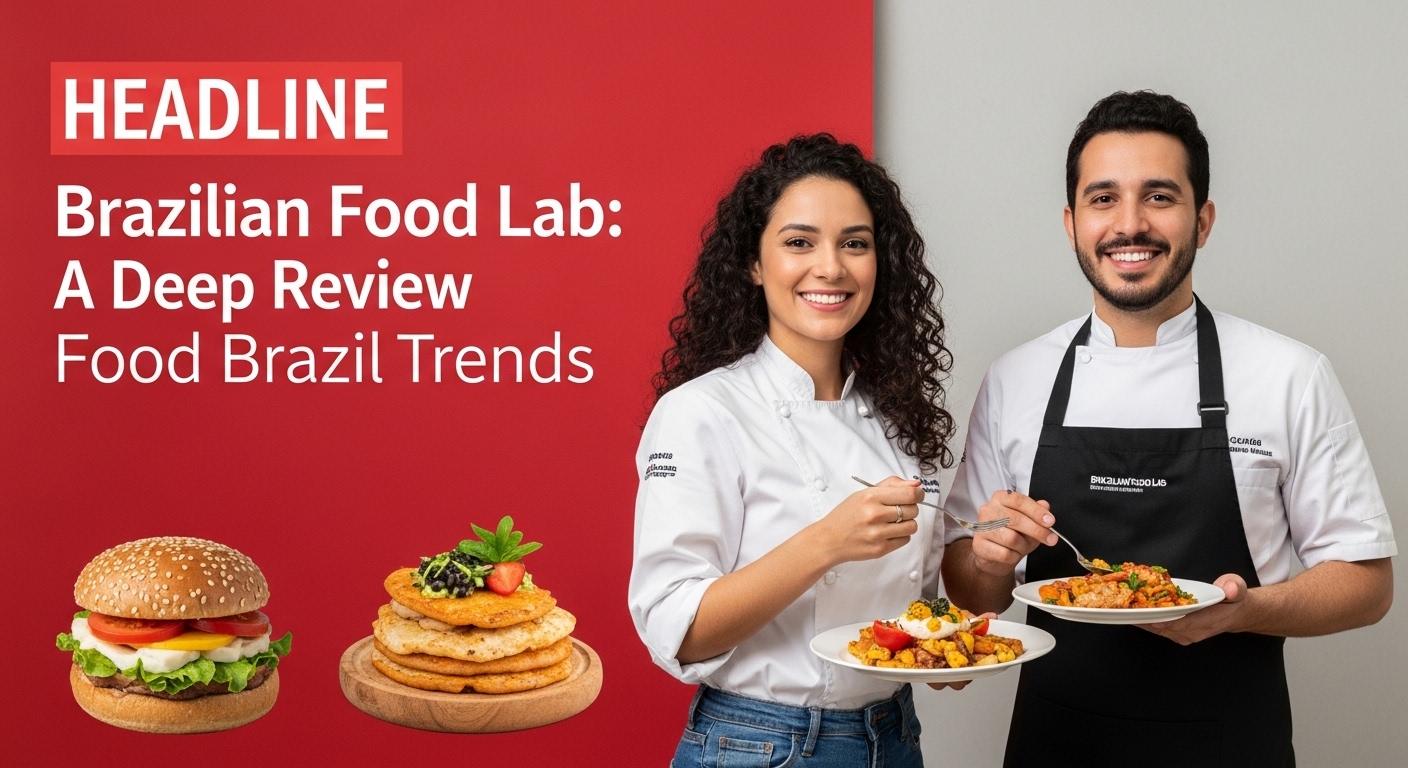
Editorial photo of Brazilian dishes including feijoada and pão de queijo on a rustic table.
Updated: April 9, 2026
In a country of diverse ecosystems and culinary migrations, the trajectory of brazil Food Brazil reveals more than taste—it’s a map of regional identities meeting global networks. From Nordeste to the favelas of Rio’s street corners to São Paulo’s haute kitchens, the food conversation mirrors economic shifts, migration patterns, and cultural negotiation as Brazil integrates into world gastronomy while defending its own traditions.
Global Trends Reshaping Brazilian Cuisine
Globalization has accelerated cross-cultural experimentation in Brazilian kitchens. Large urban centers blend traditional ingredients—manioc, cassava flour, dendê oil—with international techniques and plant-based innovations. Chefs fuse flavors from Africa, Europe, and Asia while sourcing locally grown ingredients that reduce supply-chain risk. Consumers increasingly seek transparency about sourcing, sustainability, and seasonality, pushing menus to reflect both heritage and modern dietary preferences. The rise of food-tech marketplaces, direct-to-consumer cheese, and cacao producers also channels small producers into national and export markets, changing bargaining power and price dynamics.
Regional Diversity and Local Sourcing
Brazil’s vast geography yields a pantry as varied as its language dialects. In the Amazon, tucupi and jambu—paired with manioc and fish—define regional plates; in the Northeast, dried peppers, coconut milk, and palm oil color dishes like moqueca; in the South, dairy-rich fare and smoked meats show different influences. This diversity makes regional sourcing critical for authenticity and resilience. Smallholder farms, co-ops, and street vendors form a dense network that can weather macro shocks, yet they face challenges from weather variability, currency fluctuations, and import policies that alter ingredient availability and price. The conversation now emphasizes sustainable harvesting, fair-price practices, and preserving knowledge passed through generations, even as modern kitchens translate it into scalable formats.
From Street Food to Gourmet Kitchens
Brazilian street food provides a living bridge between everyday eating and high-end cuisine. Pão de queijo, coxinha, and açaí bowls have moved from carts to curated menus in upscale restaurants, while chefs reinterpret regional snacks with contemporary plating and storytelling. The success of Brazil’s gastronomy scene hinges on balancing accessibility with quality, ensuring that the bottom-of-the-pyramid palates remain served while the market accommodates demand for premium experiences. Public and private support for culinary education and incubators helps translate homegrown know-how into business models that can scale without erasing locality. In this scenario, chefs act as cultural brokers, translating ancestral recipes into products that appeal to both Brazilian diners and international visitors without sacrificing authenticity.
Actionable Takeaways
- For restaurateurs: invest in regionally sourced menus that respect traditional techniques while embracing sustainable practices, and clearly communicate sourcing to diners.
- For consumers: support local farmers and small producers by choosing markets and direct-from-farm products when possible, and diversify tastes beyond familiar staples.
- For educators and policymakers: foster culinary arts programs that combine heritage preservation with modern food-system literacy, focusing on safety, nutrition, and supply-chain resilience.
- For exporters and retailers: build traceability and quality assurance into supply chains, and partner with cooperatives to improve bargaining power for small producers.
- For the media and researchers: spotlight regional cuisines and their adaptability, ensuring coverage includes social and environmental dimensions of food production.
Source Context
- Brazilian cuisine – Britannica
- Brazilian recipes collection – BBC Good Food
- Brazilian cuisine – TasteAtlas
From an editorial perspective, separate confirmed facts from early speculation and revisit assumptions as new verified information appears.
Track official statements, compare independent outlets, and focus on what is confirmed versus what remains under investigation.
For practical decisions, evaluate near-term risk, likely scenarios, and timing before reacting to fast-moving headlines.
Use source quality checks: publication reputation, named attribution, publication time, and consistency across multiple reports.
Cross-check key numbers, proper names, and dates before drawing conclusions; early reporting can shift as agencies, teams, or companies release fuller context.
When claims rely on anonymous sourcing, treat them as provisional signals and wait for corroboration from official records or multiple independent outlets.
Policy, legal, and market implications often unfold in phases; a disciplined timeline view helps avoid overreacting to one headline or social snippet.
Local audience impact should be mapped by sector, region, and household effect so readers can connect macro developments to concrete daily decisions.