
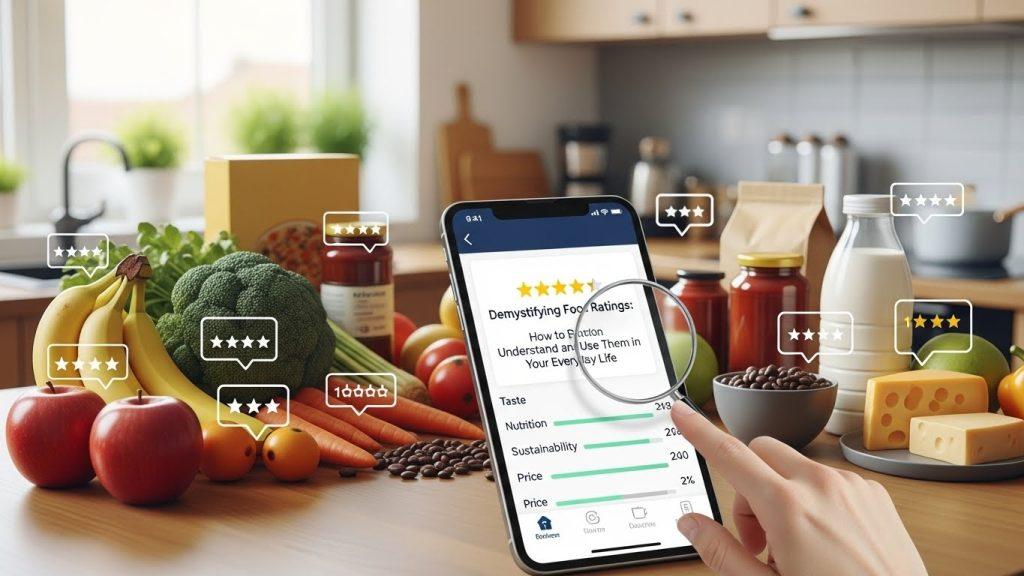
Demystifying Food Ratings: How to Understand and Use Them in Your Everyday Life
In today’s fast-paced world, food ratings have become an integral part of our dining experiences. Whether you’re grocery shopping, ordering takeout, or dining at a restaurant, these ratings offer valuable insights that can help you make informed choices. With a myriad of sources and criteria, understanding food ratings can often feel overwhelming. This guide aims to demystify food ratings and provide you with practical ways to use them effectively in your everyday life.
What Are Food Ratings?
Food ratings are evaluations of food products or dining experiences based on specific criteria. They are designed to inform consumers about the quality, taste, nutritional value, and safety of food items. These ratings can come from various sources, including consumer organizations, health authorities, and online platforms.
Types of Food Ratings
Understanding the different types of food ratings can help you make better decisions. Here are the main categories:
- Restaurant Ratings: These are evaluations based on food quality, service, ambiance, and price. Platforms like Yelp and TripAdvisor offer user-generated reviews and ratings.
- Product Ratings: Grocery items often have ratings based on taste, nutritional content, and price. Websites like Consumer Reports provide detailed analyses and ratings for various food products.
- Health and Nutrition Ratings: These ratings focus on the nutritional value and health impact of food items. Systems like the Nutri-Score and the Health Star Rating are examples of how foods are rated based on their health benefits.
- Food Safety Ratings: The FDA and other health authorities provide safety ratings and recall information for food products. Such ratings ensure that consumers are aware of any potential health risks associated with a product.

How to Interpret Food Ratings
While food ratings can provide useful information, interpreting them correctly is essential to make informed decisions. Here are some tips:
- Look for Consistency: Check multiple sources to see if a product or restaurant consistently receives high ratings. Consistency across different platforms can indicate reliability.
- Understand the Criteria: Different ratings are based on various criteria. Make sure you understand what each rating signifies. For example, a high rating on taste might not necessarily mean the product is healthy.
- Read Reviews: In addition to numerical ratings, read user reviews to gain insights into specific experiences and any potential biases.
- Consider Your Priorities: Depending on whether you prioritize taste, health, or price, focus on the ratings that align with your personal preferences and lifestyle.
The Role of Technology in Food Ratings
Technology plays a significant role in shaping food ratings today. With the advent of apps and online platforms, accessing food ratings has never been easier. Here’s how technology is transforming food ratings:
- Mobile Apps: Apps like Yelp, Zomato, and UberEats offer instant access to restaurant reviews and ratings, making it convenient to choose dining options on-the-go.
- AI and Big Data: Platforms use artificial intelligence and big data to analyze user reviews and provide more accurate ratings. This technology helps filter out fake reviews and highlight genuine user experiences.
- Social Media: Platforms like Instagram and Facebook allow users to share their dining experiences, which can influence food ratings and consumer choices.
Using Food Ratings in Everyday Life
Incorporating food ratings into your daily routine can enhance your dining experiences and help you maintain a balanced diet. Here’s how you can do it:
- Plan Your Meals: Use health and nutrition ratings to plan balanced meals that meet your dietary needs. Resources like the Choose My Plate program can guide you in making healthy choices.
- Explore New Cuisines: Restaurant ratings can help you discover new cuisines and dining experiences, expanding your culinary horizons.
- Shop Smart: Product ratings can guide you in selecting high-quality grocery items, ensuring value for money and nutritional benefits.
- Ensure Safety: Stay informed about food recalls and safety ratings to avoid health risks associated with certain food products. The FDA website is a reliable source for such information.
Challenges and Criticisms of Food Ratings
Despite their benefits, food ratings are not without challenges and criticisms. Being aware of these can help you use them more effectively:
- Bias and Manipulation: Some ratings can be biased or manipulated by businesses to improve their scores. It’s crucial to cross-reference multiple sources to get an accurate picture.
- Subjectivity: Ratings based on taste can be highly subjective, as individual preferences vary widely. What one person finds delicious, another might not enjoy.
- Inconsistent Standards: Different platforms may use varying criteria for ratings, leading to inconsistent evaluations across different sources.
- Over-Reliance on Ratings: Relying solely on ratings can limit personal exploration and discovery. It’s important to balance ratings with personal experiences and recommendations.
Takeaways
Food ratings serve as a valuable tool in navigating the vast world of culinary options. By understanding and effectively utilizing these ratings, you can enhance your dining experiences, make healthier choices, and ensure food safety. While ratings provide helpful guidance, it’s important to remain critical and mindful of their limitations. By combining ratings with personal preferences and experiences, you can make informed and satisfying food choices in your everyday life.
For more information on making smart food choices, consider exploring resources from trusted organizations like the American Heart Association. These resources offer comprehensive insights into healthy eating and food safety.
Practical Tips for Using Food Ratings
Now that we’ve discussed the importance and types of food ratings, let’s delve into some practical tips for using them effectively in your daily life:
- Customize Preferences: Many apps and websites allow you to customize your preferences. For instance, if you are a vegetarian or have dietary restrictions, you can filter restaurant options accordingly. This ensures that the ratings you see are relevant to your needs.
- Engage with the Community: Participate in online forums and communities that focus on food reviews. Platforms like Reddit have subreddits dedicated to food where you can share experiences and get recommendations from fellow food enthusiasts.
- Look for Trusted Sources: Certain sources are known for their reliability and expertise. Publications like Bon Appétit and The New York Times often provide expert reviews and ratings that can be trusted for quality recommendations.
- Monitor Trends: Keep an eye on food trends to see how ratings change over time. This can help you discover new, up-and-coming spots that are gaining popularity or old favorites maintaining their quality.
The Future of Food Ratings
As technology continues to evolve, so too will the landscape of food ratings. Here are some trends and developments to watch for:
- Blockchain Technology: The food industry is exploring blockchain to enhance transparency and authenticity in food ratings. Blockchain can provide unalterable records of ratings and reviews, ensuring credibility.
- Augmented Reality (AR): AR could revolutionize how we interact with food ratings by providing real-time information through smart glasses or phone cameras. Imagine walking into a restaurant and instantly seeing its ratings and reviews displayed around you.
- More Personalized Experiences: With advancements in AI, food rating platforms may offer even more personalized experiences by analyzing user history and preferences to suggest tailored recommendations.
- Increased Focus on Sustainability: As consumers become more conscious of sustainability, expect to see more ratings focusing on the environmental impact of restaurants and food products. This aligns with the growing trend of ethical consumerism.
Engaging with Food Ratings Responsibly
While food ratings are a valuable resource, responsible engagement is crucial. Here are some ways to interact with ratings ethically and effectively:
- Provide Honest Feedback: If you use platforms to rate and review, ensure your feedback is honest and constructive. This helps maintain the integrity of the ratings system.
- Respect Differences: Understand that food is subjective, and opinions will vary. Respect differing opinions and use them as a guide rather than a definitive judgment.
- Be Mindful of Bias: Stay aware of potential biases in reviews. Look for patterns and consistent mentions of certain aspects to get a clearer picture.
- Encourage Positive Practices: Use your consumer power to support businesses that prioritize quality, sustainability, and ethical practices. Highlight these aspects in your reviews.
Conclusion: Empowering Your Food Choices
Food ratings are more than just numbers and stars; they are tools that empower consumers to make informed decisions. By understanding how to interpret and use these ratings, you can enhance your dining experiences, explore new culinary landscapes, and maintain a healthier lifestyle. As you navigate the world of food ratings, remember to balance these insights with personal preferences and open-mindedness. Embrace the journey of discovering food that delights both the palate and the conscience.
To further enrich your understanding of food and dining, consider exploring resources from culinary experts and nutritionists. Websites like EatRight.org provide valuable information on nutrition and healthy eating habits, helping you make choices that align with your health goals.
About the Author