
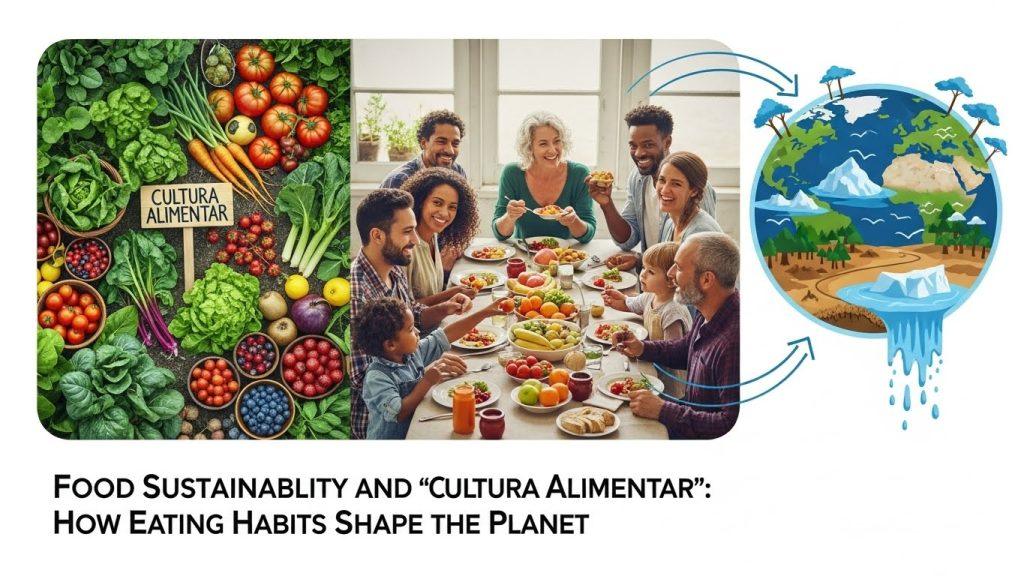
Food Sustainability and ‘Cultura Alimentar‘: How Our Eating Habits Shape the Planet
The concept of ‘Cultura Alimentar’ or ‘Food Culture’ is a profound aspect of human society that significantly influences both individual health and the global environment. As we become increasingly aware of the environmental impacts of our food choices, understanding the relationship between food sustainability and our eating habits becomes essential. This post explores the intricate connections between what we eat and the broader ecological implications, highlighting the role of ‘Cultura Alimentar’ in promoting sustainable food systems.
The Essence of ‘Cultura Alimentar’
‘Cultura Alimentar’ refers to the diverse and complex systems through which societies produce, consume, and conceptualize food. It encompasses traditional practices, culinary techniques, food-related rituals, and the socio-economic factors that influence dietary habits. This cultural framework shapes how communities interact with food and, consequently, how these interactions impact the environment.
In many parts of the world, traditional food practices are inherently sustainable. They often involve seasonal eating, local sourcing, and methods that minimize waste. For instance, the Mediterranean diet, recognized for its health benefits, is also sustainable due to its emphasis on plant-based foods, whole grains, and olive oil. Similarly, Japanese dietary practices, which prioritize fresh, locally-sourced fish and vegetables, have long been aligned with ecological principles.
The Environmental Impact of Modern Eating Habits
Modern industrialized food systems have transformed how food is produced and consumed, often with detrimental effects on the environment. The emphasis on high-yield crops, intensive animal farming, and globalized food distribution has led to significant ecological challenges. According to the United Nations, agriculture accounts for about 70% of global freshwater use and is a major driver of deforestation, biodiversity loss, and greenhouse gas emissions.

One of the most significant impacts of our current food systems is the carbon footprint associated with meat production. Livestock farming is responsible for a substantial portion of methane emissions, a potent greenhouse gas. Moreover, the conversion of forests to pastureland contributes to deforestation and habitat destruction. By contrast, plant-based diets generally have a lower environmental impact, making them more sustainable options.
Sustainable Food Practices and Their Benefits
Embracing sustainable food practices is crucial for reducing our ecological footprint. Sustainable agriculture prioritizes environmental health, economic profitability, and social equity. It involves techniques such as crop rotation, agroforestry, and organic farming, which can help maintain soil health, conserve water, and reduce pollution. The Food and Agriculture Organization highlights that sustainable practices are essential for ensuring food security and mitigating climate change.
Community-supported agriculture (CSA) models are an excellent example of sustainable food systems. These models connect consumers directly with local farmers, reducing the carbon footprint associated with long-distance food transportation. CSAs also support local economies and provide consumers with fresh, seasonal produce, fostering a deeper connection between people and their food sources.
The Role of Technology in Food Sustainability
Advancements in technology offer innovative solutions for enhancing food sustainability. Precision agriculture, for instance, utilizes data analytics, satellite imagery, and IoT devices to optimize farming practices. This approach allows farmers to apply water, fertilizers, and pesticides more efficiently, minimizing waste and environmental impact.
Moreover, the rise of plant-based and lab-grown meats provides promising alternatives to traditional animal agriculture. Companies like Beyond Meat and Impossible Foods are developing products that mimic the taste and texture of meat while reducing the ecological footprint. Furthermore, lab-grown meat technologies aim to produce meat without the associated environmental costs of conventional livestock farming.
Cultural Shifts Towards Sustainable Eating
As awareness of environmental issues grows, there is a notable cultural shift towards sustainable eating habits. Movements such as veganism, vegetarianism, and the flexitarian diet are gaining traction. These diets emphasize plant-based foods and reduce reliance on animal products, aligning with the principles of food sustainability.
Education and advocacy play vital roles in this cultural shift. Initiatives like Greenpeace campaigns and educational programs in schools are crucial for raising awareness and promoting sustainable food choices. These efforts empower individuals to make informed decisions about their diets, contributing to positive environmental change.
The Global Perspective on Food Sustainability
Food sustainability is a global challenge that requires international cooperation. The World Bank emphasizes the need for policies that support sustainable agriculture, reduce food waste, and promote equitable access to nutritious food. International agreements such as the Paris Agreement also recognize the importance of sustainable food systems in combating climate change.
Different countries are adopting various strategies to address food sustainability. In Denmark, for example, government policies encourage organic farming and reduce food waste through public awareness campaigns. Meanwhile, in Brazil, agroecology initiatives focus on sustainable land management and biodiversity conservation.
Conclusion: Shaping a Sustainable Future Through ‘Cultura Alimentar’
Our eating habits have profound implications for the planet, and the concept of ‘Cultura Alimentar’ offers valuable insights into promoting food sustainability. By embracing traditional food practices, adopting sustainable agricultural methods, and leveraging technological innovations, we can reshape our food systems for a healthier planet. As individuals and communities, we have the power to make informed choices that align with environmental goals, ensuring a sustainable future for generations to come.
The journey towards sustainable eating is a collective effort, requiring collaboration between governments, organizations, and individuals. By understanding the cultural dimensions of food and embracing sustainable practices, we can contribute to a more equitable and environmentally-friendly food system. As we move forward, let us celebrate the diversity of ‘Cultura Alimentar’ and its potential to shape a sustainable future for all.
Empowering Local Communities for Greater Impact
Local communities play a crucial role in advancing food sustainability. By fostering a sense of ownership and responsibility, communities can initiate grassroots movements that promote sustainable practices. Urban gardening projects, for instance, allow city dwellers to grow their own food, thus reducing the dependence on industrially produced goods and lowering transportation emissions. These initiatives not only enhance food security but also create greener urban spaces and strengthen community bonds.
Furthermore, community education programs can raise awareness about the importance of sustainable food choices. Workshops on topics like composting, seasonal eating, and plant-based cooking can equip individuals with the knowledge and skills needed to make environmentally conscious decisions. By fostering a culture of sustainability, communities can drive significant change from the ground up.
The Role of Policy and Legislation in Food Sustainability
Government policies and legislation are pivotal in shaping sustainable food systems. Regulations that incentivize sustainable farming practices, such as subsidies for organic farming or penalties for excessive emissions, can encourage farmers to adopt more eco-friendly methods. Additionally, policies aimed at reducing food waste, such as those that support food donation programs or mandate food labeling standards, can have a substantial impact.
At the international level, collaboration is key. Trade agreements and global standards can facilitate the exchange of sustainable practices between nations. By working together, countries can address the challenges of food sustainability on a global scale, ensuring that efforts are not isolated but part of a cohesive strategy to protect the planet.
The Importance of Consumer Awareness and Responsibility
Ultimately, consumer choices drive the demand that shapes food production systems. As consumers become more aware of the environmental impacts of their diets, they can influence the market towards more sustainable options. Labels such as “organic,” “fair trade,” and “sustainably sourced” provide consumers with the information needed to make informed choices.
Social media and digital platforms have become powerful tools for spreading awareness and advocating for sustainable food practices. Influencers and activists can reach broad audiences, encouraging them to rethink their food choices and adopt more sustainable habits. By harnessing the power of technology, consumers can become educated and empowered to make decisions that align with their values and environmental goals.
Integrating ‘Cultura Alimentar’ in Educational Curricula
Education is a cornerstone of cultural and behavioral change. Integrating ‘Cultura Alimentar’ into educational curricula can instill an appreciation for food sustainability from a young age. Schools can incorporate lessons on nutrition, environmental science, and cultural food practices, helping students understand the interconnectedness of food systems, health, and the environment.
Experiential learning opportunities, such as school gardens or cooking classes, can enhance this education by providing hands-on experiences. These activities not only teach practical skills but also foster a deeper connection to food and its origins. By prioritizing food education, we can cultivate a generation that values sustainability and is equipped to tackle the environmental challenges of the future.
Looking Forward: Innovations and Future Trends
The future of food sustainability is shaped by ongoing innovations and emerging trends. Vertical farming, for example, presents a promising solution for urban areas with limited space. By growing crops in vertically stacked layers, this method can maximize space efficiency and reduce the need for pesticides and fertilizers.
Another exciting development is the exploration of alternative protein sources. Edible insects, algae, and mycoprotein are being researched as sustainable protein alternatives that require fewer resources than traditional livestock. These innovations have the potential to transform our food systems, making them more resilient and less dependent on resource-intensive practices.
As we continue to innovate and adapt, it is crucial to remain committed to the principles of sustainability and cultural awareness. By embracing both technological advancements and traditional wisdom, we can pave the way for a more sustainable and culturally rich food future.
Conclusion: A Shared Responsibility for a Sustainable Tomorrow
The journey towards food sustainability is a shared responsibility, requiring collective action from individuals, communities, governments, and organizations. By understanding the profound impact of our eating habits on the planet, we can make choices that align with both cultural values and environmental goals. ‘Cultura Alimentar’ provides a framework for appreciating and promoting sustainable food practices, allowing us to celebrate diversity while protecting our natural resources.
As we move forward, let us continue to educate, innovate, and collaborate, ensuring that our food systems are equitable, resilient, and sustainable. Together, we can shape a future where food nourishes not only our bodies but also the planet, fostering a harmonious relationship between humanity and nature.
About the Author