
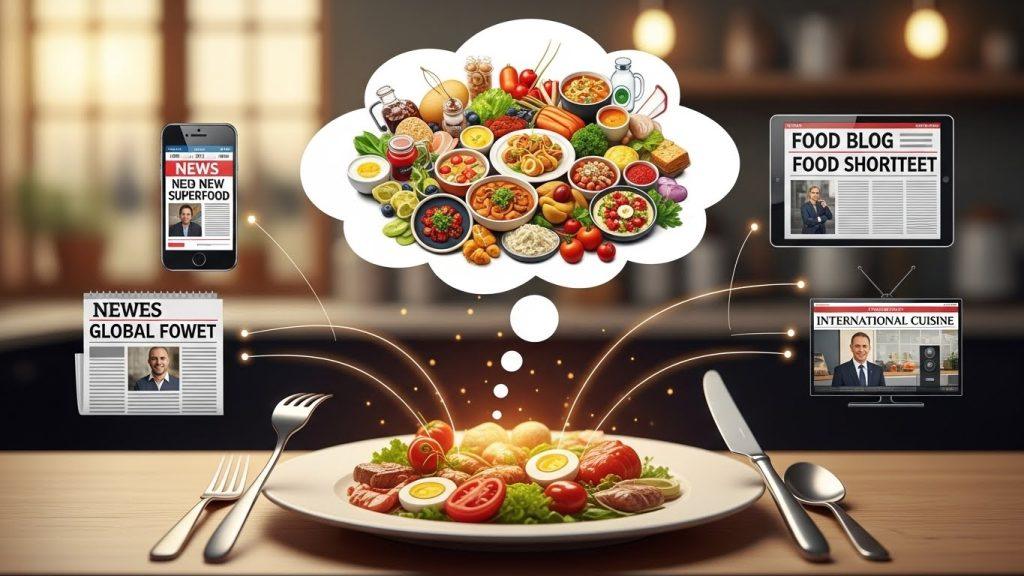
How Global Food News is Shaping Our Everyday Meal Choices
In today’s interconnected world, the way we consume food is influenced by an array of factors, not least of which is the constant stream of global food news. From sustainability practices to dietary trends and health concerns, the impact of media on our meal choices is profound. As we become more aware of what we eat, global food news plays a pivotal role in shaping our daily diets. This article delves into how these news stories influence our choices and what it means for our eating habits.
The Rise of Sustainable Eating
One of the most significant trends in recent years is the shift towards sustainable eating. As global sustainability efforts gain traction, media channels are increasingly highlighting the importance of sustainable food sources. This coverage has led to a rise in consumer interest in plant-based diets, organic produce, and locally sourced foods.
For instance, the popularity of plant-based diets is a direct response to news emphasizing the environmental impact of meat production. Reports from renowned organizations and environmental activists have shed light on how reducing meat consumption can significantly lower carbon footprints, a message that resonates with eco-conscious consumers. As a result, we are witnessing a burgeoning market for meat alternatives, from soy-based products to innovative lab-grown meats.
Health Trends and Dietary Changes
Another major influence of global food news is on health trends and dietary changes. With constant updates on health studies and nutritional research, consumers are more informed than ever about the impacts of their dietary choices. News outlets often report on the latest World Health Organization guidelines and recommendations, which subsequently affect public perception and consumption habits.

For example, the increasing focus on reducing sugar intake has spurred a demand for low-sugar and sugar-free products. Similarly, the growing awareness of gluten intolerance and celiac disease has led to a surge in gluten-free options in supermarkets. These shifts underscore how media coverage can directly influence what people choose to eat.
Cultural Exchange and Global Cuisine
Global food news has also enhanced the exchange of culinary traditions across borders. As cultures become more intertwined, people are exposed to a wider variety of culinary experiences. This exposure is partly due to the media spotlight on diverse cuisines and cooking techniques from around the world.
The popularity of international food festivals and cooking shows that highlight global cuisines has encouraged people to experiment with new recipes at home. Furthermore, the rise of food influencers and bloggers who explore international dishes has contributed to this trend. As a result, dishes like sushi, tacos, and curry have become commonplace in many households, symbolizing the diverse culinary landscape shaped by global food news.
Impact of Food Scandals and Safety Concerns
Food safety concerns often dominate headlines, influencing consumer behavior and meal choices significantly. Incidents such as contamination, recalls, or ethical issues in food production can lead to widespread changes in consumption patterns. When news of such incidents breaks, there’s often a noticeable shift in consumer preferences towards perceived safer options.
For example, outbreaks linked to contaminated produce or meat have historically led to increased demand for organic and locally sourced products. The media’s role in disseminating information about food safety standards and potential risks cannot be understated, as it directly affects consumer trust and purchasing decisions.
Technological Advancements in Food Production
As technology continues to evolve, so too does the way we produce and consume food. Advances in food technology often make headlines, highlighting innovations such as genetically modified organisms (GMOs), vertical farming, and lab-grown meat. These developments are frequently covered by media outlets, influencing public perception and acceptance.
News about the potential benefits and risks of GMOs, for instance, has sparked debates and influenced consumer preferences. People are progressively seeking out non-GMO labels, impacting the production and marketing strategies of food companies worldwide. Similarly, the coverage of vertical farming highlights its potential to provide fresh produce in urban areas, encouraging consumers to support such initiatives.
Conclusion: Navigating the Influence of Global Food News
In conclusion, global food news plays a crucial role in shaping our everyday meal choices. From promoting sustainability and health-conscious diets to introducing new culinary experiences and addressing safety concerns, the media significantly influences how and what we eat. As consumers become more informed and aware, the responsibility of media outlets to provide accurate and balanced reporting is more important than ever.
Staying informed through reputable sources such as the Food and Agriculture Organization and other high-authority platforms helps consumers make better-informed decisions about their diets. As we continue to navigate the ever-evolving landscape of global food news, it is essential to critically evaluate the information presented and consider its implications on our health and the environment.
Influence of Celebrity Chefs and Food Personalities
In the modern era, celebrity chefs and food personalities have become influential figures in the culinary world. Their presence in global food news has a profound impact on consumer choices and food trends. With platforms like television, social media, and cookbooks, these personalities shape menus and inspire home cooks worldwide.
For instance, chefs like Jamie Oliver and Gordon Ramsay have popularized healthy eating and cooking techniques that appeal to a broad audience. Their emphasis on fresh ingredients, balanced diets, and simplicity in cooking has encouraged many to adopt similar practices in their kitchens. Additionally, these chefs often advocate for sustainable and ethical food sourcing, aligning with the growing demand for transparency in food production.
The Role of Social Media in Food Trends
Social media platforms have revolutionized the way food trends are disseminated and adopted. Viral food videos, Instagram-worthy dishes, and food challenges are examples of how quickly trends can spread across the globe. Platforms like Instagram, TikTok, and YouTube have become powerful tools for influencing food culture, with users constantly seeking the next big food trend.
Social media has not only democratized food trends but also provided a platform for niche communities to thrive. For instance, vegan and plant-based communities have flourished online, sharing recipes, tips, and news that further influence mainstream dietary practices. The rapid sharing of food content on social media ensures that trends reach a wide audience, often leading to increased demand for specific ingredients or cuisines.
Economic Factors and Food Accessibility
Global food news frequently highlights economic factors that affect food accessibility and affordability. Issues such as inflation, trade policies, and supply chain disruptions can significantly impact the availability and cost of food. As these topics make headlines, they raise awareness about the challenges certain populations face in accessing nutritious and affordable meals.
For example, reports on rising food prices can lead consumers to seek alternative or budget-friendly options, while coverage of local food banks and community gardens can inspire support for these initiatives. Understanding the economic forces at play helps consumers make informed decisions and fosters a greater appreciation for the complexities of global food systems.
Educational Initiatives and Informed Choices
Educational initiatives often accompany global food news, empowering consumers to make informed choices about their diets. Public health campaigns, documentaries, and informative articles aim to educate the public on topics such as nutrition, food safety, and environmental impact.
Organizations like the Academy of Nutrition and Dietetics provide resources and guidelines that help individuals understand the nutritional value of different foods and how to balance their diets. These educational efforts are crucial in countering misinformation and promoting healthy eating habits.
The Future of Food in Media
As global food news continues to evolve, its influence on our meal choices will undoubtedly persist. The future of food in media will likely see an increased focus on technology-driven solutions, such as AI in agriculture, personalized nutrition, and the integration of sustainability into mainstream food practices.
As media coverage expands to include these innovations, consumers will have access to a wealth of information that can guide their choices. The challenge will be to navigate this information landscape critically, discerning credible sources from sensationalized stories.
In conclusion, the interplay between global food news and our everyday meal choices is intricate and multifaceted. As we move forward, staying informed, exploring diverse cuisines, and making conscious choices will be key to embracing a healthier and more sustainable food future.
Challenges in Navigating Global Food News
While the influence of global food news is undeniable, navigating this vast sea of information comes with its challenges. The proliferation of digital media means that not all news sources are created equal, and misinformation can spread just as quickly as factual reporting. This poses a significant challenge for consumers attempting to make informed choices based on news headlines and articles.
One common issue is the sensationalism of food trends or health scares, which can lead to confusion and mistrust. For example, conflicting reports on the health benefits or risks of certain foods like coffee or eggs can leave consumers unsure of what to believe. This highlights the importance of consulting multiple sources and relying on established health organizations for guidance.
The Importance of Critical Media Literacy
To effectively utilize global food news, consumers must develop critical media literacy skills. This involves the ability to analyze and evaluate the credibility of different sources, as well as understanding the context in which information is presented. Critical media literacy empowers individuals to discern between evidence-based reporting and sensationalized stories.
Educational programs and public awareness campaigns that focus on media literacy can play a pivotal role in helping consumers navigate the complexities of food news. By promoting critical thinking and providing tools for evaluating information, these initiatives can foster a more informed and discerning public.
Community Engagement and Local Food Movements
In response to the global nature of food news, there is a growing movement towards community engagement and support for local food systems. Local food movements emphasize the importance of knowing where food comes from and building connections with local farmers and producers. This shift towards community-driven food systems is often highlighted in media coverage, inspiring consumers to support local agriculture and reduce their carbon footprint.
Community-supported agriculture (CSA) programs, farmers’ markets, and urban gardening initiatives are examples of how individuals can engage with their local food systems. These movements not only provide fresh and seasonal produce but also foster a sense of community and sustainability. Media coverage of these initiatives helps to raise awareness and encourage participation, ultimately leading to more resilient and self-sufficient food systems.
Conclusion: Embracing a Balanced Approach
As we conclude our exploration of how global food news shapes our everyday meal choices, it is clear that a balanced approach is essential. By combining awareness of global trends with local community engagement, consumers can make informed decisions that align with their values and dietary needs.
The responsibility lies not only with consumers but also with media outlets to provide accurate, balanced, and comprehensive reporting. By prioritizing credible sources, promoting media literacy, and supporting local food systems, we can navigate the complex world of global food news with confidence and clarity.
Ultimately, the goal is to foster a more conscious and informed approach to eating, one that considers the myriad factors influencing our food choices and embraces the diversity of global culinary traditions. As the landscape of global food news continues to evolve, staying informed and adaptable will be key to making sustainable and health-conscious meal choices in our daily lives.
About the Author