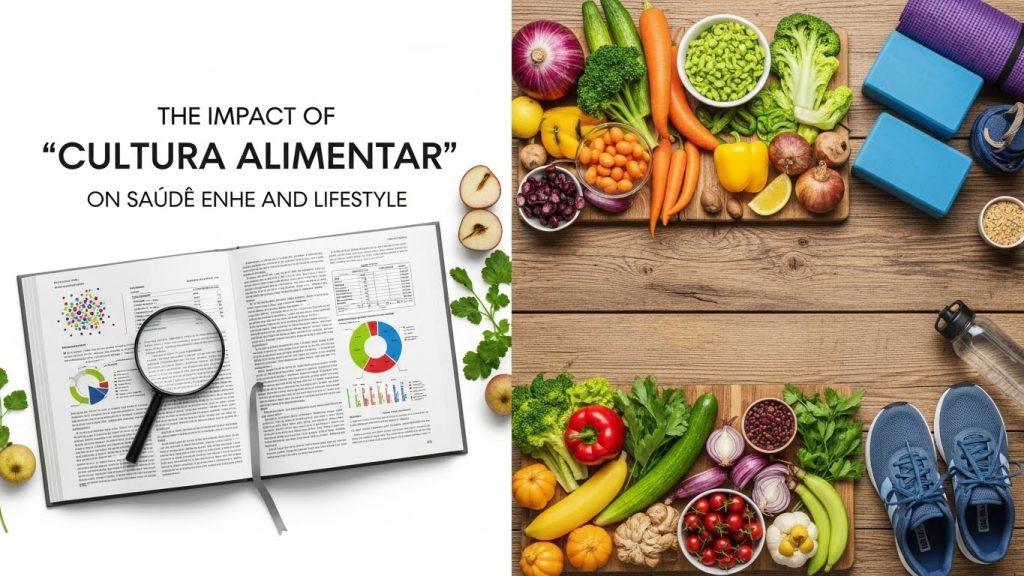
The Impact of “Cultura Alimentar” on Health and Lifestyle: A Comprehensive Analysis
The concept of “cultura alimentar,” or food culture, goes beyond merely what we eat. It encompasses a complex system of traditions, beliefs, and practices that govern our food choices and how we prepare, share, and consume food. This cultural phenomenon has profound implications for health and lifestyle, influencing everything from nutritional intake to social interactions. In this comprehensive analysis, we will delve into the various aspects of “cultura alimentar” and examine its impact on our daily lives.
Understanding “Cultura Alimentar”
“Cultura alimentar” is an integral part of our identity and heritage. It is a reflection of our history, geography, and economic conditions. The foods we consume and how we prepare them tell a story about who we are, where we come from, and what we value. This cultural dimension of food is significant not only for individual identity but also for community cohesion.
For example, Mediterranean cultures emphasize fresh, seasonal ingredients and communal dining experiences, which have been linked to positive health outcomes. On the other hand, fast-paced urban environments might prioritize convenience, resulting in different dietary habits that may not always align with traditional health practices.
The Role of “Cultura Alimentar” in Health
The link between diet and health is well-established, but “cultura alimentar” adds another layer to this relationship. Traditional diets often incorporate a balance of macronutrients and micronutrients that support overall health. For instance, the World Health Organization highlights the benefits of diets rich in fruits, vegetables, whole grains, and lean proteins, all of which are cornerstones of many traditional food cultures.

Furthermore, food culture influences eating behaviors, such as portion sizes and meal frequency, which can affect metabolic health. Traditional eating patterns often include smaller, more frequent meals, which can aid in maintaining stable blood sugar levels and managing weight.
Conversely, the adoption of Westernized diets, characterized by high levels of processed foods and sugars, has been associated with increased rates of obesity and non-communicable diseases. This shift can disrupt traditional “cultura alimentar” and contribute to health challenges.
Social and Psychological Implications of “Cultura Alimentar”
Beyond physical health, “cultura alimentar” also plays a crucial role in social and psychological well-being. Meals are often central to social gatherings, serving as opportunities for connection and communication. This communal aspect of food can strengthen family bonds and community ties.
Psychologically, engaging with one’s food culture can promote a sense of belonging and identity. For instance, participating in traditional cooking practices or celebrating cultural food festivals can enhance emotional well-being and reduce stress. According to Psychology Today, cultural practices, including food traditions, can significantly impact mental health by fostering a sense of community and resilience.
“Cultura Alimentar” and Lifestyle Choices
“Cultura alimentar” influences lifestyle choices in various ways. It dictates not only what we eat but how we procure, prepare, and share food. These practices can significantly affect our daily routines and lifestyle habits.
For example, cultures that value home-cooked meals may spend more time sourcing fresh ingredients and preparing dishes from scratch. This practice can promote healthier eating habits and reduce reliance on processed foods. Moreover, the act of cooking and sharing meals can be a form of self-care and mindfulness, contributing to a balanced lifestyle.
In contrast, the fast-food culture prevalent in many urban areas prioritizes convenience and speed, often at the expense of nutritional quality. This shift in “cultura alimentar” can lead to poorer dietary choices and impact overall lifestyle and health negatively.
Challenges and Opportunities
Preserving and promoting traditional “cultura alimentar” in the face of globalization and modernization presents both challenges and opportunities. While global influences can introduce new flavors and ingredients, they can also lead to the erosion of traditional food practices.
Efforts to maintain food culture can involve community initiatives, education, and policy interventions. For instance, promoting local food systems and supporting farmers’ markets can help sustain traditional agricultural practices and provide access to fresh, nutritious foods.
Educational programs that teach cooking skills and the cultural significance of food can empower individuals to make informed dietary choices and appreciate their food heritage. According to the Food and Agriculture Organization, such initiatives can play a crucial role in fostering food literacy and cultural awareness.
Takeaways
In conclusion, “cultura alimentar” is a multifaceted concept that significantly impacts health and lifestyle. It encompasses not only the foods we eat but the traditions and practices surrounding food. Understanding and appreciating this cultural dimension can enhance our health, strengthen social bonds, and enrich our lives.
As we navigate the challenges of modern living, embracing “cultura alimentar” can offer a pathway to more sustainable and fulfilling food practices. By valuing and preserving our food heritage, we can promote better health outcomes and a deeper connection to our communities and environments.
The journey to understanding and integrating “cultura alimentar” into our lives is ongoing, offering endless opportunities for exploration and growth. As we continue to learn and adapt, we can cultivate a richer and more meaningful relationship with the food we eat and the culture it represents.
Practical Steps to Integrate “Cultura Alimentar” in Daily Life
Integrating “cultura alimentar” into daily life can be a rewarding experience that enhances well-being and fosters a deeper connection with one’s heritage. Here are some practical steps to weave these cultural practices into your routine:
Embrace Traditional Cooking Techniques
One of the most effective ways to connect with your food culture is by learning and applying traditional cooking methods. These techniques often involve unique preparation and cooking styles that have been passed down through generations. Whether it’s mastering the art of making pasta from scratch or fermenting vegetables in the traditional way, these practices can enrich your culinary skills and deepen your appreciation for cultural heritage.
Support Local and Seasonal Food
Choosing locally sourced and seasonal ingredients can help sustain traditional food systems and reduce the environmental impact of food production. Visiting farmers’ markets and participating in community-supported agriculture (CSA) programs can provide access to fresh, high-quality produce while supporting local farmers. The Natural Resources Defense Council emphasizes the benefits of eating locally, including fresher taste and reduced carbon footprint.
Participate in Cultural Food Events
Engaging in cultural food festivals, workshops, and events can provide insight into the diverse culinary practices within your community. These events offer opportunities to taste traditional dishes, learn new recipes, and celebrate cultural diversity. Such participation not only fosters a sense of community but also enhances one’s understanding of different food cultures.
Educate and Share with Others
Sharing your knowledge and experiences related to “cultura alimentar” can inspire others to explore their own food heritage. Hosting cooking classes, potluck dinners, or cultural nights can facilitate the exchange of ideas and promote cultural awareness. This communal sharing can strengthen social bonds and create a supportive network for those interested in exploring traditional food practices.
Reflect on Personal Food Choices
Taking the time to reflect on your food choices and their cultural significance can lead to more mindful eating habits. Consider the origins of the ingredients you use, the cultural context of your meals, and the traditions you wish to preserve. This reflective practice can encourage a more intentional approach to food, aligning your dietary habits with cultural values and health goals.
The Future of “Cultura Alimentar”
As we look to the future, the role of “cultura alimentar” is poised to evolve in response to changing environmental, social, and economic conditions. While globalization and technological advancements present challenges to traditional food practices, they also offer opportunities for innovation and adaptation.
Integrating technology with traditional food culture can lead to new culinary experiences and sustainable practices. For instance, digital platforms can facilitate the sharing of recipes and cultural stories, connecting people across the globe. Additionally, advances in sustainable agriculture and food production can support the preservation of traditional crops and cooking methods.
Policymakers and community leaders have a crucial role in supporting “cultura alimentar” through initiatives that prioritize food education, local food systems, and cultural heritage preservation. By fostering an environment that values food diversity and cultural expression, we can ensure that “cultura alimentar” remains a vibrant and integral part of our lives.
Conclusion: Embracing a Rich Culinary Heritage
“Cultura alimentar” offers a rich tapestry of flavors, traditions, and practices that enrich our lives and enhance our well-being. By embracing and integrating these cultural dimensions into our daily routines, we can promote health, strengthen community ties, and celebrate the diversity that makes our culinary heritage unique.
As we continue to navigate the complexities of modern life, “cultura alimentar” serves as a reminder of the importance of connection—both to our food and to each other. By valuing this cultural legacy, we can pave the way for a healthier, more inclusive, and sustainable future for generations to come.
The journey of exploring and preserving “cultura alimentar” is one of discovery and celebration. It invites us to honor our past, cherish our present, and shape a future that nourishes both body and soul.
About the Author