Top 10 Criteria for Evaluating Food Quality: What to Look For
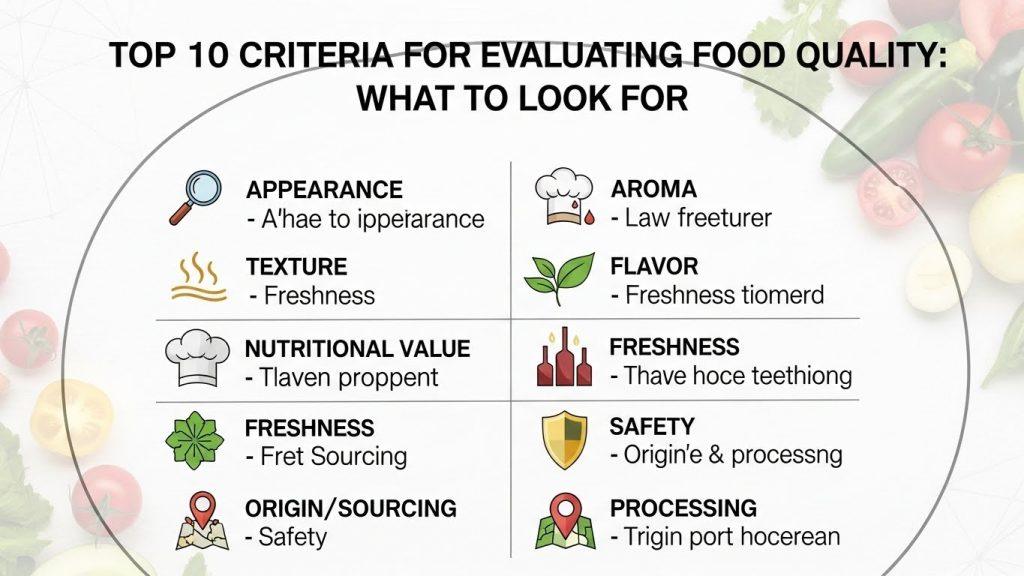
In the realm of culinary arts and food science, understanding what constitutes high-quality food is essential. Whether you’re a chef, a food critic, or simply a conscious consumer, knowing how to evaluate food quality can enrich your dining experiences and ensure you make informed choices. This comprehensive guide discusses the top 10 criteria for evaluating food quality, offering insights and tips for each aspect.
1. Freshness
Freshness is often the first criterion people consider when assessing food quality. Fresh foods, particularly fruits and vegetables, contain the highest levels of nutrients and flavors. To determine freshness, look for vibrant colors, firm textures, and pleasant aromas. For example, fresh fish should have a mild scent and clear eyes. Understanding seasonal produce can also help in selecting the freshest options available.

Learn more about identifying fresh produce on Choose My Plate.
2. Nutritional Value
Nutritional value is a critical component of food quality. High-quality foods are rich in essential vitamins, minerals, and other nutrients necessary for good health. Evaluating the nutritional content involves checking the food label for macro and micronutrients and understanding the recommended daily values. Foods that are minimally processed tend to retain more of their natural nutrients.
For a deeper dive into nutrition, visit Nutrition.gov.
3. Flavor
Flavor is a complex criterion comprising taste and aroma. High-quality food should have a balanced and appealing flavor profile. In tasting, the interplay of sweetness, sourness, bitterness, saltiness, and umami should be harmonious. Aromas should be pleasant and indicative of the food type. For instance, a ripe tomato should smell earthy and sweet.
4. Texture
Texture refers to the feel of food in the mouth, which can significantly impact overall quality. Food should have the appropriate texture for its type; for example, bread should be light and airy inside with a crisp crust. Texture can indicate freshness and the quality of preparation methods.
5. Appearance
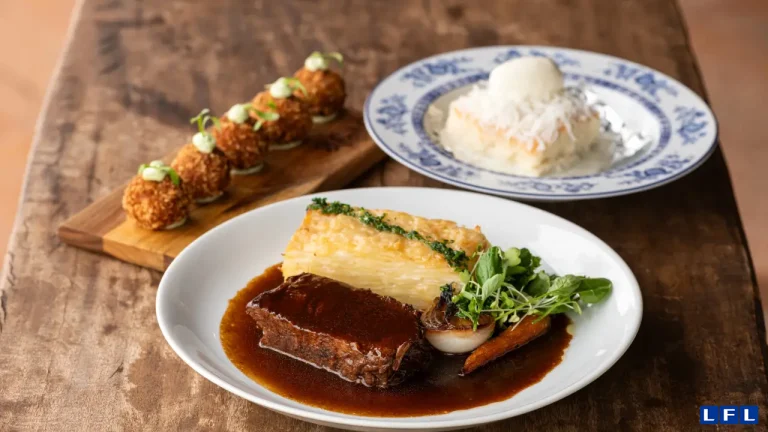
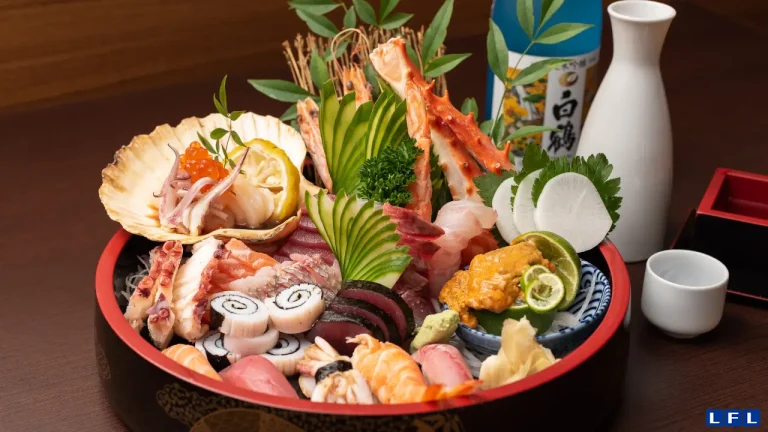
Presentation is essential, especially in the culinary industry. The appearance of food includes its color, shape, and arrangement on a plate. High-quality food should look appetizing, with an appealing color that indicates freshness and proper cooking techniques.
Explore more on food presentation techniques at Culinary Schools.
6. Safety
Food safety is non-negotiable when evaluating food quality. Safe food is free from harmful bacteria, parasites, and chemical contaminants. Ensuring safety involves proper storage, handling, and preparation practices. It is vital to check expiration dates and understand foodborne illness prevention methods.
For more information on food safety practices, visit FoodSafety.gov.
7. Sustainability
With growing environmental concerns, sustainability has become a significant factor in food quality evaluation. Sustainable foods are those produced with minimal environmental impact, often supporting local economies and biodiversity. Look for foods with sustainability certifications, such as organic or fair trade labels.
8. Origin
The origin of food can influence its quality, affecting factors like flavor and nutritional value. High-quality foods often come from regions where they are traditionally grown or produced. For example, authentic Parmigiano-Reggiano cheese should come from specific provinces in Italy. Knowing the origin can also ensure the authenticity of certain food products.
9. Ethical Production
Ethical production practices are increasingly important to many consumers. This involves fair labor practices, animal welfare, and environmentally friendly farming methods. Foods that are ethically produced often carry certifications and labels that assure consumers of their ethical standards.
10. Shelf Life
Shelf life is crucial in determining the longevity and usability of food products. High-quality foods should have a reasonable shelf life without excessive use of preservatives. Understanding proper storage techniques can also help extend the shelf life of certain foods, maintaining their quality over time.
Takeaways
Evaluating food quality involves a multidimensional approach, considering factors like freshness, nutritional value, flavor, texture, and more. By applying these criteria, you can make informed decisions that enhance your dining experiences and contribute to a healthier lifestyle. Whether you’re shopping for groceries or dining out, keeping these top 10 criteria in mind will guide you in selecting foods that are not only delicious but also nutritious and ethically produced.
About the Author