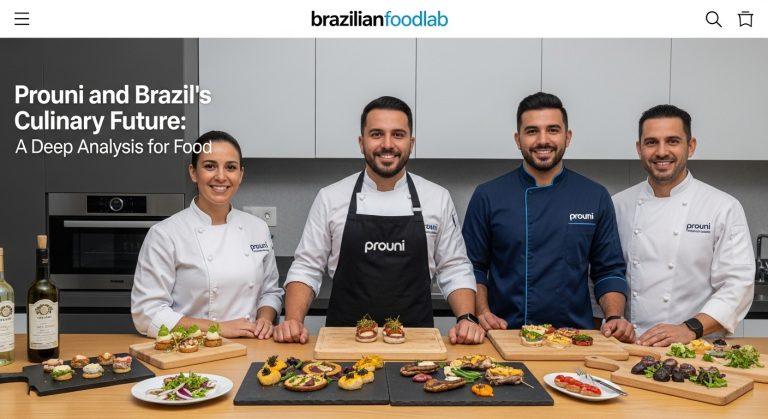
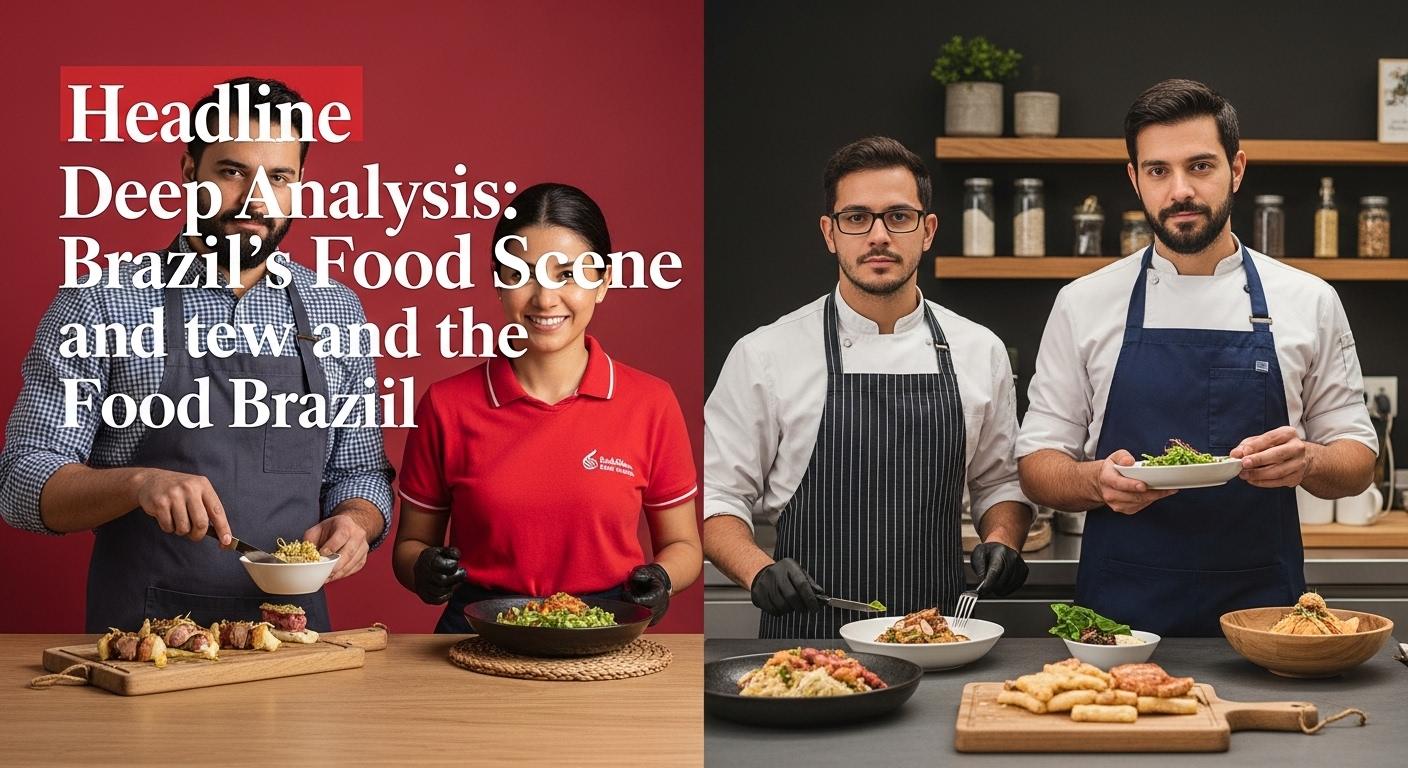
Colorful Brazilian foods and market scene with feijoada pot, pão de queijo, and fresh frutas.
Updated: April 9, 2026
In a country where street markets burst with color and cassava flour is a staple, climate and global markets increasingly shape what Brazilians eat. This deep-analysis explores how weather swings, floods, and supply-chain shifts influence Brazilian ingredients and cooking, with practical insight for readers who search Food Brazil to understand where flavor comes from and how it endures.
Global Climate Pressures and Brazilian Supply Chains
Brazilian cooks rely on a mosaic of regional crops—cassava, beans, rice, fruits, and coffee—whose harvests respond to rain patterns, heat waves, and flood cycles. When rainfall is erratic or ports slow, prices rise and substitutions become routine in both home kitchens and restaurants. The result is not a single crisis but a cascade: growers adjust, processors stretch, and menus tilt toward resilient ingredients that travel well and store longer under local conditions.
Smallholder networks, farmer cooperatives, and urban markets play a central role in buffering shocks. The lesson for culinary professionals and food entrepreneurs is clear: resilience is built through supply diversity, transparent sourcing, and adaptable recipes that celebrate the season without sacrificing authenticity.
Markets, Policy, and Local Innovation
Beyond farms and markets, policy choices about infrastructure and logistics ripple into every kitchen. Investments in storage facilities, transport efficiency, and cold chains reduce waste and widen access to quality ingredients across states. Local innovation—cassava-based pastas, dried fruit blends, and other practical adaptations—emerges as a plan B that preserves flavor while enhancing shelf life and cost control.
Direct-to-consumer platforms and cooperative models enable producers to reach chefs and households with less discounting of value. For restaurants, the shift toward traceable, ethical sourcing aligns with growing consumer appetite for transparency, provenance, and reduced environmental footprints.
Digital Discovery and Culinary Storytelling
Online media and food platforms have become essential conduits for Brazil’s evolving food culture. Recipes, ingredient guides, and supplier directories help readers connect with growers from the Northeast to the Amazon, while narratives around regional dishes highlight adaptation to climate realities without diluting tradition. For a Brazilian audience, this digital layer complements hands-on experience in mercados and cozinhas, strengthening the connection between home cooks and the farms that feed them.
As search trends and social engagement evolve, credible coverage—paired with practical guidance—helps consumers navigate the abundance of Brazilian ingredients, both familiar staples and new discoveries.
Actionable Takeaways
- Diversify ingredient sourcing across local cooperatives and regional producers to reduce risk from weather events.
- Leverage seasonality and flexible menus to maintain flavor while buffering price shocks.
- Use digital channels to connect with Brazilian suppliers, farmers, and community markets.
- Invest in resilient cold chains, storage, and inventory planning for perishables common in Brazilian cuisine.
- Document sourcing practices to build consumer trust and support sustainable production.
Source Context
From an editorial perspective, separate confirmed facts from early speculation and revisit assumptions as new verified information appears.
Track official statements, compare independent outlets, and focus on what is confirmed versus what remains under investigation.
For practical decisions, evaluate near-term risk, likely scenarios, and timing before reacting to fast-moving headlines.
Use source quality checks: publication reputation, named attribution, publication time, and consistency across multiple reports.
Cross-check key numbers, proper names, and dates before drawing conclusions; early reporting can shift as agencies, teams, or companies release fuller context.
When claims rely on anonymous sourcing, treat them as provisional signals and wait for corroboration from official records or multiple independent outlets.
Policy, legal, and market implications often unfold in phases; a disciplined timeline view helps avoid overreacting to one headline or social snippet.
Local audience impact should be mapped by sector, region, and household effect so readers can connect macro developments to concrete daily decisions.
Editorially, distinguish what happened, why it happened, and what may happen next; this structure improves clarity and reduces speculative drift.
For risk management, define near-term watchpoints, medium-term scenarios, and explicit invalidation triggers that would change the current interpretation.
Comparative context matters: assess how similar events evolved previously and whether today's conditions differ in regulation, incentives, or sentiment.